Ever finish a long day at your desk and feel that nagging ache in your lower back? Or maybe your legs feel tired and tingly, like they’ve run a marathon while you were sitting still. You might blame your long hours, but the real culprit could be hiding in plain sight: your chair. Specifically, a feature you might not even know you have. This brings us to a crucial question for anyone who sits for a living: What Is Seat Depth Adjustment For? It’s not just another lever on your chair; it’s one of the most powerful, yet often overlooked, tools for unlocking all-day comfort and preventing chronic pain.
If you’ve ever felt like you’re perching on the edge of your seat or, conversely, that the seat edge is digging into the back of your calves, then you’ve experienced the problem that seat depth adjustment solves. It’s the secret to tailoring your chair to your body, not the other way around. Let’s dive in and demystify this unsung hero of the ergonomic world.
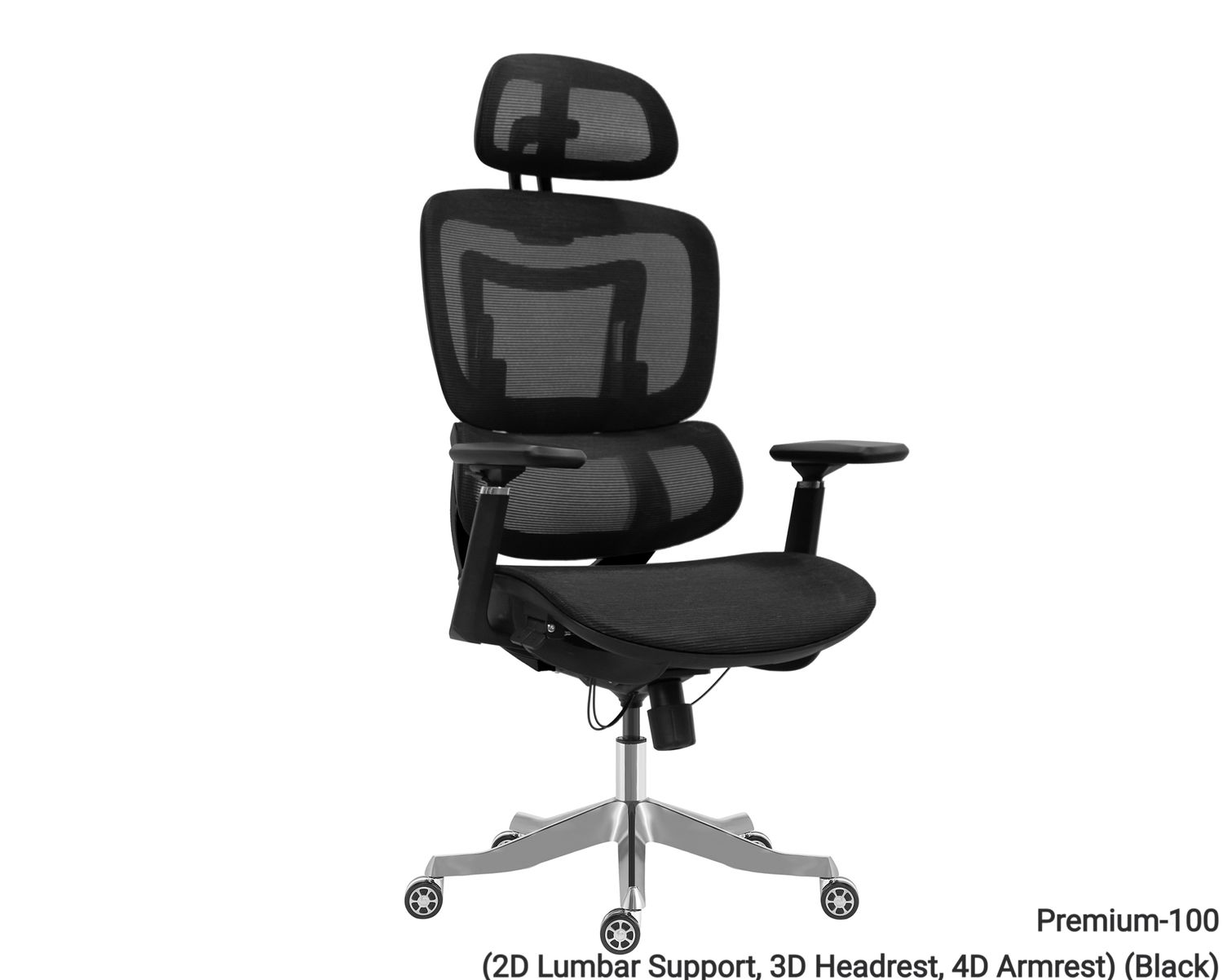
The Unsung Hero of Ergonomics: Understanding Seat Depth
So, what exactly is seat depth? Put simply, it’s the length of the seat pan, from the front edge to the backrest. A seat depth adjustment feature allows you to slide the seat pan forward or backward, independent of the backrest.
Think of it like finding the perfect pair of shoes. If they’re too short, your toes are cramped. If they’re too long, your heel slips out, and you have no support. The same principle applies to your chair. The goal is to have the seat support the majority of your thighs without pressing against the back of your knees. This small adjustment has a massive ripple effect on your entire posture and well-being.
Why Should You Care? The Real-World Benefits
It might seem like a minor detail, but getting your seat depth right is a game-changer. Proper adjustment directly impacts your health, comfort, and even your focus. Here’s why it’s so critical:
- Ensures Proper Back Support: This is the big one. If your seat is too deep, you’re forced to either slouch forward to keep your feet on the floor or sit without your back making contact with the lumbar support. This gap between your lower back and the chair is a recipe for back pain. Adjusting the seat depth allows you to sit all the way back, ensuring your spine is fully supported by the chair’s backrest.
- Improves Blood Circulation: When the front edge of the seat pan presses into the back of your knees, it can compress the popliteal artery. This restricts blood flow to your lower legs and feet, leading to that “pins and needles” sensation, numbness, or even swelling over time.
- Reduces Pressure and Fatigue: A correctly adjusted seat distributes your body weight evenly across the seat pan. If the seat is too shallow, too much pressure is concentrated on a small area of your thighs and your ischial tuberosities (your “sit bones”), leading to discomfort and fatigue.
- Accommodates Everyone: In a world where one size rarely fits all, seat depth adjustment is the great equalizer. It allows both a 6’4″ basketball player and a 5’2″ artist to use the same chair comfortably and ergonomically. It’s an essential feature for shared workspaces or households.
How to Know If Your Seat Depth Is Wrong
Not sure if your current setup is helping or hurting you? Your body is probably already sending you signals. Listen to it.
Your seat depth might be too deep if:
- You can’t sit with your back fully against the backrest while keeping your feet flat on the floor.
- The edge of the seat is constantly pressing into the back of your calves.
- You find yourself automatically slouching forward to relieve pressure behind your knees.
- Your legs feel like they’re falling asleep after sitting for a while.
Your seat depth might be too shallow if:
- You feel like you’re perched on the very edge of the chair, with no support under your thighs.
- There’s a large, noticeable gap between the edge of the seat and the back of your knees.
- You feel excess pressure on your “sit bones” because your weight isn’t properly distributed.
A Step-by-Step Guide: What is Seat Depth Adjustment For and How to Use It
Alright, let’s get practical. You’ve identified the need, now it’s time for the solution. Adjusting your seat depth is simple once you know the golden rule. Here’s how to do it right:
- Sit Down Properly: First, sit in your chair and slide your hips as far back as they can go, so your back is pressed firmly against the backrest. Make sure your feet are flat on the floor.
- Check the Gap (The Three-Finger Rule): This is the key. Make a fist and then extend your first three fingers (index, middle, and ring). You should be able to slide these three fingers between the front edge of your seat and the back of your knees.
- If you can’t fit three fingers: Your seat is too deep. You need to slide the seat pan backward.
- If there’s more than a three-finger gap: Your seat is too shallow. You need to slide the seat pan forward.
- Locate the Control: Look for a lever or knob, usually on the side of the seat pan. On some chairs, you might need to lift a lever and use your body weight to slide the seat. On others, you might simply pull a trigger or turn a knob. Consult your chair’s manual if you’re unsure.
- Adjust and Re-Test: Engage the control and slide the seat forward or backward until you achieve that perfect three-finger gap. Release the control to lock it in place.
- Do a Final Check: Sit back again, wiggle around, and make sure everything feels right. Your thighs should feel supported, your back should be in contact with the lumbar curve, and there should be no pressure behind your knees.
“Many people invest in a great ergonomic chair but only use 50% of its features,” notes Dr. Emily Carter, a renowned physical therapist. “The seat depth adjustment is foundational. Getting it right is the first step in aligning your entire spine and preventing the micro-trauma that leads to chronic back issues. The ‘three-finger rule’ isn’t just a guideline; it’s your best defense against poor posture.”
Is Seat Depth Adjustment a Must-Have Feature?
After everything we’ve covered, the answer is a resounding yes for the vast majority of people. While someone of perfectly average height and proportions might get lucky with a fixed-depth chair, it’s a gamble. Investing in a chair with this feature is investing in personalized comfort and long-term health.
Bảng trống.Let’s break down the difference in a simple table.
| Feature | Standard Office Chair | Ergonomic Chair with Seat Depth Adjustment |
|---|---|---|
| Back Support | Inconsistent; often creates a gap | Full contact with the lumbar region |
| Leg Comfort | Risk of pressure on knees/thighs | Even weight distribution, no pressure points |
| Posture | Encourages slouching or perching | Promotes a natural and supported S-curve |
| User Adaptability | One-size-fits-all (poorly) | Tailored fit for tall, short, and average users |
Common Mistakes to Avoid
Even with the best intentions, it’s easy to get it wrong. Here are a couple of common pitfalls to watch out for:
- The “Set It and Forget It” Mindset: Your body’s needs can change. Sometimes different footwear (like heels vs. flats) can slightly alter your posture. It’s good practice to check your adjustments every few weeks.
- Ignoring Other Adjustments: Seat depth is crucial, but it works as part of a system. Make sure your chair height, armrests, and proper lumbar support are also correctly configured to create a truly ergonomic setup.
- Compromising for Price: When shopping, it can be tempting to choose a cheaper model that lacks seat depth adjustment. In the long run, the money you save on the chair may be spent on physical therapy or pain relief.
Frequently Asked Questions (FAQ)
Q1: How much seat depth do I really need?
A1: The ideal seat depth allows you to sit all the way back against the backrest while leaving a space of about two to three fingers’ width between the edge of the seat and the back of your knees. This prevents pressure on your nerves and blood vessels.
Q2: Can I add a seat depth adjustment feature to my current chair?
A2: Unfortunately, no. Seat depth adjustment is a mechanism built into the chair’s base and frame. If your current chair lacks this feature, the only solution is to upgrade to a model that includes it.
Q3: Are all seat depth adjustments the same?
A3: No. Different chairs use different mechanisms, such as levers, knobs, or sliding triggers. High-end chairs often have a wider range of adjustment (e.g., 3-4 inches) compared to entry-level models. Always check the adjustment range before buying.
Q4: Does seat depth adjustment help with lower back pain?
A4: Absolutely. It’s one of the most effective features for combating lower back pain. By allowing you to sit with your back fully against the chair’s lumbar support, it maintains the natural curve of your spine and prevents the slouching that strains back muscles.
Q5: I’m very tall. Is seat depth extra important for me?
A5: Yes, extremely important. Tall individuals often find that standard chairs are too shallow, leaving a large portion of their thighs unsupported. A chair with an extended seat depth range is essential for proper weight distribution and comfort for taller users.
Conclusion: Your Foundation for a Healthier Workday
So, what is seat depth adjustment for? It’s for you. It’s for your comfort, your health, and your productivity. It’s the feature that transforms a generic piece of furniture into a personalized tool for well-being. By ensuring your thighs are supported, your circulation is unimpeded, and your back is in full contact with its support system, you are laying the foundation for a pain-free workday. Don’t underestimate the power of this simple adjustment. Take a moment today to check your own chair—your back and legs will thank you for it.