You’re in the middle of a productive workflow, typing away, when you feel it. That slow, sad descent. Your office chair, once a trusty throne of productivity, is betraying you, sinking inch by inch. Finding a reliable Office Chair Keeps Sinking Fix is more than just an annoyance—it’s about reclaiming your focus and, more importantly, protecting your posture. Before you drag that chair to the curb, let’s walk through some simple, effective ways to solve this problem for good.
You’re not just losing height; you’re losing the ergonomic support that keeps you comfortable and pain-free during your long workday. Let’s get you back up to the right level.
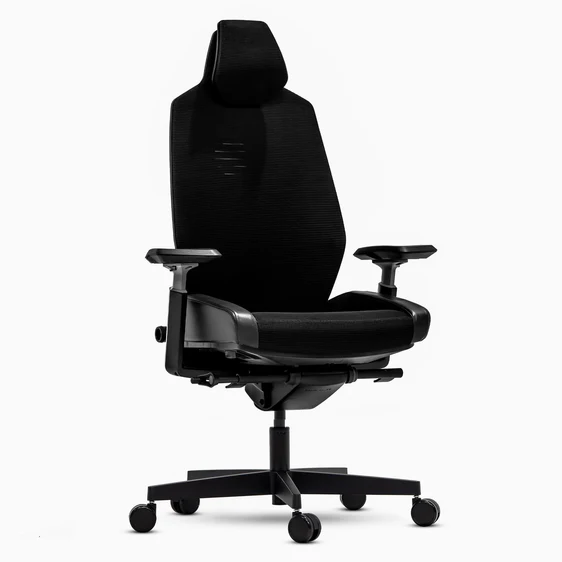
Why Does My Office Chair Keep Sinking?
First, let’s get to the bottom of this sinking feeling. The culprit is almost always a faulty pneumatic gas cylinder. Think of this cylinder as the heart of your chair’s height adjustment system. It’s filled with pressurized nitrogen gas, and when you pull the lever, a valve opens, allowing your weight to compress the gas (lowering the chair) or allowing the gas to expand (raising the chair).
Over time, the seals inside this cylinder can wear out, allowing the gas to leak slowly. When this happens, the cylinder can no longer hold the pressure required to support your weight, and voilà—you start sinking. It’s a common issue, especially with chairs that have seen a few years of service.
Quick and Easy: Temporary Fixes to Get You Through the Day
Sometimes you just need a fast solution to stop the sinking and get back to work. These DIY methods are surprisingly effective as a stopgap measure.
The Hose Clamp Method (The DIY Lifesaver)
This is the most popular and straightforward office chair keeps sinking fix. It’s cheap, effective, and requires a quick trip to the hardware store.
- Raise the Chair: Adjust your chair to your preferred, comfortable height. You won’t be able to adjust it easily after this, so get it just right.
- Expose the Cylinder: Slide the plastic shroud (the telescoping cover) off the metal gas cylinder to expose the shiny piston.
- Attach the Clamp: Open a hose clamp (a 3/4 inch or 2 cm size usually works well) and wrap it tightly around the very top of the metal cylinder piston.
- Tighten It Up: Use a screwdriver to tighten the clamp as much as possible. The goal is to create a physical barrier that stops the chair from sliding down past that point. For extra security, you can even add a layer of duct tape around the cylinder first to give the clamp more grip.
This method essentially creates a new “floor” for your chair’s seat, preventing it from sinking.
The PVC Pipe Method (A Sturdier Stopgap)
If you want something a bit more robust, a piece of PVC pipe can serve as a permanent-height solution.
- Measure the Cylinder: With your chair at the desired height, measure the diameter and the exposed length of the metal cylinder piston.
- Cut the Pipe: Purchase a PVC pipe with a slightly larger internal diameter. Cut it to the length you measured. It’s crucial to cut the pipe down one side lengthwise so you can snap it onto the cylinder.
- Install the Pipe: Carefully pry the cut pipe open and snap it around the exposed cylinder. It will now act as a solid spacer, holding the chair’s seat firmly in place.
The Permanent Solution: How to Replace the Gas Cylinder
While the quick fixes work, they turn your adjustable chair into a fixed-height one. If you want to restore full functionality, replacing the gas cylinder is the best long-term solution. It might sound daunting, but it’s a manageable task.
- Get a Replacement: Measure your old cylinder’s dimensions (extended length, compressed length, and diameter) and order a universal replacement cylinder online.
- Lay the Chair Down: Place your chair on its side on the floor to make it easier to work on.
- Remove the Base: The most challenging part is separating the wheel base from the cylinder. It’s a pressure-fit connection. You’ll likely need a rubber mallet or a hammer and a block of wood. Firmly tap around the area where the cylinder meets the base until it pops off. Don’t be shy; it can take some force.
- Remove the Old Cylinder: Now, you need to detach the cylinder from the seat mechanism. Turn the chair upside down. Use a pipe wrench to grip the top of the cylinder and twist and pull it out. Some firm taps with the mallet around the mechanism can also help loosen it.
- Install the New Cylinder: This is the easy part. Simply drop the new cylinder into the hole in the wheel base. Then, place the seat mechanism on top of the new cylinder.
- Secure It: Sit down on the chair a few times with some force. Your weight will create the pressure fit and lock everything into place.
You now have a fully functional, height-adjustable chair again!
“A sinking chair isn’t just an inconvenience; it’s a direct threat to proper posture. When your chair height is wrong, it forces your spine, neck, and shoulders into unnatural positions, leading to chronic pain and fatigue over time.” – Dr. Emily Carter, a renowned physical therapist
When a Fix Isn’t Enough: Is It Time for an Ergonomic Upgrade?
Fixing your sinking chair is a great start, but it often brings up a bigger question: is this chair even good for me in the first place? If your chair is old enough for the cylinder to fail, it might also be lacking the critical support your body needs. This is where a true ergonomic chair makes all the difference.
So, What Exactly Is an Ergonomic Chair?
An ergonomic chair is a chair designed to support the human body in a healthy, neutral posture. It goes beyond a simple seat and backrest, offering a suite of adjustments that allow you to customize the fit perfectly for your unique body shape and size. It’s an investment in your health and productivity.
Key Features Your Back Will Thank You For
A quality ergonomic chair isn’t just about not sinking. It’s about proactive support. Look for these essential features:
- Adjustable Lumbar Support: This is non-negotiable. Proper lower back support helps maintain the natural curve of your spine, preventing slouching and reducing strain.
- Seat Height & Depth Adjustment: Allows you to keep your feet flat on the floor with your knees at a 90-degree angle, and ensures proper space between the back of your knees and the seat edge.
- Adjustable Armrests (4D is best): Your armrests should be positioned to let your shoulders relax. 4D armrests adjust up/down, forward/back, side-to-side, and can pivot.
- Backrest Recline & Tilt Lock: The ability to recline helps shift your weight and relieve pressure on your spinal discs.
- Quality Materials: Breathable mesh or high-quality foam provides comfort and durability for long hours of sitting.
How to Properly Set Up Your Ergonomic Chair
Getting a great chair is only half the battle. Setting it up correctly is key.
- Set Your Height: Start by adjusting the seat height so your feet are flat on the floor and your thighs are parallel to it.
- Adjust Seat Depth: Sit back fully. You should be able to fit two or three fingers between the back of your knees and the edge of the seat.
- Dial in Lumbar Support: Adjust the lumbar support so it fits snugly into the natural curve of your lower back.
- Position Armrests: Lower or raise the armrests until your elbows form a 90-degree angle when your hands are on your desk. Your shoulders should be relaxed, not hunched.
- Set the Recline: Find a comfortable recline tension that supports you but still allows you to move.
Ergonomic Chairs vs. Standard Office Chairs: A Quick Comparison
| Feature | Standard Office Chair | Ergonomic Chair |
|---|---|---|
| Adjustability | Limited (usually only height) | Highly Customizable (height, depth, arms, back) |
| Back Support | Minimal or fixed | Dynamic, adjustable lumbar support |
| Posture | Often encourages slouching | Promotes a healthy, neutral spine posture |
| Comfort | Short-term comfort, long-term pain | Designed for all-day comfort and support |
| Cost | Lower initial cost | Higher investment, long-term health savings |
Frequently Asked Questions
How long should an office chair gas cylinder last?
A good quality gas cylinder should last for several years, typically between 5 to 10 years, depending on usage and the user’s weight. Cheaper chairs often use lower-quality cylinders that may fail sooner.
Is it safe to use a sinking office chair?
While not immediately dangerous, using a sinking chair is bad for your health. An incorrect seat height leads to poor posture, which can cause back pain, neck strain, and other musculoskeletal issues over time.
Are expensive ergonomic chairs really worth it?
Yes. Think of it as an investment in your health and productivity. A high-quality ergonomic chair prevents costly health problems down the line and keeps you comfortable and focused, directly impacting your work performance.
Can I fix a sinking chair without any tools?
The hose clamp method is the closest you can get, but you will still need a screwdriver to tighten the clamp. There are no reliable, tool-free methods to permanently stop a chair from sinking.
What is the most important feature in an ergonomic chair?
While all adjustments are important, the most critical feature is arguably the adjustable lumbar support. Proper support for your lower back is the foundation of a healthy sitting posture.
Your Health is Worth More Than a Sinking Chair
You now have a complete toolkit for your office chair keeps sinking fix. Whether you choose a quick DIY solution or a full cylinder replacement, you’ve taken a step toward a more comfortable workday.
However, use this moment as an opportunity to evaluate your seating. If your chair is constantly failing, it’s a sign that it may no longer be serving you. Investing in a true ergonomic chair is one of the single best things you can do for your long-term health, comfort, and focus. Stop the slow descent—both for your chair and your well-being.