If you’ve spent any time hunting for a high-end ergonomic chair, you’ve undoubtedly come across the name Steelcase. For years, I’d heard whispers about a chair that moves like you do, a chair designed not for a static posture, but for the countless ways we sit and work today. That’s why I knew I had to write an in-depth Steelcase Gesture Review. Let’s be honest, spending hours a day chained to a desk is the new normal, and that nagging back pain and shoulder stiffness are the unwelcome side effects. Is the Steelcase Gesture the miracle cure it’s made out to be, or just an overhyped piece of office furniture? Let’s dive in and find out.
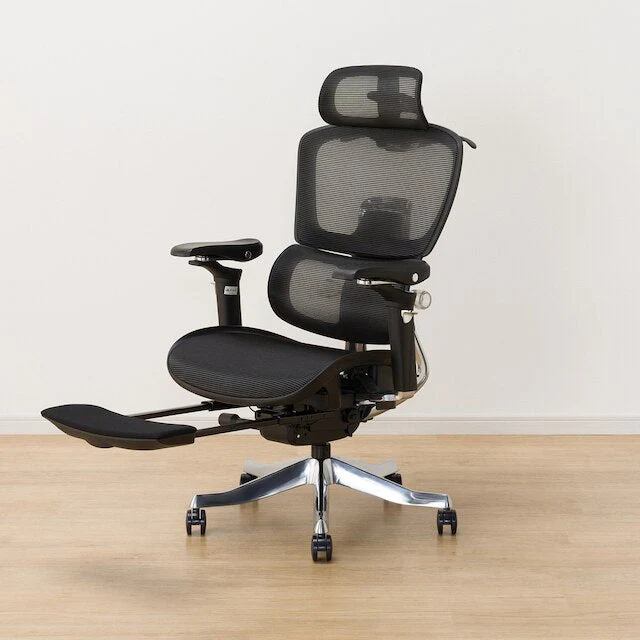
Why the Buzz Around the Steelcase Gesture?
First off, what sets the Steelcase Gesture apart from the sea of other office chairs? The answer lies in its design philosophy. Steelcase conducted a global study observing over 2,000 people in various postures to understand how modern technology has changed the way we sit. The result was the Gesture, a chair built to support the human body’s natural movement and the wide range of positions we adopt when using smartphones, tablets, and laptops.
It’s not just about sitting upright; it’s about supporting you when you’re leaning back to text, hunching forward to focus, or swiping on a tablet. This chair was engineered from the ground up to be a partner in your workday, not just a place to park yourself.
“A truly ergonomic chair doesn’t force you into a single ‘correct’ posture; it fluidly supports the dynamic postures your body naturally adopts throughout the day. The goal is to reduce static load on the spine,” notes Dr. Emily Carter, a renowned physical therapist and ergonomics consultant.
This core principle is what makes the Gesture a compelling option for anyone serious about their long-term health and productivity.
A Deep Dive Into the Steelcase Gesture’s Core Features
Talk is cheap, so let’s break down the actual mechanics that make this chair a top contender. In this part of the steelcase gesture review, we’ll look at the specific features that contribute to its legendary comfort and adaptability.
The 3D LiveBack Technology: Your Spine’s Best Friend
The backrest is where the magic really begins. Steelcase’s 3D LiveBack technology is designed to mimic the natural movement of the human spine. Instead of a rigid back, the Gesture’s backrest flexes and twists with you. When you lean to one side to grab your phone, the chair’s back moves with you, maintaining constant support.
- Automatic Lumbar Adjustment: It intuitively adjusts to your spine’s unique curve, providing support without you needing to fiddle with a separate lumbar slider.
- Torsional Flex: The upper part of the backrest can twist, which is fantastic for people who are constantly turning to speak to colleagues or reach for things on their desk.
- Reduces Strain: By moving with your body, it minimizes the strain on your back muscles, which is a major cause of end-of-day fatigue and pain.
Unmatched Armrest Adjustability: The 360-Degree Arms
If there’s one feature that everyone raves about, it’s the Gesture’s armrests. Calling them “adjustable” is a massive understatement. They move like a human arm, with a full 360-degree range of motion.
You can adjust them for:
- Height: To support your elbows at a perfect 90-degree angle.
- Width: Pull them in for focused typing or push them out for more space.
- Depth: Slide them forward or backward.
- Pivot: Angle them inward for smartphone use or outward to support you when reclining.
This level of customization is a game-changer. It means your arms are supported no matter what device you’re using, which dramatically reduces strain on your shoulders and neck. For anyone who uses a phone or tablet extensively at their desk, this feature alone is almost worth the price of admission.
Seat Depth and Height: Finding Your Perfect Fit
The Gesture’s seat is just as thoughtful. It features a flexible perimeter, meaning the edges are softer and give way when you shift your weight or sit in unconventional positions. This prevents pressure points on the back of your thighs. The seat depth and height are easily adjustable with intuitive controls, ensuring you can achieve the ideal posture: feet flat on the floor and a small gap between the back of your knees and the seat edge.
My Personal Experience: A Long-Term Steelcase Gesture Review
I’ve been using the Steelcase Gesture in my home office for over a year now, and it has fundamentally changed my workday. Before, I was a chronic fidgeter, constantly shifting in my old chair to find a comfortable position and ending most days with a dull ache in my lower back.
The setup was incredibly simple; the chair came almost fully assembled. The first few days were an adjustment period. My body was so used to being poorly supported that the active, dynamic support of the Gesture felt… different. But within a week, I noticed a profound change.
- The “Aha” Moment: My “aha” moment came during a long video call where I was leaning back, phone in hand. I looked down and realized the armrests were perfectly angled to support my elbows, and the backrest was cradling my spine. I wasn’t straining a single muscle.
- Productivity Boost: I can now sit for longer periods of focused work without the distracting discomfort I used to experience. My focus has improved because my body is no longer fighting my chair.
- Durability: After a year of daily use, the chair looks and feels brand new. The fabric is resilient, and the mechanisms are as smooth and silent as they were on day one. It’s an investment, but it’s one built to last. For a comprehensive look at how to maintain your ergonomic setup, check out our guide on [how to properly adjust your ergonomic chair].
Who is the Steelcase Gesture For? (And Who Should Pass?)
No chair is perfect for everyone. Let’s be realistic about who will get the most value from this premium piece of equipment.
The Ideal User
The Steelcase Gesture is a dream come true for:
- Tech-Heavy Professionals: If you’re constantly switching between a laptop, monitor, tablet, and smartphone, the armrests are a lifesaver.
- People with Back Pain: The dynamic 3D LiveBack support provides relief and encourages healthy movement, making it one of the best [office chairs for back pain relief].
- Anyone Working Long Hours: If you spend more than 4-5 hours a day at your desk, the investment in proper support will pay for itself in comfort and health.
- Aesthetically-Minded Individuals: It’s a beautifully designed chair that looks great in any modern office or home setup.
Potential Drawbacks to Consider
However, you might want to look elsewhere if:
- You’re on a Tight Budget: Let’s face it, the Gesture is a significant investment. There are more budget-friendly ergonomic options available, though they may not offer the same level of adjustability.
- You Prefer a Mesh Chair: The Gesture uses high-quality foam and fabric. If you tend to run hot and absolutely need the breathability of a mesh back, you might consider something like the Herman Miller Aeron.
- You Need an Executive-Style Headrest: While a headrest is available as an add-on, it’s designed to support a reclining posture rather than provide constant head support in an upright position.
Steelcase Gesture vs. The Competition
How does the Gesture stack up against other titans of the ergonomic world? Here’s a quick comparison.
| Feature | Steelcase Gesture | Herman Miller Aeron | Herman Miller Embody |
|---|---|---|---|
| Back Support | Dynamic 3D LiveBack | Zoned Pellicle Mesh | Pixelated Back & Spine |
| Armrests | 360-degree, highly intuitive | Height, depth, pivot | Height and width |
| Key Advantage | Unmatched arm adjustability | Iconic design, breathability | Uniquely dynamic back support |
| Best For | Multi-device users, versatility | Traditional desk work, hot climates | Promoting micro-movements |
Frequently Asked Questions
Is the Steelcase Gesture good for back pain?
Absolutely. Its 3D LiveBack technology is specifically designed to move with your spine and provide continuous support, which can significantly alleviate and prevent lower and upper back pain caused by static sitting.
How long does the Steelcase Gesture last?
The Steelcase Gesture is built like a tank and comes with a 12-year warranty from Steelcase. With its high-quality materials and robust construction, it’s designed to last for well over a decade of daily use.
Is the headrest on the Steelcase Gesture worth it?
This depends on your work style. If you frequently recline to think, take calls, or relax, the headrest provides excellent neck support. If you primarily work in an upright, focused posture, you may not need it.
Is the Steelcase Gesture better than the Herman Miller Aeron?
“Better” is subjective. The Gesture excels in its armrest adjustability and its support for a wide range of modern postures. The Aeron is iconic for its breathable mesh and zoned back support, which some people prefer. The choice often comes down to personal preference and work habits.
The Final Verdict on This Steelcase Gesture Review
So, after all is said and done, is the Steelcase Gesture worth the hefty price tag? My answer is a resounding yes. This isn’t just a chair; it’s a tool for better health, improved focus, and greater productivity. It’s an investment in your well-being that pays dividends every single day you sit in it. By adapting to your body instead of forcing your body to adapt to it, the Gesture sets a new standard for what an office chair can be. If you’re serious about creating a healthy and comfortable workspace, this steelcase gesture review should make it clear that this chair deserves to be at the very top of your list.