Ever felt that sharp, nagging ache at the base of your spine after a few hours of sitting? You shift, you squirm, you try perching on the edge of your seat, but the discomfort just lingers. You’re not alone. This is tailbone pain, or coccydynia, and it can turn your workday into a miserable endurance test. Finding the Best Chair For Tailbone Pain isn’t just about comfort; it’s about reclaiming your focus, productivity, and overall well-being. It’s about finally being able to sit down without a sense of dread.
For years, I saw people accept this pain as a normal part of office life. They’d buy donut cushions or simply suffer in silence, not realizing that the root of the problem was the very thing they spent eight hours a day in: their chair. The right ergonomic chair doesn’t just accommodate your pain; it actively works to alleviate it by redistributing pressure and promoting a healthy posture. Let’s dive into how you can find the perfect seating solution and say goodbye to that pain in the… well, you know.
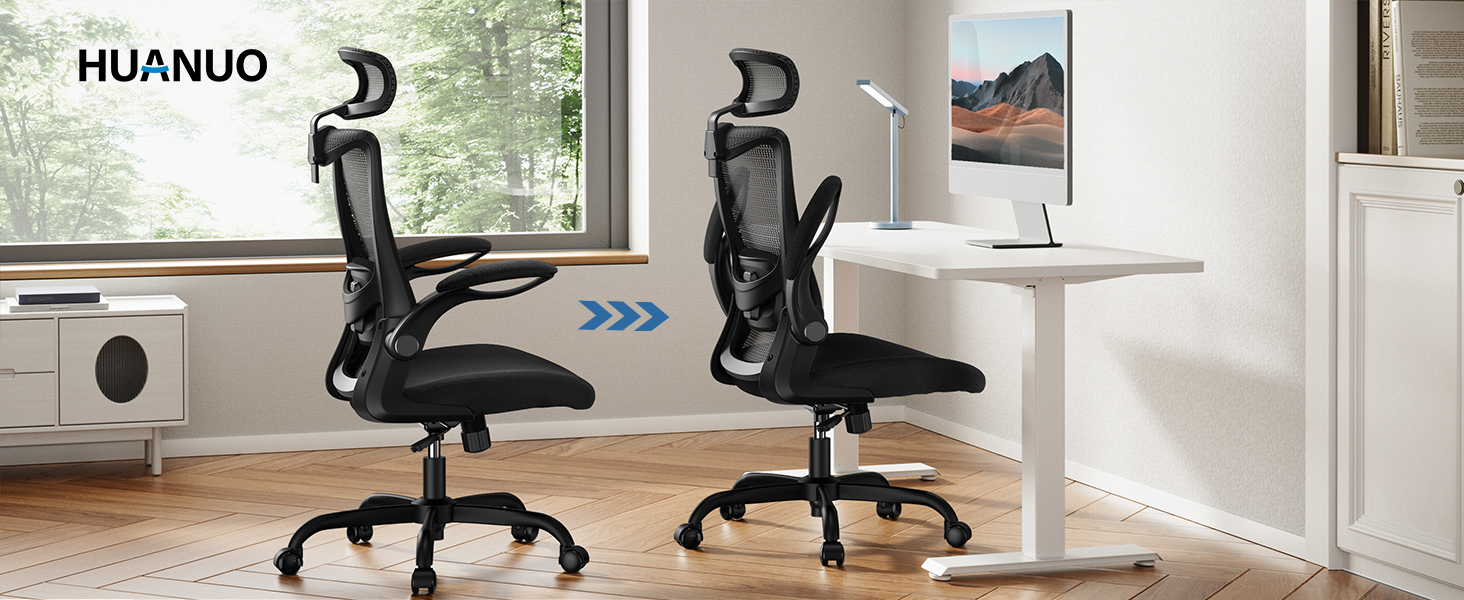
Why Your Standard Office Chair Is Your Tailbone’s Worst Enemy
Most of us don’t think twice about the chairs we use. If it has four legs and a back, it’s good enough, right? Wrong. A typical office chair often forces your pelvis to tilt backward, putting direct and sustained pressure right on your coccyx. Imagine a small, sensitive bone bearing a significant portion of your upper body weight, all day long. It’s a recipe for inflammation and chronic pain.
An ergonomic chair, on the other hand, is designed with the body’s natural mechanics in mind. It’s not just a piece of furniture; it’s a tool for better health.
“Proper ergonomic seating is foundational for spinal health. For individuals with coccydynia, a chair must do more than support the back; it must actively offload pressure from the coccyx. This is achieved through specific design features that encourage a neutral pelvic position and distribute weight to the ischial tuberosities, or sit bones, as intended.” – Dr. Emily Carter, a renowned physical therapist.
Switching to an ergonomic chair designed for this specific issue can lead to a dramatic improvement in your daily life. It’s not just about less pain; it’s about more energy, better focus, and the freedom to sit comfortably through meetings, projects, and even your favorite movie at the end of the day.
What Features Define the Best Chair for Tailbone Pain?
When you’re on the hunt for the best chair for tailbone pain, not all ergonomic chairs are created equal. You need to look for specific features that directly address pressure on the coccyx. Think of it as building the perfect defense system for your lower spine.
Here are the non-negotiable features to look for:
- Coccyx Cutout or Relief Zone: This is the single most important feature. It’s a U-shaped or wedge-shaped gap at the back of the seat cushion. This simple design element ensures your tailbone is literally suspended in air, completely free from contact and pressure.
- Contoured, High-Density Foam Seat: A flat, hard seat is a nightmare for tailbone pain. You need a cushion that is both supportive and pressure-relieving. Look for high-density memory foam or molded foam that contours to your body, distributing your weight evenly across your thighs and sit bones, not your coccyx.
- Waterfall Seat Edge: A seat with a rounded, downward-sloping front edge (a “waterfall” edge) reduces pressure on the back of your thighs and knees. This improves blood circulation and helps you maintain a stable, healthy posture without sliding forward, which would re-engage the tailbone.
- Adjustable Seat Depth: This allows you to slide the seat forward or backward. The goal is to have about two to three fingers of space between the edge of the seat and the back of your knees. Proper depth ensures your weight is supported by the chair, not your spine.
- Adjustable Seat Tilt and Angle: The ability to tilt your seat slightly forward can be a game-changer. A forward tilt encourages an “open” hip angle and helps your pelvis rotate forward, naturally arching your lower back and lifting pressure off the coccyx.
- Robust Lumbar Support: A healthy lower back curve is crucial for a healthy pelvis and tailbone. The lumbar support should be adjustable in height and depth to fit perfectly into the small of your back, preventing you from slumping and shifting pressure backward onto your tailbone.
Ergonomic vs. Standard Chair: A Clear Winner for Coccyx Relief
Let’s break down the differences in a simple table.
| Feature | Standard Office Chair | Best Chair for Tailbone Pain |
|---|---|---|
| Seat Design | Flat, minimal cushioning | Coccyx cutout, contoured foam |
| Pressure Point | Directly on the tailbone/coccyx | On the sit bones and thighs |
| Adjustability | Basic height adjustment | Full suite: seat depth, tilt, lumbar, armrests |
| Postural Support | Encourages slouching | Promotes a neutral, healthy spine |
| Long-Term Outcome | Can cause or worsen pain | Actively relieves and prevents pain |
How Do I Set Up My Chair for Maximum Tailbone Relief?
Buying the right chair is only half the battle. Setting it up correctly is what truly unlocks its pain-relieving potential. It might take a few minutes of tinkering, but your body will thank you for it.
Follow these steps to dial in your perfect fit:
- Adjust Seat Height: Sit down and adjust the chair height so your feet are flat on the floor and your knees are at a 90-degree angle, roughly level with or slightly below your hips.
- Set the Seat Depth: Slide the seat pan forward or back. As mentioned, you want a small gap (about two to three fingers wide) between the front edge of the seat and the back of your knees. This is crucial for weight distribution.
- Position the Lumbar Support: Adjust the backrest’s lumbar support so it fits snugly into the natural curve of your lower back. It shouldn’t push you forward or feel like a hard lump. It should feel like a gentle, supportive hand.
- Fine-Tune the Seat Tilt: If your chair has this feature, experiment with a slight forward tilt (around 5 degrees). This can immediately shift your weight off your tailbone and onto your thighs.
- Adjust the Armrests: Position the armrests so your shoulders are relaxed and your elbows are bent at a comfortable 90-degree angle when your hands are on your desk. This prevents you from hunching and straining your upper body.
- Do a Final Check: Sit back, relax, and take a deep breath. Does anything feel “off”? Your weight should feel evenly distributed, with zero pressure on your tailbone. Make small adjustments until it feels just right.
Common Mistakes to Avoid When Choosing Your Chair
Navigating the world of ergonomic furniture can be tricky. Here are a few common pitfalls to steer clear of in your search for the best chair for tailbone pain.
- Ignoring the Seat Cushion: Don’t be swayed by a sleek design if the cushion is rock-hard or too soft. A cushion that “bottoms out” is just as bad as a hard surface. High-density foam is key.
- Forgetting About Adjustability: A chair that looks great but lacks key adjustments (like seat depth or tilt) won’t adapt to your unique body. More adjustability is always better.
- Buying Based on Price Alone: While budget is a factor, think of this as an investment in your health. A cheaper chair that doesn’t solve your pain is a waste of money. The best chair for tailbone pain is the one that actually works.
- Not Considering Your Body Size: Pay attention to the chair’s weight capacity and dimensions. A chair designed for a smaller frame won’t provide adequate support for a larger individual, and vice versa.
Buyer’s Checklist for Tailbone Pain Relief
Take this checklist with you when you’re shopping:
- [ ] Does the seat have a dedicated coccyx cutout or channel?
- [ ] Is the seat cushion made of high-density memory foam?
- [ ] Does the seat have a waterfall edge?
- [ ] Can I adjust the seat depth?
- [ ] Can I adjust the seat tilt/angle?
- [ ] Is the lumbar support adjustable (height and depth)?
- [ ] Are the armrests fully adjustable (4D is ideal)?
- [ ] Does the chair’s size and weight capacity fit my body?
Frequently Asked Questions (FAQ)
What is the best type of seat cushion for tailbone pain?
The best type of seat cushion is made from high-density memory foam or a supportive gel/foam hybrid. Most importantly, it should feature a coccyx cutout—a U-shaped gap at the back—to completely eliminate pressure on the tailbone.
Can a gaming chair be a good chair for tailbone pain?
Some high-end ergonomic gaming chairs can be good options, as they often have robust adjustability and contoured seats. However, you must ensure it has the key features, especially a coccyx relief design and a supportive, not overly soft, cushion.
How long does it take to feel relief after switching chairs?
Many people feel immediate relief from direct pressure the moment they sit in a properly designed chair. However, it may take a few days or weeks for the inflammation and lingering pain in the coccyx area to fully subside.
Is sitting on a donut pillow a good long-term solution?
While a donut pillow can provide temporary relief, it’s not an ideal long-term solution. These pillows can sometimes shift pressure to other sensitive areas and don’t address the root cause of poor posture, which a fully ergonomic chair does.
Why does my tailbone hurt more when I lean back?
Leaning back in a standard chair without proper lumbar support causes your pelvis to tilt backward, placing your body weight directly onto the coccyx. A good ergonomic chair supports your lumbar spine, maintaining a healthy curve and keeping pressure off your tailbone even when reclining.
Your Health is Worth the Investment
Living with tailbone pain can be incredibly draining, affecting everything from your work performance to your mood. But it doesn’t have to be your reality. By understanding what causes the pressure and what features alleviate it, you can make an informed decision.
Investing in the best chair for tailbone pain is more than just a purchase; it’s a commitment to your daily health and comfort. It’s about giving your body the support it needs to function at its best, free from the constant distraction of pain. Prioritize your well-being, listen to your body, and take the first step toward a more comfortable, productive, and pain-free day.