So, you’ve embraced the standing desk revolution. Fantastic! You’re doing wonders for your posture, circulation, and overall energy levels. But let’s be honest, nobody stands for eight hours straight. There are moments you need to sit, focus, and grind. The problem? Your standard office chair is now comically low. That’s where finding the best drafting chair for a standing desk becomes not just a luxury, but an absolute necessity for a truly ergonomic workspace.
You know the feeling—awkwardly perching on a low chair, craning your neck to see your monitor, or constantly lowering and raising your desk, which defeats the whole purpose. This guide is your ticket out of that ergonomic limbo. We’re going to dive deep into what makes a drafting chair the perfect partner for your sit-stand setup, ensuring you can transition seamlessly from standing to sitting without sacrificing an ounce of comfort or spinal support.
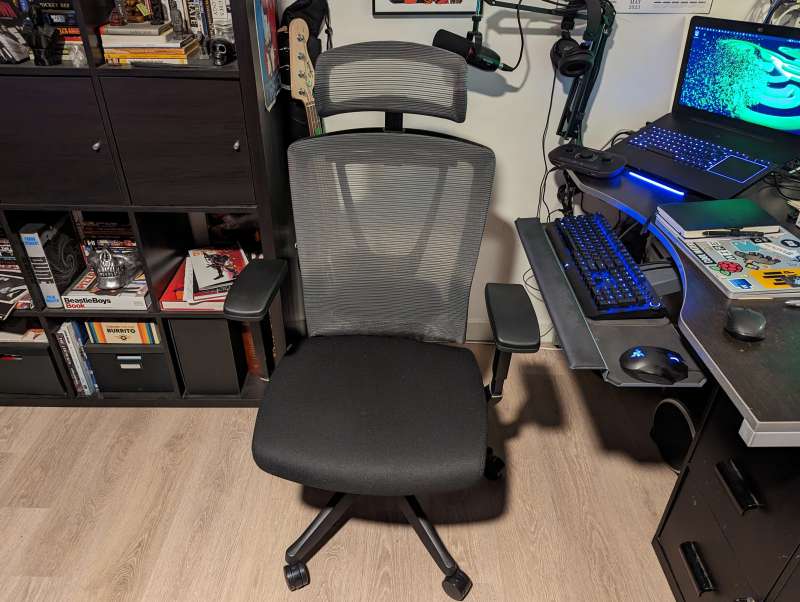
What Is a Drafting Chair and Why Do You Need One?
A drafting chair, at its core, is a taller version of a standard office chair, originally designed for architects and artists working at high drafting tables. Today, its design is perfectly suited for modern sit-stand workstations. Think of it as the missing link that completes your ergonomic ecosystem.
It’s more than just a stool with a back. A true ergonomic drafting chair provides the same critical support features as a high-end office chair—lumbar support, adjustability, and comfortable materials—but with an extended height range. Its most defining feature, however, is the adjustable foot ring, which is crucial for maintaining proper posture when your feet can’t comfortably reach the floor. Without one, you’re just dangling, which puts a ton of strain on your lower back and legs.
The Game-Changing Benefits of the Right Drafting Chair
Investing in a high-quality drafting chair isn’t just about reaching your desk. It’s an investment in your health and productivity. When you find the right fit, you unlock a new level of comfort and efficiency that a standard chair simply can’t offer in a standing desk setup.
- Seamless Transitions: Effortlessly switch between sitting and standing without constantly adjusting your desk height. This encourages more movement and “active sitting” throughout the day.
- Maintained Ergonomic Posture: A good drafting chair ensures your arms remain at a comfortable 90-degree angle to your desk, your eyes are level with your monitor, and your back is supported, whether you’re sitting or standing.
- Reduced Physical Strain: The adjustable footrest provides a stable base, preventing leg fatigue and poor circulation that comes from dangling feet. Proper back support alleviates the pressure on your spine that leads to chronic pain.
- Increased Focus and Productivity: When your body is comfortable and properly supported, your mind is free to concentrate on the task at hand. You’re not constantly fidgeting or shifting to find a less painful position.
Must-Have Features of the Best Drafting Chair for Standing Desk
Navigating the market for a best drafting chair for a standing desk can be tricky. Not all tall chairs are created equal. To ensure you’re getting a chair that will truly support you, keep an eye out for these non-negotiable features.
Superior Height Adjustment Range
This is the most critical feature. Before you buy, measure your desk height at its standing position. You need a chair with a seat height that allows your thighs to be parallel to the floor (or slightly angled down) and your feet to rest firmly on the foot ring. Look for a pneumatic gas lift that offers a wide and smooth adjustment range, typically from around 22 to 32 inches.
The All-Important Adjustable Foot Ring
The foot ring is the unsung hero of the drafting chair. It provides a platform for your feet, ensuring stability and proper leg positioning. A non-adjustable foot ring is a major red flag. You need to be able to move it up or down to match your leg length perfectly. A secure, height-adjustable foot ring is the difference between all-day comfort and constant discomfort.
Don’t Skimp on Lumbar Support
Just because it’s a tall chair doesn’t mean you can forget about your back. Your spine has a natural S-curve, and proper lumbar support helps maintain it. Look for a chair with a curved backrest or, even better, adjustable lumbar support that you can position perfectly in the small of your back. This is your number one defense against lower back pain.
As Dr. Emily Carter, a renowned physical therapist, often says, “Active sitting isn’t about constant motion; it’s about avoiding static postures. A supportive drafting chair allows for micro-adjustments and proper spinal alignment, which is crucial for preventing the cumulative stress that leads to chronic pain in a sit-stand environment.”
Customizable Armrests
Adjustable armrests help reduce strain on your shoulders and neck. Ideally, you want armrests that can adjust in height, so your shoulders can remain relaxed while your arms are supported. Some people prefer flip-up armrests for greater freedom of movement or to slide the chair closer to the desk. Consider your workflow and what would be most comfortable for you.
Breathable and Durable Materials
You’ll be spending a lot of time in this chair, so materials matter. Breathable mesh is a popular choice as it promotes airflow, keeping you cool and comfortable. High-quality fabric and vinyl are also excellent options, but ensure they are durable and easy to clean.
Bảng trống.How to Perfectly Set Up Your New Drafting Chair
Getting the chair is only half the battle; setting it up correctly is where the magic happens. Follow these steps to dial in your perfect ergonomic fit.
- Adjust the Seat Height: Raise the chair so that when you’re seated, your elbows are at roughly a 90-degree angle to the surface of your standing desk. Your eyes should be level with the top third of your monitor.
- Position the Foot Ring: Now, adjust the foot ring so your feet can rest flat on its surface. Your knees should be at or slightly below the level of your hips. This position takes the pressure off your thighs and lower back.
- Set the Backrest and Lumbar Support: Sit back in the chair so your lower back is flush against the backrest. If your chair has adjustable lumbar support, slide it up or down until it fits snugly into the natural curve of your lower back.
- Calibrate the Armrests: Adjust the armrest height so that your shoulders are relaxed—not hunched up or slumping down. Your forearms should rest lightly on them when typing.
Common Mistakes to Avoid When Choosing Your Chair
It’s easy to get sidetracked by aesthetics or a low price tag. Here are a few common pitfalls to steer clear of on your search for the best drafting chair for a standing desk.
- Ignoring the Foot Ring: Buying a chair with a fixed or flimsy foot ring is a recipe for disaster. This is one of the most important ergonomic features—make sure it’s sturdy and fully adjustable.
- Forgetting to Measure: Don’t just guess. Measure your desk height and compare it to the seat height range of the chairs you’re considering. There’s nothing worse than getting a chair that’s still too short.
- Prioritizing Looks Over Function: A sleek, minimalist stool might look great, but if it lacks proper back support and adjustability, you’ll regret it after a few hours of work. Function and ergonomics should always come first.
Drafting Chairs vs. Regular Office Chairs: A Head-to-Head Comparison
To truly understand the value, it helps to see a direct comparison.
| Feature | Ergonomic Drafting Chair | Standard Office Chair |
|---|---|---|
| Seat Height Range | Typically 22″ – 32″ or higher | Typically 16″ – 21″ |
| Foot Support | Includes an adjustable foot ring | Relies on feet being on the floor |
| Primary Use Case | Sit-stand desks, countertops, high tables | Standard-height desks |
| Ergonomic Focus | Supports elevated sitting posture | Supports traditional sitting posture |
| Versatility | Excellent for dynamic, multi-height workstations | Limited to a single, lower desk height |
Frequently Asked Questions (FAQ)
Q: How tall should my drafting chair be for my standing desk?
A: A good rule of thumb is to find a chair where the maximum seat height allows you to sit with your elbows at a 90-degree angle to your desk. Measure your desk’s standing height, then subtract about 10-12 inches to find a rough target for your ideal seat height.
Q: Can I remove the foot ring from a drafting chair?
A: On most models, yes, the foot ring is removable. However, it’s an essential ergonomic feature for taller settings. You would only remove it if you were using the chair at a standard-height desk, which a drafting chair can often do at its lowest setting.
Q: Is a drafting chair better than a perching stool?
A: They serve different purposes. A perching stool encourages “active leaning” and is great for short-term tasks. A drafting chair provides full-back support and is designed for longer periods of seated work, offering a true “rest” from standing. The best setup often includes both.
Q: What’s the ideal material for a drafting chair?
A: This depends on your environment and preference. Breathable mesh is fantastic for preventing heat buildup. Fabric is comfortable and comes in many styles. Vinyl or leather is durable and easy to clean, making it great for workshop or lab environments.
Q: Do I still need an anti-fatigue mat with a drafting chair?
A: Absolutely! The drafting chair is for your sitting periods. An anti-fatigue mat is crucial for supporting your joints and promoting circulation during your standing periods. They are two key components of a complete ergonomic standing desk setup.
Your Health is Worth the Investment
Choosing the best drafting chair for a standing desk is more than just buying a piece of furniture; it’s a commitment to your long-term health and well-being. It’s the tool that allows you to reap the full benefits of your standing desk without compromise. By ensuring seamless, comfortable transitions between sitting and standing, you create a dynamic workspace that supports your body, sharpens your focus, and empowers you to do your best work. Don’t settle for awkward perching or constant adjustments. Invest in a chair that elevates your entire work experience.