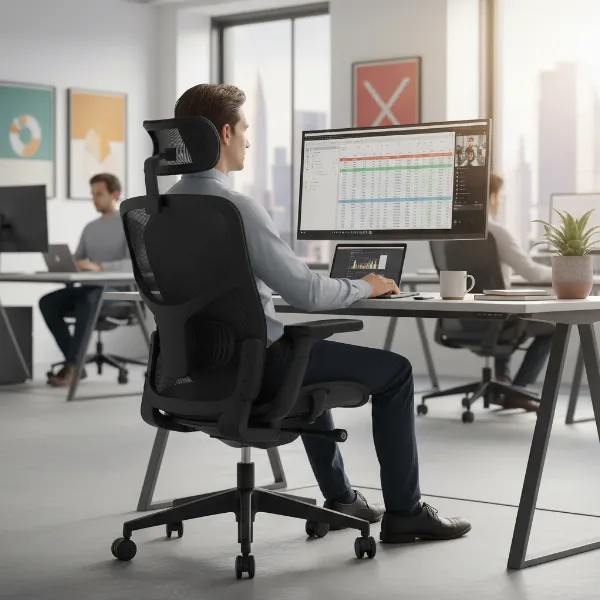
Choosing the right ergonomic chair is a critical decision for anyone spending long hours at a desk, whether in a home office or a corporate environment. Beyond the essential ergonomic adjustments, the material of your chair plays a significant role in comfort, aesthetics, and crucially, its longevity. Two of the most popular upholstery options are leather and mesh, each boasting distinct characteristics that appeal to different users. The question often arises: when it comes to an ergonomic chair, which material truly stands the test of time? Understanding the durability, maintenance, and overall performance of both leather and mesh is key to making an informed investment that supports your well-being and productivity for years to come.
1. Understanding Ergonomic Chair Materials: Leather vs. Mesh
The foundation of any ergonomic chair’s performance lies not just in its frame and adjustability, but also in the materials that make up its seating surfaces. These materials directly impact comfort, breathability, and, most importantly for long-term users, how well the chair withstands daily wear and tear. A clear understanding of what each material offers is the first step in assessing its potential lifespan and suitability for your workspace.
1.1. What is Mesh in Ergonomic Chairs?
Mesh, typically found on the backrest and sometimes the seat of ergonomic chairs, is a woven fabric known for its open, breathable construction. These modern chairs often feature a strong, flexible mesh stretched taut over a frame, providing dynamic support that conforms to the user’s body. High-quality mesh is engineered for elasticity and strength, allowing for excellent airflow that keeps users cool and prevents moisture buildup during extended periods of sitting. This material is particularly favored in warmer climates or by individuals prone to overheating, offering a lightweight and contemporary aesthetic.
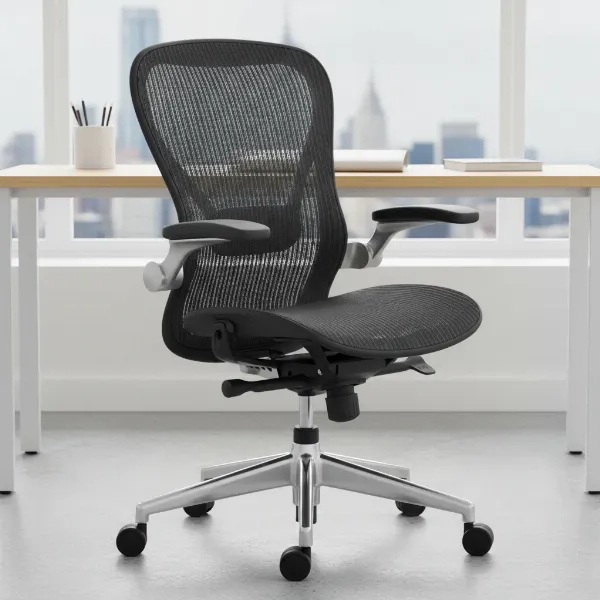 A modern ergonomic office chair featuring a breathable mesh back and seat for superior ventilation.
1.2. What is Leather in Ergonomic Chairs?
Leather, a classic choice for office furniture, brings a sense of luxury, professionalism, and robust comfort to ergonomic chairs. It is a natural material derived from animal hides, processed to be supple yet durable. Leather chairs typically feature padded seating and backrests upholstered in this material, offering a firm yet cushioned feel. Various types of leather exist, from premium full-grain and top-grain options known for their longevity and ability to develop a rich patina, to more budget-friendly bonded leather and synthetic PU leather, which mimic the look but often lack the same inherent durability.
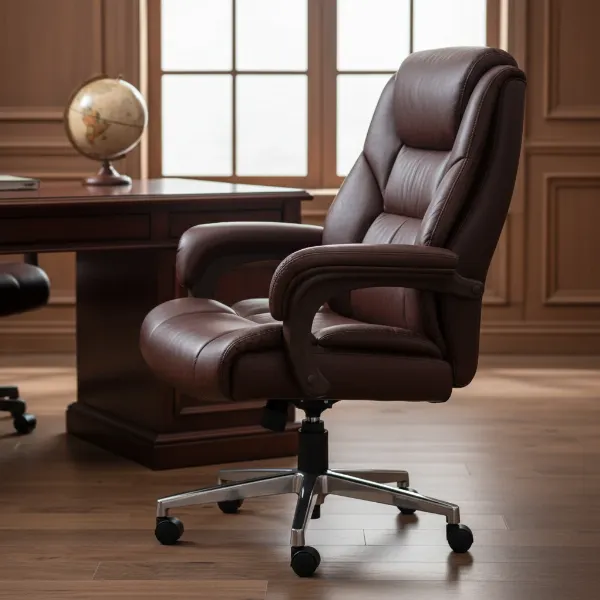 A luxurious dark brown leather ergonomic office chair, exuding professionalism and robust comfort.
2. Durability Deep Dive: Which Material Lasts Longer?
The core of the leather vs. mesh debate often boils down to one critical factor: durability. Investing in an ergonomic chair means expecting years of reliable support, and the lifespan of its primary material is paramount. While both can offer significant longevity, their inherent properties, common failure points, and response to everyday use differ considerably, influencing their overall endurance.
2.1. The Lifespan of Mesh Ergonomic Chairs
High-quality mesh chairs are designed for resilience and can typically provide comfortable support for 5-8 years with regular use. The longevity of a mesh chair is heavily dependent on the quality of the mesh fabric itself, which can vary from tightly woven, robust materials to more loosely knit, thinner varieties. Over time, lower-quality mesh may begin to sag, losing its tautness and compromising the ergonomic support it offers. Common wear issues include fraying, stretching, or even tearing, particularly in areas of high friction or repeated pressure. However, advanced mesh materials, such as those made from elastomeric compounds, are engineered to retain their shape and tension for extended periods, offering superior long-term performance. Proper maintenance, including regular cleaning and avoiding sharp objects, can help extend the life of a mesh chair.
2.2. The Lifespan of Leather Ergonomic Chairs
Genuine leather ergonomic chairs are renowned for their impressive longevity, often lasting 7-15 years or even more when properly maintained. Unlike mesh, genuine leather tends to age gracefully, developing a unique patina that can enhance its appearance. However, the lifespan of leather significantly depends on its type and quality. Full-grain and top-grain leathers are the most durable, resisting wear, punctures, and tears effectively. In contrast, bonded leather, made from shredded leather fibers bonded together, and PU leather, a synthetic alternative, are considerably less durable. These cheaper alternatives are prone to cracking, peeling, and flaking within 2-5 years, especially with consistent use or exposure to direct sunlight. Key wear issues for genuine leather can include scuffs, scratches, and, if not conditioned, drying and cracking. Regular cleaning and conditioning are essential to keep genuine leather supple and prevent deterioration.
2.3. Direct Comparison: Longevity Factors
When directly comparing the longevity of these two materials, genuine leather generally holds an advantage over mesh in terms of overall lifespan, with some premium leather chairs lasting well over a decade. This superior endurance is attributed to leather’s inherent robustness and ability to withstand sustained pressure without significant deformation. However, this comparison becomes nuanced when considering different grades. High-quality mesh can easily outlast low-quality or bonded leather, which is notorious for premature wear. Factors like manufacturing quality, user weight, daily usage hours, and environmental conditions (such as humidity and temperature) also play crucial roles. Ultimately, a premium chair, regardless of whether it’s mesh or leather, will feature materials and construction designed for enhanced durability.
3. Beyond Durability: Other Key Considerations
While durability is a primary concern, choosing the ideal ergonomic chair material involves weighing several other factors that impact daily comfort, maintenance, and the overall aesthetic appeal of your workspace. These considerations can significantly influence user satisfaction and the long-term value of your investment, extending beyond just how long the material physically lasts.
3.1. Comfort and Breathability
Mesh excels in breathability, allowing for continuous airflow that prevents heat and moisture buildup. This makes mesh chairs exceptionally comfortable in warm environments or during long work sessions, as users remain cool and dry. The material’s flexibility also often provides a “suspended” feeling, conforming to the body’s contours for adaptive support. Leather, while offering a plush and luxurious feel, lacks the breathability of mesh. It can become warm and sometimes sticky in hot conditions, though it provides a more cushioned and substantial sitting experience, often preferred in cooler settings or by those who desire a softer embrace.
3.2. Maintenance and Care
The maintenance requirements for leather and mesh chairs vary considerably. Mesh chairs are generally easier to clean, often requiring just a quick wipe down with a damp cloth or a light vacuuming to remove dust and debris. Stains on mesh can typically be spot-cleaned with mild soap and water. Leather, particularly genuine leather, demands more attentive care. It needs regular cleaning to remove surface dirt and periodic conditioning to keep it supple, prevent drying, cracking, and maintain its natural luster. While a well-maintained leather chair can last for decades, neglecting its care can drastically shorten its lifespan, especially for lesser-quality leather types.
3.3. Aesthetics and Style
Aesthetically, mesh and leather chairs project very different images. Mesh chairs typically convey a modern, minimalist, and high-tech sensibility, fitting well into contemporary office designs and open-plan workspaces. Their translucent or semi-translucent nature can also make a space feel lighter and more expansive. Leather chairs, conversely, evoke a sense of classic elegance, executive presence, and traditional luxury. They are often chosen for professional settings, private offices, or environments where a distinguished and substantial look is desired. The choice between the two often comes down to personal taste and the existing decor of the workspace.
3.4. Cost Implications
Generally, ergonomic chairs upholstered in genuine leather tend to have a higher upfront cost than their mesh counterparts, reflecting the premium nature of the material and the craftsmanship involved. High-quality full-grain leather can represent a significant investment, but it often pays off in terms of durability and timeless appeal. Mesh chairs are typically more budget-friendly, making them an accessible option for many. However, it’s crucial to remember that cheaper materials, whether mesh or leather, often lead to a shorter lifespan and less robust performance, potentially requiring earlier replacement. A truly well-made chair, regardless of material, should be viewed as a long-term investment in comfort and health.
4. Making Your Choice: A Buying Guide for Ergonomic Chair Materials
Deciding between leather and mesh for your ergonomic chair requires a thoughtful evaluation of your personal needs, environmental factors, and budget. This decision extends beyond mere aesthetics, impacting your daily comfort and the long-term value of your purchase. Making the right choice ensures that your chair not only looks good but also provides optimal support and longevity.
4.1. Identify Your Priorities (Usage, Climate, Budget)
Begin by assessing how and where the chair will be used. If you sit for extended periods, especially in a warm or humid climate, the breathability of mesh might be a top priority to prevent discomfort and sweating. For those in cooler environments who prioritize a plush, executive feel and are willing to invest in maintenance, leather could be more suitable. Consider your daily usage time: heavy, all-day use demands maximum durability from either material. Finally, establish a realistic budget, understanding that genuine leather generally commands a higher price tag but often offers superior longevity and classic appeal.
4.2. Assessing Material Quality
Regardless of whether you choose leather or mesh, the quality of the material is paramount to its durability and performance. For mesh, look for high-tensile, multi-layered, or elastomeric weaves that are designed to resist sagging and tearing. These premium meshes maintain their tension and support over many years. When considering leather, always opt for genuine full-grain or top-grain leather if durability is a priority. Avoid bonded leather or PU leather for heavy use, as they are known to deteriorate much faster. High-quality materials, while costing more upfront, provide superior comfort and a significantly longer lifespan, ensuring your ergonomic chair remains a valuable asset.
4.3. Reputable Ergonomic Chair Brands and Their Material Choices
Leading ergonomic chair manufacturers are known for their commitment to quality materials and engineering. Brands like Herman Miller and Steelcase, for instance, offer chairs with highly advanced mesh fabrics that are renowned for their durability, flexibility, and long-term support. Their proprietary mesh designs are rigorously tested to resist sagging and wear. Similarly, many premium brands offer executive-level ergonomic chairs upholstered in high-grade genuine leather, ensuring a luxurious feel and exceptional longevity when cared for properly. Researching specific models and brand reputations for their material choices is crucial, as a brand’s expertise often translates into superior material performance and overall chair lifespan.
5. Case Studies: Popular Ergonomic Chairs and Their Materials
Examining how different ergonomic chair models utilize mesh and leather can provide practical insights into their performance and user experience. These examples showcase the strengths of each material in various designs, highlighting how manufacturers optimize for comfort, durability, and style based on the chosen upholstery.
5.1. Top Mesh Ergonomic Chairs Known for Durability
Many iconic ergonomic chairs, such as the Herman Miller Aeron and the Steelcase Gesture with its proprietary 3D LiveBack® technology, prominently feature high-performance mesh. These chairs are celebrated for their ability to provide dynamic support, superior breathability, and impressive durability. The advanced mesh used in these models is engineered to maintain its tension and shape for 12 years or more, resisting sagging and fraying even under intensive daily use. This longevity is a testament to the quality of the material and the innovative design that ensures even stress distribution, making them a benchmark for mesh chair durability.
5.2. Top Leather Ergonomic Chairs Known for Longevity
For those who prefer the luxurious feel and classic aesthetic, ergonomic chairs from brands like Haworth and Eurotech Seating often feature high-grade genuine leather. The Haworth Zody, for example, is available in rich, top-grain leather options that offer exceptional durability and a sophisticated look, aging beautifully over time. These chairs are built to withstand rigorous use, with the leather acting as a robust and resilient surface that resists punctures and scuffs better than lower-quality alternatives. With proper care and conditioning, these leather ergonomic chairs can offer outstanding longevity, often becoming fixtures in an office for well over a decade, providing enduring comfort and style.
“The longevity of any ergonomic chair material ultimately comes down to two key factors: the inherent quality of the material itself and the user’s commitment to proper care and maintenance. A high-quality mesh can outlast poor-grade leather, and vice-versa.” – Dr. Elena Petrova, Certified Ergonomist
Conclusion
The choice between leather and mesh for your ergonomic chair is a deeply personal one, with both materials offering distinct advantages and considerations. While genuine leather often boasts a superior potential lifespan, lasting 7-15 years or more with dedicated care, its durability is contingent on quality and consistent maintenance. High-quality mesh, on the other hand, provides excellent breathability and comfort, typically lasting 5-8 years, making it an ideal choice for warmer climates and those seeking modern aesthetics and easier cleaning. Ultimately, the best ergonomic chair material for you hinges on balancing your priorities for durability, comfort, maintenance, and budget. Whether you prioritize the classic resilience of leather or the innovative breathability of mesh, investing in a high-quality chair from a reputable brand will ensure long-term satisfaction. Which material aligns best with your daily workflow and personal preferences?
Frequently Asked Questions
How much longer does genuine leather last than mesh?
Genuine leather typically lasts significantly longer than mesh, often providing 7-15 years of service or more with proper care, compared to high-quality mesh chairs which usually last 5-8 years. This gap widens considerably when comparing premium leather to lower-grade mesh.
Is bonded leather as durable as genuine leather for an ergonomic chair?
No, bonded leather is substantially less durable than genuine leather. Made from shredded leather fibers and a polyurethane binder, it is prone to cracking, peeling, and flaking, often showing significant wear within 2-5 years, making it a less robust choice for an ergonomic chair’s longevity.
Can mesh chairs sag over time?
Yes, lower-quality mesh chairs can sag and lose their tension over time, leading to reduced support and comfort. However, high-quality, advanced mesh materials are engineered to retain their elasticity and shape for many years, effectively resisting sagging and maintaining ergonomic integrity.
What maintenance is required for leather ergonomic chairs?
Genuine leather Ergonomic Chairs require regular cleaning with a damp cloth and periodic conditioning (every 6-12 months) using a leather conditioner. This care keeps the leather supple, prevents it from drying out and cracking, and helps maintain its appearance and longevity.
Are mesh chairs more breathable than leather chairs?
Yes, mesh chairs are significantly more breathable than leather chairs. The open weave of mesh allows for constant airflow, which helps to dissipate heat and moisture, keeping the user cooler and more comfortable, especially during long hours of sitting or in warm environments.