Let’s be honest. Your office chair has probably seen better days. That faint coffee stain from last Tuesday, the mystery crumbs from countless lunches at your desk, and a general layer of dust that’s settled in like an unwelcome roommate. If you’re wondering How To Deep Clean An Office Chair, you’re not just thinking about appearances; you’re taking a crucial step toward a healthier, more productive workspace. A clean chair is great, but a clean ergonomic chair is a complete game-changer for your well-being.
Think of your office chair as your command center. You spend hours there every day. Over time, it absorbs dust, sweat, skin cells, and food particles. This isn’t just an “ick” factor; it can affect air quality and even your health. But before we roll up our sleeves and dive into the cleaning process, let’s quickly touch on why the type of chair you’re cleaning matters so much.
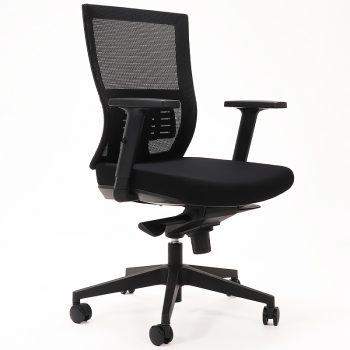
What Exactly Is an Ergonomic Chair Anyway?
An ergonomic chair isn’t just any old office chair with a bit of padding. It’s a highly engineered piece of equipment designed to support the human body in its ideal state—promoting good posture, reducing stress on the spine, and preventing the aches and pains that come from prolonged sitting. Unlike a standard chair that forces your body to adapt to it, an ergonomic chair adapts to you.
As ergonomics consultant John Chen often says, “A standard chair is a one-size-fits-all solution that, in reality, fits no one perfectly. An ergonomic chair is a personalized comfort system that works with your body, not against it.”
The Real-World Benefits of Going Ergonomic
Investing in a proper ergonomic chair is one of the single best things you can do for your long-term health, especially if you have a desk job. The benefits are not just about comfort; they have a ripple effect on your entire life.
- Posture Correction: It actively supports the natural S-curve of your spine, preventing you from slouching and training your body to maintain a healthier posture.
- Reduced Back Pain: Proper lumbar support is a cornerstone of ergonomic design. It takes the pressure off your lower back, a common complaint among office workers.
- Decreased Neck and Shoulder Strain: Adjustable armrests ensure your shoulders are relaxed, and proper chair height keeps your neck in a neutral position, reducing tension headaches and stiffness.
- Improved Productivity and Focus: When you’re not constantly shifting around trying to get comfortable or distracted by nagging pain, you can focus more deeply on your work.
Key Features of a Quality Ergonomic Chair
When you’re in the market for a new chair, it’s easy to get overwhelmed. To cut through the noise, here are the non-negotiable features you should look for:
- Adjustable Seat Height: Your feet should be flat on the floor with your knees at a 90-degree angle.
- Adequate Seat Depth and Width: You should have 2-4 inches of space between the back of your knees and the edge of the seat.
- Lumbar Support: This is critical. Look for adjustable lumbar support that can fit the unique curve of your lower back.
- Adjustable Armrests: They should allow your arms to rest comfortably, taking the strain off your shoulders.
- Swivel and Casters: The ability to move freely without straining is essential for an efficient workspace.
Now, Let’s Get to Business: How to Deep Clean an Office Chair
Alright, now that we appreciate the throne we’re sitting on, let’s give it the royal treatment it deserves. This step-by-step guide will walk you through the process, regardless of your chair’s material.
First, Gather Your Cleaning Arsenal
You don’t need a lot of fancy equipment. Most of what you need is probably already in your cleaning closet:
- A vacuum cleaner with brush and crevice attachments
- Microfiber cloths (at least 2-3)
- A mild dish soap or a dedicated upholstery cleaner
- A bowl of warm water
- Rubbing alcohol or a solvent-based cleaner (for certain stains)
- For leather chairs: A dedicated leather cleaner and conditioner
- A small bucket
Crucial first step: Look for a tag on your chair (usually on the underside of the seat). It will have a cleaning code:
- W: Use a water-based cleaner.
- S: Use a solvent-based cleaner (no water).
- S/W: You can use either a water-based or solvent-based cleaner.
- X: Vacuum only. Do not use any liquid cleaners.
The 5-Step Deep Cleaning Masterclass
Follow these steps in order for a sparkling clean finish.
1. The Big Eviction: Vacuum Everything
Start by giving your chair a thorough vacuuming. Use the crevice tool to get into all the nooks and crannies where crumbs and dust love to hide—think seams, buttons, and the area where the backrest meets the seat. Use the brush attachment for the main surfaces to lift away dust without damaging the fabric.
2. Spot Treatment: Attack the Stains
Before you clean the whole chair, tackle any obvious stains. For a fabric chair with a ‘W’ code, a simple solution of a few drops of dish soap in warm water often works wonders. Dab the stain gently with a microfiber cloth dipped in the soapy water—don’t rub, as that can spread the stain. For tougher stains like ink on a chair with an ‘S’ code, apply a small amount of rubbing alcohol to a cloth and blot carefully. Always test any cleaning solution on an inconspicuous spot first!
3. The Main Wash: Cleaning by Material Type
This is where the cleaning code you found earlier comes into play.
- For Fabric Chairs (Code W or S/W): Mix a small amount of dish soap or upholstery shampoo into a bowl of warm water and whip it up to create suds. Apply only the suds to the fabric with a clean cloth, working in small sections. The goal is to avoid over-saturating the foam underneath.
- For Mesh Chairs: Mesh is great for breathability but can be a dust trap. After vacuuming, wipe the mesh down with a cloth dampened with soapy water. For stubborn grime, you can use a soft-bristled brush to gently scrub the area.
- For Leather and Vinyl Chairs: Never use soap and water on genuine leather. Use a cleaner specifically designed for leather. Apply it with a soft cloth, then follow up with a leather conditioner to keep it supple. For vinyl, a cloth dampened with soapy water is perfectly fine.
4. The Foundation: Hard Surfaces, Base, and Wheels
Don’t neglect the non-fabric parts! Wipe down the armrests, chair base, and frame with a cloth dampened in your soapy water solution. For the wheels, this is where you can make a huge difference. Turn the chair upside down. You’ll likely find a tangled mess of hair and debris. Use scissors or a seam ripper to carefully cut it all away. A final wipe-down will have them rolling like new.
5. Air It Out: The Drying Process
Patience is key here. Let your chair air dry completely before you sit on it again. Using a chair that’s still damp can lead to mildew and musty smells. If you can, place it in a well-ventilated room or near an open window to speed up the process. Avoid direct sunlight, which can fade fabrics.
Common Mistakes to Avoid
When learning how to deep clean an office chair, avoiding these common pitfalls is as important as the cleaning itself.
- Using Harsh Chemicals: Bleach or ammonia-based cleaners can permanently damage or discolor your chair’s upholstery. Stick to mild, approved solutions.
- Soaking the Chair: Too much water can damage the foam padding and lead to mold. Less is more.
- Scrubbing Too Hard: Aggressive scrubbing can fray fabric and wear down the material. Gentle, circular motions are best.
- Forgetting the Wheels: Clogged wheels can damage your floors and make moving around a chore. Cleaning them is a quick win.
Frequently Asked Questions (FAQ)
Q: How often should I deep clean my office chair?
A: A full deep clean is recommended every 6 to 12 months, depending on usage. However, you should vacuum it and spot-clean any spills weekly to keep it in good shape.
Q: Can cleaning damage the ergonomic features of my chair?
A: No, as long as you are careful. Avoid spraying liquids directly into the mechanisms (like the height adjustment lever). Wiping these parts down with a damp cloth is perfectly safe and won’t harm the chair’s functionality.
Q: What is the best way to remove odors from an office chair?
A: For fabric chairs, lightly sprinkling baking soda over the surface, letting it sit for an hour, and then vacuuming it up thoroughly can work wonders for neutralizing odors.
Q: Is it safe to use a steam cleaner on my office chair?
A: It depends entirely on the fabric and the manufacturer’s instructions. Some durable fabrics can handle steam, but it can ruin others. If you’re unsure, it’s best to stick to the methods described above.
Q: My chair doesn’t have a cleaning code tag. What should I do?
A: When in doubt, start with the safest method. Begin by testing a water-based solution (dish soap and water) on a hidden spot. If there’s no discoloration or damage, you’re likely safe to proceed.
The Final Word on Your Workspace Throne
Learning how to deep clean an office chair is more than just a chore; it’s an investment in your comfort, health, and focus. A clean, well-maintained ergonomic chair isn’t a luxury—it’s an essential tool for modern work. By taking an hour every few months to give it a proper cleaning, you’re not just extending the life of your chair; you’re creating a more pleasant and professional environment for yourself. So go ahead, give your chair the refresh it deserves. Your body and your mind will thank you for it.