Are you reading this while shifting uncomfortably in your seat? Maybe you’re trying to ignore that dull ache in your lower back or the persistent stiffness in your neck. If this sounds familiar, you’re not alone. The search for Common Office Chair Problems And Solutions has become a modern-day quest for millions of us tied to a desk. That standard-issue chair might have seemed fine at first, but after countless hours, it often becomes the root cause of daily discomfort and flagging productivity. It’s time to stop just enduring your workday and start thriving in it. This guide is your first step toward understanding the issues and, more importantly, discovering the ultimate solution.
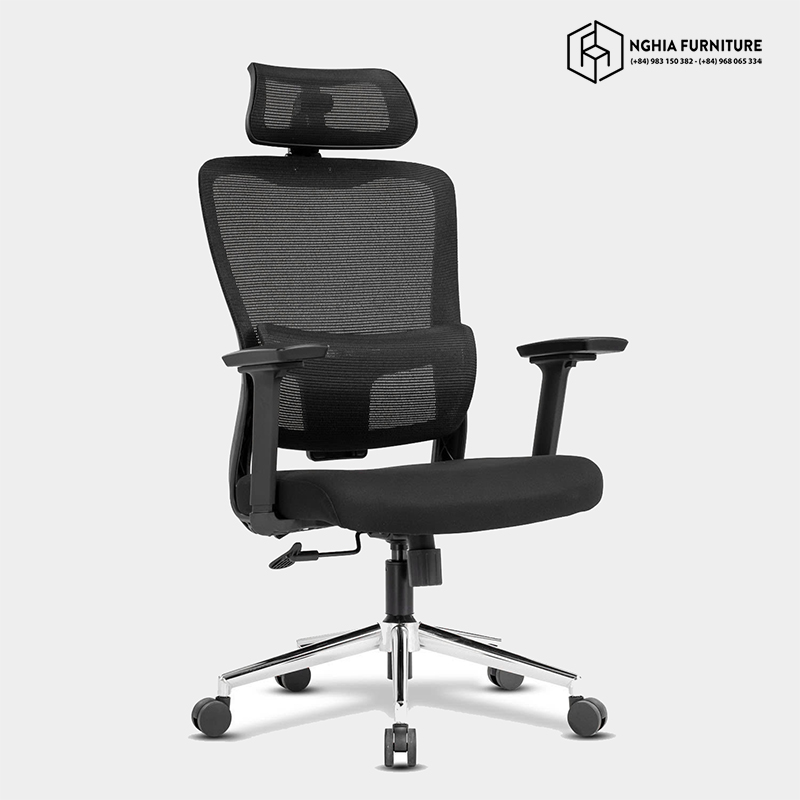
What Exactly Is an Ergonomic Chair?
An ergonomic chair is far more than just a place to sit; it’s a high-performance tool designed to work in harmony with your body. Unlike a one-size-fits-all office chair, an ergonomic chair is built on the principles of adjustability and support. It’s engineered to fit you—your height, your shape, and your specific tasks—to promote a healthy, neutral posture. Think of it as the difference between an off-the-rack suit and a custom-tailored one. Both serve the same basic function, but one is crafted to support you perfectly in all the right places.
The Life-Changing Benefits of Going Ergonomic
Switching to a proper ergonomic chair isn’t a minor upgrade; it’s a long-term investment in your health and performance. The right chair can drastically improve your workday and your well-being.
- Kiss Back Pain Goodbye: Proper lumbar support is a game-changer. An ergonomic chair’s curved backrest supports the natural “S” shape of your spine, reducing the strain that leads to chronic lower back pain.
- Boost Your Focus and Productivity: When you’re not constantly fidgeting to find a comfortable position, your brain is free to focus on what matters. Comfort eliminates distractions, leading to deeper concentration and higher quality work.
- Improve Your Posture: These chairs are designed to gently guide your body into its optimal alignment. Over time, this can help correct bad habits like slouching, even when you’re not at your desk.
- Reduce Neck and Shoulder Strain: With adjustable armrests and headrests, you can support your arms and head properly, preventing the tension that builds up in your shoulders and travels up to your neck.
Must-Have Features of a Quality Ergonomic Chair
Navigating the world of ergonomic chairs can feel overwhelming, but it boils down to a few key features. When you’re looking for solutions to your office chair problems, ensure your potential new chair has these non-negotiables.
- Adjustable Seat Height: Your feet should rest flat on the floor with your knees at a 90-degree angle. This is the foundation of good posture.
- Superior Lumbar Support: This is the most critical feature. Look for a chair with adjustable lumbar support that can be moved up, down, in, and out to perfectly cushion the curve of your lower back.
- Adjustable Armrests: Armrests should be height and width adjustable to allow your shoulders to relax and your elbows to rest comfortably at a 90-degree angle.
- Seat Depth Adjustment: The ability to slide the seat pan forward or backward ensures you have about two to three fingers of space between the back of your knees and the edge of the seat, promoting healthy blood circulation.
- Swivel and Casters: The ability to move and turn easily without straining is essential for a dynamic workspace.
How Do You Set Up an Ergonomic Chair Correctly?
Buying a great chair is only half the battle. To truly find the answer to common office chair problems and solutions, you need to set it up correctly. It only takes a few minutes, but it makes all the difference.
- Set Your Seat Height: Start by adjusting the height so your feet are flat on the floor and your thighs are parallel to it. Avoid dangling your feet or having your knees higher than your hips.
- Adjust the Seat Depth: Slide the seat forward or backward until you can fit two or three fingers between the edge of the seat and the back of your knees.
- Dial in the Lumbar Support: Position the lumbar support to fit snugly into the natural curve of your lower back. It should feel supportive, not pushy.
- Position Your Armrests: Adjust the armrests so your elbows can rest comfortably at a 90-degree angle, taking the weight off your shoulders. Your shoulders should be relaxed, not hunched.
- Set the Recline Tension: Adjust the tension so you can lean back with a gentle push but still feel supported. You shouldn’t have to strain to recline or feel like the chair is throwing you forward.
As Dr. Alan Grant, a specialist in occupational physiotherapy, often says, “The damage from poor posture is cumulative. It’s a slow burn of micro-strains that, over years, can lead to serious chronic pain. A well-adjusted ergonomic chair is the single most effective preventative tool we have in the modern office.”
Common Mistakes to Avoid When Choosing and Using Your Chair
I’ve seen it time and time again. People invest in a great chair but fall into a few common traps that prevent them from reaping the benefits.
- Buying Based on Looks Alone: A sleek, minimalist chair might look great, but if it lacks crucial adjustability, it’s just an expensive piece of furniture. Function must always come before form.
- The “Set It and Forget It” Mentality: Your body’s needs can change throughout the day. Don’t be afraid to make small micro-adjustments to the recline or armrests as you switch between tasks like typing and reading.
- Ignoring the Rest of Your Workspace: The perfect chair can’t fix a monitor that’s too low or a keyboard that’s too high. Your entire desk setup needs to work together ergonomically. This is a key part of solving common office chair problems and solutions.
Ergonomic Chairs vs. Standard Office Chairs: Is It Worth It?
People often ask me if the price difference is justified. Let’s break it down.
| Feature | Standard Office Chair | Ergonomic Chair |
|---|---|---|
| Adjustability | Limited (usually just height) | Highly Adjustable (height, depth, arms, lumbar, recline) |
| Support | Basic, generic foam padding | Targeted, contoured support for spine and pelvis |
| Longevity | Tends to wear out quickly | Built with durable materials for long-term use |
| Health Impact | Often contributes to pain | Designed to prevent pain and improve posture |
| Long-Term Cost | Cheaper upfront, but potential health costs | Higher upfront, but an investment in health and productivity |
The verdict is clear. While a standard chair fills a space, an ergonomic chair actively supports your health and enhances your ability to work effectively.
Frequently Asked Questions
Why does my back hurt in my office chair?
Your back likely hurts because a standard office chair lacks adequate lumbar support, forcing your spine into an unnatural “C” shape. This puts continuous strain on the muscles and discs in your lower back, leading to pain and discomfort over time.
How can I make my current office chair more ergonomic?
While not a perfect fix, you can add a lumbar support pillow to help your spine’s curve and use a footrest if your feet don’t reach the floor. However, these are temporary fixes and don’t replace the full adjustability of a true ergonomic chair.
Are expensive ergonomic chairs really worth the money?
Yes, they are an investment. High-end chairs use superior materials, offer more precise adjustments, and are backed by longer warranties. The cost reflects the research and engineering designed to protect your long-term health and well-being.
How long does it take to get used to an ergonomic chair?
It can take a few days to a week. If you’ve been slouching for years, sitting with correct posture might feel strange at first as your body adapts and different muscle groups are engaged. Stick with it, and you’ll soon feel the benefits.
Can an ergonomic chair fix my posture?
An ergonomic chair is a powerful tool that encourages and supports good posture, but it can’t magically fix it alone. It makes it easier and more natural to sit correctly, but you still need to be mindful of your habits and take regular breaks to stand and stretch.
Ultimately, addressing common office chair problems and solutions is about recognizing that the hours you spend at your desk have a profound impact on your quality of life. An ergonomic chair isn’t a luxury; it’s a fundamental component of a healthy and productive workspace. By investing in a chair that supports your body, you are making a clear statement that your health is a priority. Stop accepting discomfort as a normal part of work and take the first step toward a more comfortable, focused, and pain-free future.