Let’s be honest. If you’re a person of a larger stature, finding a comfortable office chair often feels like a quest for a mythical creature. You’re navigating a world of furniture built for the “average” person, which leaves you feeling cramped, unsupported, and frankly, frustrated. That’s why finding the Best Big And Tall Office Chair isn’t a luxury; it’s a fundamental necessity for your health, comfort, and productivity. The constant battle with chairs that groan under your weight, armrests that dig into your sides, and a seat that feels like a postage stamp has to end.
This guide is your roadmap. We’re not just going to list a few options; we’re going to break down exactly what makes an office chair worthy of a bigger and taller frame. Think of us as your personal ergonomics consultant, here to help you find a throne that finally fits.
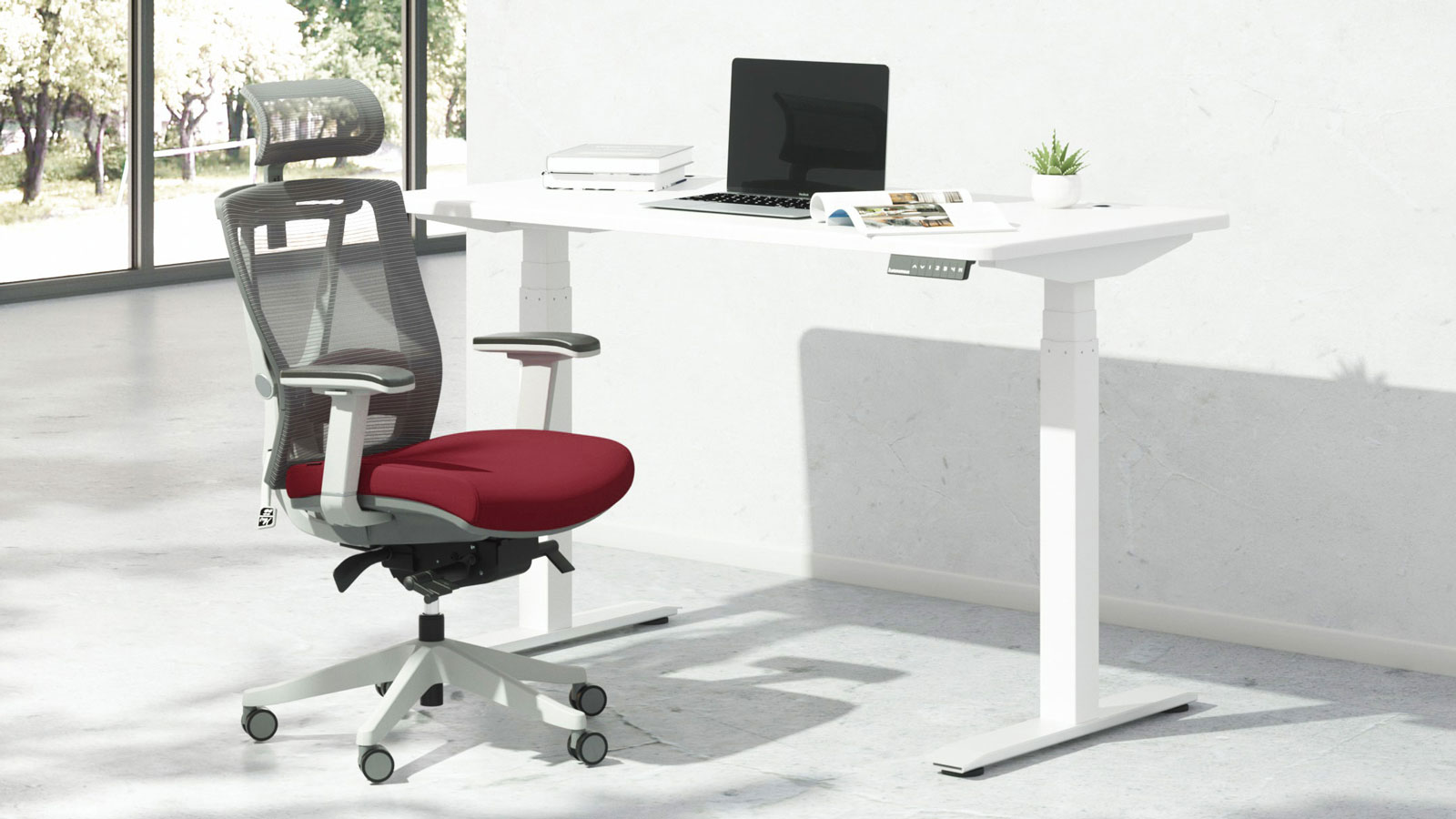
Why Standard Office Chairs Just Don’t Cut It
You’ve probably experienced it firsthand. Standard office chairs are typically designed with a weight capacity of around 250 pounds and dimensions suited for someone under six feet tall. For anyone outside that range, using a standard chair is like trying to run a marathon in shoes that are two sizes too small. It’s not just uncomfortable—it’s actively bad for you.
A chair that’s too small can lead to a host of problems:
- Poor Circulation: A shallow seat pan can press against the back of your thighs, restricting blood flow.
- Back and Neck Pain: A backrest that’s too short offers no support for your upper back and shoulders, forcing your muscles to work overtime.
- Hip and Joint Strain: A narrow seat can pinch your hips and force you into an unnatural posture.
- Safety Concerns: Exceeding a chair’s weight limit isn’t just a comfort issue; it’s a safety hazard. Components can fail, leading to potential injury.
Investing in the best big and tall office chair is an investment in your well-being. It’s about creating a workspace where you feel supported, not squeezed.
Key Features of the Best Big and Tall Office Chair
So, what should you actually look for? When we talk about a great chair for a larger frame, we’re looking beyond the basic label. Here are the non-negotiable features.
Rock-Solid Durability and High Weight Capacity
This is the foundation of any good big and tall chair. Don’t even consider a chair that doesn’t explicitly state its weight capacity. Look for chairs rated for at least 350 pounds, with many premium models supporting up to 500 pounds or more. Key components to inspect are:
- Reinforced Steel Frame: It provides the core strength and longevity.
- Heavy-Duty Base: A five-star base made of steel or reinforced aluminum is a must. Avoid plastic bases.
- High-Quality Casters: Look for smooth-rolling, durable casters designed to handle more weight.
Generous Dimensions for a Comfortable Fit
Space is everything. A chair can have a high weight limit, but if the dimensions are off, it’s useless. Pay close attention to these measurements:
- Wider Seat: A seat width of 20 inches or more is crucial. This gives you room to sit comfortably without your hips feeling pinched.
- Deeper Seat Pan: Taller individuals often have longer femurs. A deeper seat (or one with adjustable depth) ensures your thighs are fully supported, right up to a few inches behind your knees.
- Taller Backrest: Your entire back, from the lumbar region to your shoulders and neck, should be supported. A tall backrest, often with an adjustable headrest, is essential to prevent upper back and neck strain.
Next-Level Adjustability: Your Ergonomic Toolkit
This is where a good chair becomes a great one. Adjustability allows you to tailor the chair to your unique body shape. Look for these critical features:
- Seat Height Adjustment: A pneumatic lift that allows you to place your feet flat on the floor with your knees at a 90-degree angle.
- Adjustable Lumbar Support: This is non-negotiable. The support should be adjustable in both height and depth to fit the natural curve of your lower back perfectly.
- 4D Armrests: These adjust up/down, forward/backward, side-to-side, and can pivot in/out. This allows you to position them perfectly to support your forearms and take the strain off your shoulders.
- Advanced Tilt Mechanism: A synchro-tilt mechanism is ideal. It allows the backrest and seat to recline in a synchronized ratio, promoting natural movement while keeping you supported.
Bảng trống.As Dr. Emily Carter, a renowned physical therapist, often says, “An office chair isn’t just a piece of furniture; it’s a tool for long-term spinal health. For big and tall individuals, a chair with robust, multi-point adjustability is the most important tool in their workspace.”
How to Set Up Your Big and Tall Chair Like a Pro
Getting the best big and tall office chair is only half the battle. Setting it up correctly is what unlocks its full ergonomic potential. Follow these simple steps:
- Set Your Seat Height: Stand in front of the chair. Adjust the height so the highest point of the seat cushion is just below your kneecap. When you sit down, your feet should be flat on the floor, and your thighs should be parallel to it.
- Adjust the Seat Depth: Sit all the way back in the chair. You should be able to fit two or three fingers between the front edge of the seat and the back of your knees. This prevents the seat from cutting off circulation.
- Dial in the Lumbar Support: Adjust the lumbar support so it fits comfortably into the natural curve of your lower back. It should feel supportive, not like it’s pushing you out of the chair.
- Position Your Armrests: Adjust the armrests so your shoulders are relaxed and your elbows are at a roughly 90-degree angle when your hands are on your keyboard. Your arms should feel lightly supported, not propped up.
- Set the Recline Tension: Adjust the tension knob (usually under the seat) so you can recline comfortably with a little effort but don’t feel like you’re going to be flung backward.
Common Mistakes to Avoid When Shopping
I’ve seen it time and time again. People spend good money on a chair but end up with the wrong one. Here are some common pitfalls to avoid:
- Focusing Only on Weight Capacity: A 500 lb capacity is great, but if the seat is only 19 inches wide, it’s not a true big and tall chair. Always check the full dimensions.
- Ignoring Seat Depth: This is a classic mistake made by taller users. A shallow seat will leave your legs unsupported and can lead to discomfort and circulation issues.
- Skimping on Armrest Adjustability: Fixed armrests are often too narrow or too low, forcing you to hunch your shoulders. 4D armrests are worth the extra investment.
- Choosing Aesthetics Over Ergonomics: That cool-looking racing-style gaming chair might look impressive, but many lack the true ergonomic adjustments and robust support needed for all-day work, especially for larger frames.
Frequently Asked Questions
What is a good weight capacity for a big and tall office chair?
A good starting point is a capacity of at least 350 pounds. For maximum durability and peace of mind, chairs rated for 400-500 pounds are an excellent choice, as they often use more robust materials and construction methods.
How much should I expect to spend on the best big and tall office chair?
Quality comes at a price. While you can find budget options, a truly durable and ergonomic big and tall chair typically ranges from $400 to over $1,500. Think of it as a long-term investment in your health and productivity, which often pays for itself.
Are “heavy-duty” and “big and tall” chairs the same thing?
Not always. A “heavy-duty” chair primarily focuses on a high weight capacity. A true “big and tall” chair considers both weight capacity and expanded dimensions—a wider seat, a deeper seat pan, and a taller backrest—to accommodate a larger frame.
How do I know if the backrest is tall enough for me?
When seated, the backrest should, at a minimum, support your entire upper back and shoulders. Ideally, a chair with an adjustable headrest is best for taller individuals, as it allows you to get full support for your neck and head.
Can I use a gaming chair instead?
Some gaming chairs are designed for big and tall users and offer good features. However, be cautious. Many prioritize flashy aesthetics over true ergonomic support. Look for the same key features: high weight capacity, generous dimensions, and extensive adjustability, especially in the lumbar and armrest areas.
Your Comfort Is Not a Compromise
Your search for the best big and tall office chair ends with the understanding that you deserve to be comfortable and supported at work. It’s not about finding a chair that you can simply “fit into”; it’s about finding one that actively enhances your well-being. By focusing on durability, generous dimensions, and comprehensive adjustability, you can finally get a chair that feels like it was made just for you. Stop compromising and start prioritizing your health—your back will thank you for years to come.