There’s nothing quite like that sinking feeling—and I don’t mean the one you get when a deadline is looming. I’m talking about the literal sinking or, worse, the rigid, unmoving feeling when your trusty office chair suddenly betrays you. You lean back for a well-deserved stretch, and… nothing. Or maybe it’s the opposite, and your chair now flops back with zero resistance. If you’re trying to figure out How To Fix A Broken Tilt Mechanism, you’ve come to the right place. Don’t sweat it; this is a common issue, and with a little know-how, you might just save your chair from the curb.
Here at Ergonomic Chair Guide, we’ve seen it all. A broken tilt function isn’t just an annoyance; it’s a direct threat to your posture and comfort. That dynamic movement is what keeps your spine happy during long hours of work. Let’s roll up our sleeves and get your chair back in working order.
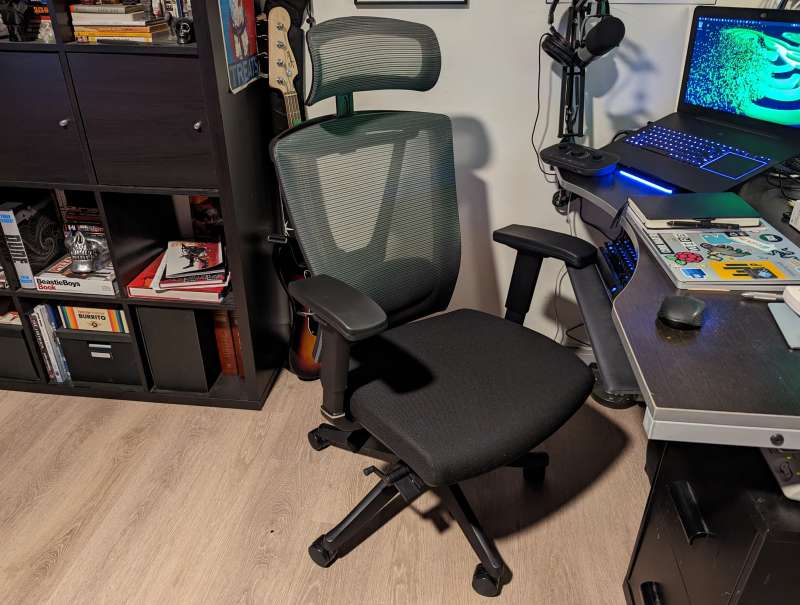
First, What Exactly Is a Tilt Mechanism?
Before we dive into the fix, let’s quickly understand what we’re dealing with. Think of the tilt mechanism as the engine of your ergonomic chair. It’s the complex metal box underneath your seat that controls the recline angle, the tension of that recline, and often the locking positions. It’s the key component that allows for “dynamic sitting,” which is crucial for reducing spinal pressure and encouraging blood flow. When it breaks, you lose a core ergonomic feature.
Diagnosing the Problem: Why Won’t My Chair Tilt?
Your first step in learning how to fix a broken tilt mechanism is to play detective. Different symptoms point to different culprits. Let’s identify what’s going wrong with your chair.
- The Chair is Stuck Solid: You’ve unlocked the tilt lever, but the chair won’t budge. It feels like it’s welded in place. This often points to a jammed or broken tilt lock.
- The “Free Fall” Problem: The moment you lean back, the chair flies backward with no resistance, no matter how much you crank the tension knob. This usually means the tension spring or knob is busted.
- Creaks, Groans, and Pops: Loud, unsettling noises when you try to recline are a dead giveaway. This could be anything from loose bolts to internal components grinding against each other.
- The Lever Does Nothing: You can move the tilt lock lever back and forth, but it feels disconnected and has no effect on the chair’s movement. The internal cable or actuator pin might have snapped or slipped out of place.
The Tools You’ll Need for the Job
You don’t need a full mechanic’s workshop, but having the right tools makes all the difference. Before you start, gather these items:
- A set of screwdrivers (both Phillips head and flathead)
- A set of Allen keys (hex wrenches)
- A can of penetrating oil (like WD-40)
- A rubber mallet
- An adjustable wrench
- Safety glasses (better safe than sorry!)
- An old towel or blanket to protect your floor
Your Step-by-Step Guide on How to Fix a Broken Tilt Mechanism
Alright, let’s get down to business. Find a well-lit area with plenty of space. We’re going to approach this systematically, from the easiest fixes to the more involved ones.
- Safety First and Preparation: Unplug any electronics and carefully turn your chair upside down, resting it on its armrests and the top of the backrest. Laying it on that old towel you grabbed will prevent any scuffs.
- Visual Inspection: Start by just looking. Are there any screws or bolts that are obviously loose? Is there a visible crack in the metal housing of the mechanism? Sometimes, the solution is as simple as tightening a few loose bolts with your wrench or Allen key. Check all the fasteners connecting the mechanism to the seat pan and the gas lift cylinder.
- Address the Tilt Tension Knob: This big knob, usually at the front of the mechanism, controls the recline resistance.
- If the chair is too loose, try tightening this knob by turning it clockwise. If it just spins freely, the internal threads might be stripped.
- If the chair is too stiff, try loosening it (counter-clockwise). If it’s completely stuck, give it a light spray of WD-40 around the base and let it sit for a few minutes before trying again.
- Examine the Tilt Lock Lever: Follow the lever to where it enters the mechanism box. Does it feel connected? Wiggle it and watch to see if it moves the corresponding parts inside. If the connection point is external, ensure the screws holding it are tight. If the lever itself is broken, you may need to order a replacement part from the manufacturer.
- Lubricate All Moving Parts: This is often the miracle cure for a chair that’s noisy or stuck. Generously spray penetrating oil on all pivot points, joints, and where the actuator pins move. Operate the levers and try to move the mechanism by hand to work the lubricant into the tight spaces. Wipe away any excess oil.
- The “Percussive Maintenance” Trick: If the tilt lock is simply jammed, a little persuasion can help. With the lock disengaged, use your rubber mallet to give the mechanism box a few firm (but not destructive!) taps from different angles. This can sometimes be enough to unstick a jammed internal pin.
- A Deeper Look Inside (For the Brave): If the simple fixes haven’t worked, the problem is likely internal. Some tilt mechanisms have a cover plate held on by screws. You can attempt to remove this to inspect the inner workings. Look for a disconnected spring or a broken cable. Warning: These mechanisms are under spring tension. Be very careful when opening them.
“A functional tilt mechanism is non-negotiable for spinal health. It enables micro-movements throughout the day, which nourishes the spinal discs and prevents the stiffness that comes from static posture. Fixing it isn’t just about comfort; it’s about preserving your long-term health.”
— Dr. Emily Carter, Physical Therapist and Ergonomics Consultant
When It Might Be Time to Throw in the Towel
Look, I’m all for a good DIY fix, but sometimes you have to know when to fold ’em. You should probably consider replacing the mechanism or the entire chair if you encounter these issues:
- A Cracked Metal Housing: This is a structural failure. It’s unsafe and cannot be reliably repaired.
- Stripped Internal Gears: If the core gears that control the lock are ground down, the mechanism is toast.
- The Cost of Replacement Parts: Sometimes, a brand-new tilt mechanism can cost nearly as much as a new, budget-friendly ergonomic chair. Weigh the cost and your time against a fresh start.
If your repair efforts have failed and you’ve decided an upgrade is the smartest move for your health and productivity, investing in a quality replacement is key.
Bảng trống.Frequently Asked Questions
Q: Why is my office chair tilt lock stuck?
A: A stuck tilt lock is often caused by a jammed internal pin, a broken lever, or a lack of lubrication. Try applying penetrating oil and gently tapping the mechanism. If the lever feels disconnected, the internal cable may have snapped.
Q: Can I just replace the tilt mechanism on my chair?
A: Yes, in most cases, you can. You’ll need to find a replacement mechanism with a compatible mounting hole pattern. You can usually remove the old one by unbolting it from the seat pan and detaching it from the gas lift cylinder.
Q: How much does it cost to fix a broken tilt mechanism?
A: If it’s a simple fix you can do yourself (like tightening bolts or lubricating), the cost is minimal. If you need to buy a replacement mechanism, they can range from $30 to over $100, depending on the chair’s quality and complexity.
Q: My chair tilts, but it’s really wobbly. What’s the problem?
A: Wobbling is almost always due to loose connections. Flip the chair over and tighten every single bolt you can find, especially the large ones that hold the mechanism to the bottom of the seat.
Q: Is it safe to use a chair with a broken tilt mechanism?
A: It depends on the break. If it’s stuck in an upright, stable position, it’s usable but not ergonomic. If it’s stuck leaning back or is wobbly and unstable, it can be a safety hazard and a risk to your posture. We recommend fixing it immediately.
Your Comfort Is Worth the Effort
Taking the time to learn how to fix a broken tilt mechanism is more than just a frugal choice; it’s an investment in your daily comfort and long-term health. A fully functional ergonomic chair is your partner in productivity, supporting you through every task. Whether you managed a successful repair or decided it’s time for an upgrade, you’ve taken a crucial step toward prioritizing your well-being. Now, go enjoy that well-deserved, perfectly reclined stretch. You’ve earned it.