Let’s be real, the world of office chairs can feel a bit… rigid. We spend hours parked in them, and for decades, the design philosophy was simple: build a sturdy frame and stick some padding on it. But as our understanding of ergonomics has evolved, so has the furniture. If you’ve been shopping for a new chair, you might have stumbled across a sleek, modern design that seems to be missing something—a big, clunky frame around the back. So, What Is A Frameless Backrest and is it just a design trend, or a genuine leap forward for our spines?
The short answer? It’s a game-changer. A frameless backrest ditches the traditional rigid perimeter frame in favor of an engineered material—usually a high-tech mesh or flexible polymer—that is tensioned to provide support. Think of it like the difference between a traditional snowshoe with a wooden frame and a modern one made from a single piece of high-strength plastic. Both keep you on top of the snow, but one moves and flexes with you, offering a much more natural and responsive experience. This innovative design aims to give you robust support where you need it and freedom where you want it.
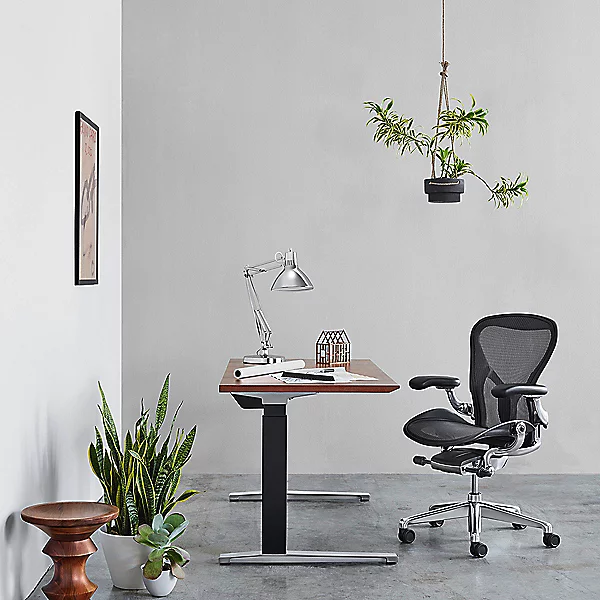
Ditching the Cage: The Core Concept of a Frameless Backrest
To truly grasp what a frameless backrest is, you have to compare it to its traditional counterpart. Most office chairs have a distinct plastic or metal frame that outlines the entire backrest. The mesh or fabric is then stretched within this border. It’s strong, but it’s also a cage for your back. Your movement is restricted to front and back; any twisting or side-to-side stretching is met with a hard, unforgiving edge.
A frameless backrest design completely rethinks this. Instead of a perimeter “cage,” the support comes from the intrinsic properties of the material itself and a cleverly designed central spine or mounting point.
- Engineered Tension: High-performance mesh is stretched and mounted in a way that creates specific zones of tension. This means the areas supporting your lumbar region can be firmer, while the areas around your shoulders can be more flexible.
- Intelligent Polymers: Some designs use a single piece of molded, flexible polymer that acts as both the “fabric” and the “frame.” These are engineered to flex in certain directions while remaining rigid in others, providing a highly adaptive support system.
- Dynamic Response: The absence of a rigid outer frame means the entire backrest can respond to your micro-movements. When you reach for your coffee or turn to speak to a colleague, the backrest twists and flexes with you, rather than forcing you to move away from the support.
So, What Is a Frameless Backrest Good For? The Key Benefits
Why are top-tier ergonomic chair brands moving towards this design? It’s not just about looking futuristic. The functional benefits directly impact your comfort, health, and even your focus throughout the workday.
Unmatched Freedom of Movement
This is the headline feature. A frameless design encourages what ergonomists call “dynamic sitting.” Our bodies aren’t meant to stay frozen in one “perfect” posture. We need to shift, stretch, and move. A frameless backrest accommodates this natural behavior, allowing for torsional (twisting) and lateral (sideways) flex. This freedom prevents the stiffness that builds up from being locked in a single position for too long.
Adaptive, Personalized Support
Because there’s no rigid frame dictating its shape, a frameless backrest conforms to the unique curvature of your spine. The tensioned mesh or polymer hugs your back, providing distributed support across its entire surface. This eliminates pressure points that often occur where your back meets a hard frame, leading to a more comfortable, almost weightless feeling.
Superior Breathability
Let’s talk about “swamp back.” It’s a real and unpleasant side effect of sitting on non-breathable materials like leather or thick foam for hours. Most frameless designs utilize a mesh construction, which allows for constant air circulation. This keeps you cool, dry, and comfortable, even during long, deadline-fueled work sessions.
A Sleek, Modern Aesthetic
There’s no denying the visual appeal. Frameless chairs often look lighter, more architectural, and less bulky than their traditional counterparts. They can make a workspace feel more open and modern, which is a welcome bonus for anyone who cares about their office environment.
Is a Frameless Backrest Always the Best Choice? Potential Downsides
No single design is perfect for everyone. While the benefits are significant, it’s crucial to have a balanced view. Here are a few things to consider before you commit.
The Lumbar Support Question
Many high-end frameless chairs have brilliant built-in lumbar support, created by weaving the mesh tighter in that specific area or through the geometry of the backrest itself. However, they may offer less aggressive or manually adjustable lumbar support than some traditional chairs that feature a separate, depth-adjustable lumbar pad. If you have specific medical needs that require a very prominent and precise lumbar cushion, you’ll want to test a frameless model carefully.
Durability and Tension Concerns
A common question we hear is, “Will the mesh sag over time?” It’s a valid concern. With cheap, low-quality chairs, it absolutely can. However, reputable brands use incredibly resilient, high-grade elastomer-based mesh that is rigorously tested to maintain its tension and supportive qualities for years. As with anything, you get what you pay for. Sticking to trusted brands is key here.
Bảng trống.As Dr. Emily Carter, a renowned physical therapist, often says, “The best chair is one that encourages movement while providing a stable base of support. A well-designed frameless backrest can achieve this balance beautifully, but the quality of the materials is non-negotiable.”
Frameless vs. Traditional Frame: A Head-to-Head Comparison
To make it even clearer, let’s break down the key differences in a simple table.
| Feature | Frameless Backrest | Traditional Frame Backrest |
|---|---|---|
| Flexibility | High (allows for twisting & lateral movement) | Low (mostly limited to recline) |
| Support Type | Conforming & Distributed | Zoned & Rigid |
| Breathability | Excellent (typically mesh) | Varies (can be poor with foam/leather) |
| Pressure Points | Minimal | Potential for “hot spots” along the frame |
| Aesthetics | Modern, minimalist, lightweight | Classic, often bulkier |
| Weight | Generally lighter | Often heavier due to the frame |
How to Know If a Chair with a Frameless Backrest is Right for You
Making the right choice comes down to your personal work style, body, and preferences. Ask yourself these questions:
- Are you an active sitter? Do you find yourself constantly shifting, stretching, or turning in your chair? If so, the freedom of a frameless design will feel like a revelation.
- Do you run hot? If you’re tired of a sweaty back by lunchtime, the superior airflow of a frameless mesh chair will be a huge quality-of-life improvement.
- What are your specific support needs? Do you prefer a gentle, all-over support, or do you need a very pronounced, adjustable lumbar pad pushing into your lower back? Try both types if you can to see what your body prefers.
- What’s your aesthetic? Are you creating a modern, airy workspace or something more traditional? The chair is a major piece of furniture, so its look matters.
Frequently Asked Questions About Frameless Backrests
Do frameless backrest chairs provide enough lumbar support?
Yes, high-quality frameless chairs are engineered to provide excellent lumbar support. They achieve this through varied tension zones in the mesh or the specific geometric shape of the backrest, which naturally encourages a healthy spinal curve.
Will the mesh on a frameless backrest stretch out over time?
On a cheap, poorly made chair, yes. On a reputable, well-engineered ergonomic chair, no. Top brands use proprietary, high-performance mesh materials designed to maintain their elasticity and support for the lifetime of the chair, which is often warrantied for a decade or more.
Are frameless backrest chairs suitable for heavier people?
Absolutely. Most leading ergonomic chairs with frameless designs are built to support users up to 300 lbs (or about 136 kg), and sometimes more. Always check the manufacturer’s specifications, but their strength comes from engineering, not just bulky materials.
What’s the main difference between a frameless mesh back and a regular mesh back chair?
The key difference is the rigid perimeter. A regular mesh chair stretches its fabric inside a plastic or metal frame, limiting movement to that contained area. A frameless design eliminates that outer frame, allowing the entire backrest to flex and move with your body.
Can you lean back and recline in a chair with a frameless backrest?
Of course! The frameless design refers to the construction of the backrest itself, not the chair’s mechanism. These chairs feature advanced tilt and recline mechanisms, just like any other premium ergonomic chair, allowing you to find the perfect angle for any task.
The Verdict: Is a Frameless Future in Your Office?
The move toward frameless backrest design isn’t just a fleeting trend; it’s a reflection of a deeper understanding of how our bodies work. It represents a shift from forcing the body into a static “correct” posture to supporting it through its natural range of motion.
By providing adaptive support that moves with you, a frameless chair can reduce stiffness, improve comfort, and keep you feeling more energized throughout the day. While it’s essential to consider your personal support needs, especially concerning the lumbar area, this innovative approach is a powerful option for most people. Investing in your well-being at work starts with the right tools, and understanding what is a frameless backrest is a crucial step toward finding a chair that doesn’t just hold you, but truly supports you.