Let’s be honest, we’ve all been there. You’re deep into a project, hours have flown by, and when you finally stand up, a dull, persistent ache greets your lower back. It’s the unofficial souvenir of modern desk life. But what if I told you a key part of the solution lies in understanding What Is Adjustable Lumbar Support? This isn’t just another buzzword in the world of office furniture; it’s a crucial feature that can transform your sitting experience from a pain-inducing marathon into a supportive, comfortable workday.
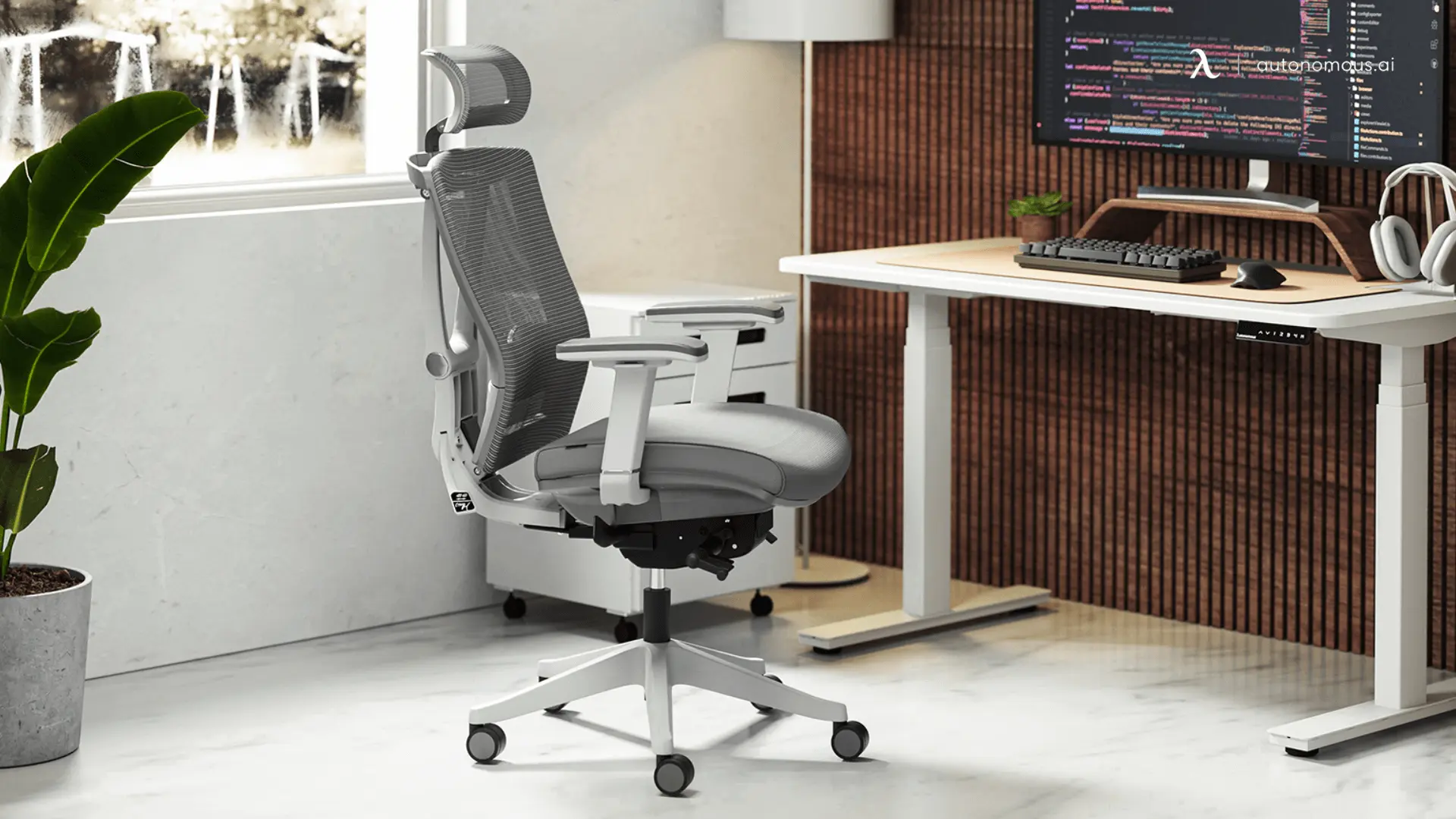
First Things First: Why Does Your Lower Back Need Special Treatment?
Before we dive into the “what,” let’s quickly cover the “why.” Your spine isn’t a straight rod. It has natural curves, and the one in your lower back, called the lordotic curve, bows inward. When you sit, especially for long periods in a standard chair, you tend to slouch. This flattens that natural curve, putting immense strain on the muscles, ligaments, and discs in your lumbar region.
Think of it like holding a bowling ball. Holding it close to your body is easy. Holding it with your arm outstretched is a recipe for fatigue and strain. Slouching is the “arm outstretched” version for your spine. An ergonomic chair’s primary job is to help you maintain that natural, “close to the body” posture, and lumbar support is the star player in that effort.
So, What Is Adjustable Lumbar Support, Really?
In simple terms, adjustable lumbar support is a feature in an ergonomic chair designed to fill the gap between your lower back and the chair’s backrest, providing support that can be customized to your unique spinal curve. Unlike a fixed cushion or a generic chair shape, it allows you to fine-tune its position and pressure to perfectly match your body.
It’s the difference between a one-size-fits-all t-shirt and a tailored suit. Both cover you, but only one feels like it was made just for you. This custom fit is essential because everyone’s body is different. The ideal support point for someone who is 6’2″ will be vastly different from someone who is 5’4″.
“The goal of dynamic seating is not to force a ‘perfect’ posture, but to support the body’s natural alignment and encourage micro-movements. Adjustable lumbar support is critical to this, as it provides a stable yet adaptable foundation for the spine.” – Dr. Emily Carter, a renowned physical therapist.
The Different Flavors: Types of Adjustable Lumbar Support
Not all adjustable systems are created equal. When you’re shopping for a chair, you’ll likely encounter a few common types:
- Height-Adjustable: This is the most basic and essential type. It allows you to slide the lumbar support panel up or down to align perfectly with the curve of your lower back.
- Depth-Adjustable: A more advanced feature, this lets you control how much the support pushes forward into your back. Some people need gentle, subtle support, while others benefit from a more pronounced pressure to maintain their posture.
- Tension-Adjustable (or Firmness): Often found in higher-end models with mesh backs, this feature uses a knob or lever to control the firmness of the lumbar area. You can dial in the exact amount of resistance you find comfortable.
- Dynamic or Pivoting: The gold standard in some premium chairs, this type of support flexes and moves with your body, providing consistent support even as you shift or lean.
The Game-Changing Benefits for Your Health and Productivity
Investing in a chair with quality adjustable lumbar support isn’t a luxury; it’s a strategic investment in your well-being. The benefits extend far beyond just feeling a bit more comfortable.
- Reduces and Prevents Lower Back Pain: This is the big one. By maintaining the natural curve of your spine, you significantly reduce the strain on your lower back muscles and spinal discs. This can alleviate existing pain and prevent future issues from developing.
- Promotes Healthy Posture: Proper support acts as a constant, gentle reminder to sit upright. Over time, this helps retrain your muscles, improving your posture not just when you’re sitting, but when you’re standing and walking, too.
- Boosts Comfort and Focus: When you’re not constantly shifting to relieve discomfort or distracted by a nagging ache, you can dedicate more mental energy to your work. Increased comfort directly translates to increased focus and productivity.
- Improves Blood Circulation: Slouching can compress your internal organs and hinder blood flow. A supported, upright posture opens up your torso, allowing for better circulation and oxygen flow to your brain and body.
How to Perfectly Adjust Your Lumbar Support: A Step-by-Step Guide
Getting a great chair is only half the battle; you have to set it up correctly. Here’s a simple guide to dialing in that perfect fit:
- Start with Your Feet: Sit in the chair with your feet flat on the floor and your knees at a roughly 90-degree angle. Adjust the chair height to achieve this. This is your foundation.
- Sit All the Way Back: Scoot your hips back until they are touching the back of the chair. Don’t leave a gap! This is a common mistake that negates the support’s effectiveness.
- Find the Sweet Spot (Height): Begin adjusting the height of the lumbar support. You want it to fit snugly into the natural curve of your lower back, generally right around your belt line. It shouldn’t be pushing into your hips or your mid-back.
- Fine-Tune the Pressure (Depth/Tension): If your chair has this feature, adjust the depth or tension. The support should feel present and supportive, but not aggressively pushy. You should feel like the chair is “meeting” your back, not forcing it forward.
- Live With It and Re-Adjust: Your initial setup is a starting point. Use the chair for an hour or so. If you feel any pressure points or discomfort, don’t be afraid to make small adjustments. The perfect setting is the one that feels comfortable and natural to you.
Adjustable Lumbar Support vs. Fixed Support or Cushions
You might be wondering if a simple cushion could do the trick. While a lumbar pillow is better than nothing, it pales in comparison to an integrated, adjustable system.
| Feature | Adjustable Lumbar Support | Fixed Support / Cushions |
|---|---|---|
| Customization | High (adjusts height, depth, or firmness) | Low to None (one-size-fits-all) |
| Consistency | Stays in the perfect position | Can slip, shift, or compress over time |
| Integration | Designed as part of the chair’s ergonomic system | An add-on that may not work with the chair’s design |
| Effectiveness | Precisely targets and supports your unique spine | Provides general, often imprecise, support |
| Long-Term Value | A durable, integrated solution | May need frequent replacement as foam breaks down |
Frequently Asked Questions (FAQ)
Q: Is adjustable lumbar support necessary for everyone?
A: While it’s especially crucial for those who sit for long hours or have existing back issues, almost everyone can benefit. It promotes healthier sitting habits and acts as a preventative measure against the strain that leads to chronic pain.
Q: How do I know if the lumbar support is set too high or too low?
A: If it’s too high, you’ll feel pressure in your mid-back. If it’s too low, it will feel like it’s pushing your hips forward, and you won’t feel any support in the small of your back. The target is the natural inward curve right above your belt line.
Q: Can the lumbar support be too aggressive?
A: Absolutely. If the support’s depth is set too high, it can force an unnatural arch in your back, causing a different kind of discomfort. The support should feel gentle and natural, not like something is constantly poking you.
Q: How long does it take to get used to proper lumbar support?
A: If you’re used to slouching, sitting with proper support might feel strange or even slightly uncomfortable for a few days. Your muscles need time to adapt to the new, healthier posture. Stick with it, and it will soon feel natural and far more comfortable.
Q: Are more expensive chairs always better for lumbar support?
A: Not necessarily. Price doesn’t always equal quality. The key is to look for the type and range of adjustability. A mid-range chair with excellent height and depth adjustment can be far better than an expensive chair with a poorly designed, non-adjustable system.
Your Back’s Best Friend
Ultimately, understanding what is adjustable lumbar support is the first step toward breaking the cycle of sitting-induced back pain. It’s a dynamic, personal feature that adapts to you, rather than forcing you to adapt to it. By investing in a chair that properly supports your spine’s natural curve, you’re not just buying a piece of furniture—you’re investing in your long-term health, comfort, and ability to do your best work, day in and day out. Your back will thank you for it.