Let’s be honest, we all do it. The midday slump hits, and suddenly you find yourself hunched over your keyboard, your back curved like a question mark. You might not notice it at first, but by the end of the day, the nagging ache in your lower back and the stiffness in your neck are impossible to ignore. If this sounds painfully familiar, you’re not alone. But what if I told you there’s a simple, foundational principle that could change the way you work forever? Let’s talk about What Is The 90 90 90 Rule For Sitting and how this simple concept can be your first step toward a pain-free workday.
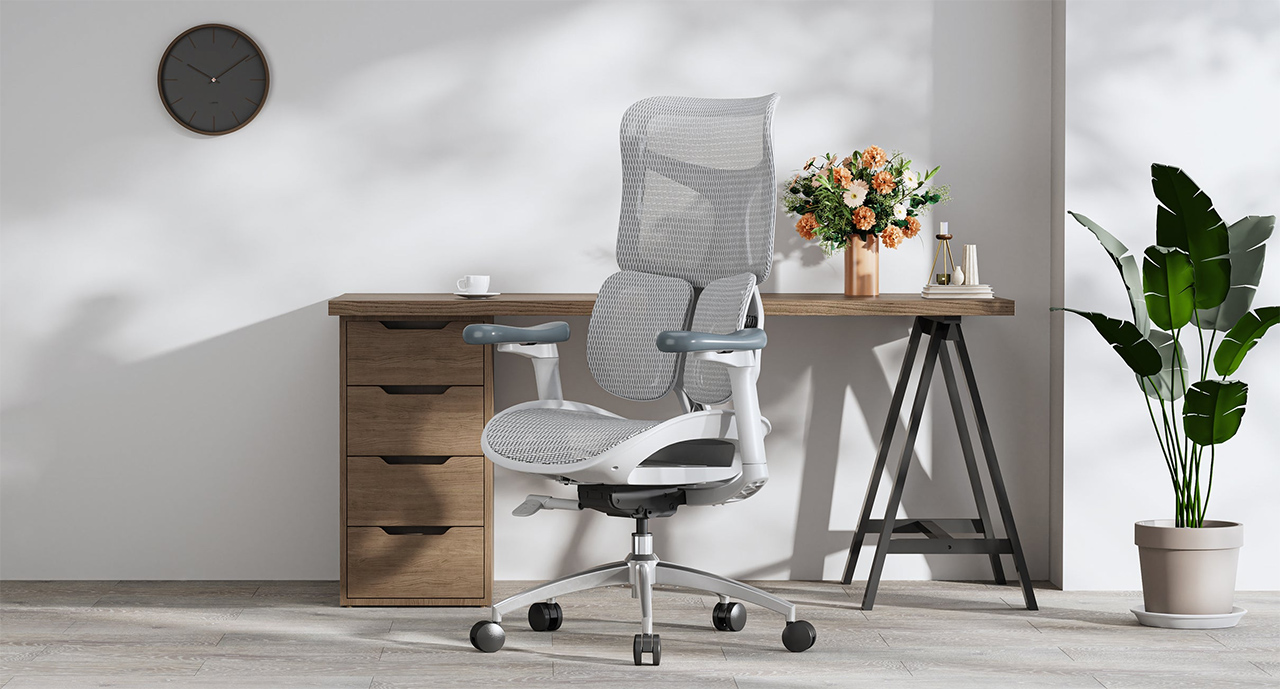
So, What Exactly Is the 90-90-90 Rule for Sitting?
At its core, the 90-90-90 rule is an ergonomic guideline for achieving a neutral and balanced sitting posture. It’s a simple memory aid that describes the ideal angles for your body to minimize strain on your joints and muscles. Think of it as the perfect starting position for your body at a desk.
The rule breaks down into three key 90-degree angles:
- Your Ankles: Your feet should be flat on the floor (or on a footrest), with your ankles bent at approximately a 90-degree angle. Your lower legs should be perpendicular to the floor.
- Your Knees: Your knees should also be bent at a 90-degree angle, with your thighs parallel to the floor. This ensures there isn’t too much pressure on the back of your thighs, which can restrict blood flow.
- Your Hips: Your hips should be bent at a 90-degree angle, with your torso upright and your back resting comfortably against the chair’s backrest.
Imagine your body as a set of building blocks. The 90-90-90 rule helps you stack those blocks in a way that creates a stable, strain-free structure.
Why This Simple Rule Matters So Much
You might be thinking, “Okay, angles, I get it. But does it really make a difference?” The answer is a resounding yes. Adopting this posture is about more than just looking proper; it’s about safeguarding your long-term health and boosting your daily productivity.
Key Benefits of Proper Sitting Posture:
- Reduces Back Pain: This is the big one. When you slouch, you put immense pressure on your lumbar spine. Following the 90-90-90 rule helps maintain the natural “S” curve of your spine, engaging your core and providing crucial support to your lower back.
- Minimizes Neck and Shoulder Strain: A proper hip and torso angle discourages you from craning your neck forward to see your screen. This keeps your head aligned over your shoulders, preventing the all-too-common “tech neck.”
- Improves Circulation: Bending your knees correctly and keeping your feet flat prevents the compression of blood vessels in your legs, promoting better circulation and reducing the risk of fatigue or numbness.
- Boosts Focus and Energy: When your body isn’t fighting against gravity and discomfort, it can allocate more energy to the task at hand. A comfortable posture leads to better focus, clearer thinking, and sustained productivity throughout the day.
“I often tell my patients that the 90-90-90 rule isn’t the end goal, but the essential starting line. It’s the foundation upon which good ergonomic habits are built. Master this, and you’ve already won half the battle against chronic desk-related pain.” – Dr. Emily Carter, Physical Therapist
Is the 90-90-90 Rule the Holy Grail of Sitting?
Here’s where a bit of expert nuance comes in. While what is the 90 90 90 rule for sitting is a fantastic guideline, it’s not a rigid law you must follow every second of the day. Modern ergonomics has evolved to embrace a concept called dynamic sitting.
Your body craves movement. Staying locked in any single position, even a “perfect” one, for hours on end can still lead to stiffness and discomfort. The 90-90-90 rule is your neutral, home-base posture. From there, you should be making small adjustments, stretching, and shifting your weight periodically. The best posture is your next posture.
Bảng trống.How to Achieve the Perfect 90-90-90 Posture: A Step-by-Step Guide
Ready to put the theory into practice? It all starts with setting up your workstation correctly. Simply trying to force this posture in a bad chair is like trying to run a marathon in flip-flops—it’s not going to end well. An adjustable ergonomic chair is your most important tool.
Here’s how to adjust your chair and desk to align with the 90-90-90 rule:
- Start with Your Feet: Sit on your chair and plant your feet firmly on the floor. If they dangle, your chair is too high. If your knees are pointing up towards the ceiling, it’s too low. If you’re on the shorter side and can’t lower the chair enough without your desk becoming too high, a footrest is your best friend. Your goal is a 90-degree angle at the ankles.
- Adjust Your Chair Height for Your Knees: Use the lever under your seat to raise or lower it until your thighs are parallel to the floor, creating that 90-degree bend at your knees. You should be able to slide a couple of fingers between the back of your knee and the edge of the chair seat.
- Sit Back and Support Your Spine: Scoot all the way back in your chair so your lower back makes firm contact with the lumbar support. This is crucial for maintaining your spine’s natural curve and achieving that 90-degree angle at your hips. Your back should feel supported, not strained.
- Position Your Armrests: Adjust your armrests so that your shoulders are relaxed, and your elbows are bent at—you guessed it—a 90 to 110-degree angle. Your forearms should be parallel to the floor as you type. This takes the strain off your shoulders and upper back.
- Align Your Monitor: Finally, position your monitor so the top of the screen is at or slightly below eye level. You shouldn’t have to tilt your head up or down to see it clearly. It should be about an arm’s length away.
Common Mistakes to Avoid
Even with the best intentions, it’s easy to get it wrong. Here are a few common pitfalls I see all the time:
- Perching on the Edge: Many people sit on the front half of their chair, completely negating the backrest and lumbar support. Always sit all the way back.
- Dangling Feet: This puts pressure on your thighs and strains your lower back. Use a footrest if necessary.
- Forgetting to Move: Remember, the 90-90-90 rule is a starting point. Set a timer to get up, stretch, and walk around for a few minutes every hour.
- Using the Wrong Chair: A non-adjustable chair forces your body to conform to it, rather than the other way around. Investing in a quality ergonomic chair is an investment in your health.
Ergonomic Chair vs. Standard Office Chair: What’s the Difference?
You can’t fully apply the 90-90-90 rule without the right equipment. Here’s a quick comparison of why a true ergonomic chair is essential.
| Feature | Ergonomic Chair | Standard Office Chair |
|---|---|---|
| Adjustability | Highly adjustable (height, armrests, seat depth, tilt, lumbar) to fit your body. | Limited or no adjustability; one-size-fits-all approach. |
| Lumbar Support | Features pronounced, often adjustable, support for the lower back’s natural curve. | Often has a flat back or minimal, non-adjustable cushioning. |
| Seat Depth | Allows you to change the seat depth to properly support your thighs without pressing into your knees. | Fixed depth, which can be too long or too short for many users. |
| Armrests | 3D or 4D adjustable (up/down, in/out, forward/back) to support your arms at the right height. | Fixed or only height-adjustable, often forcing shrugged shoulders. |
| Movement | Designed with mechanisms like synchro-tilt to encourage dynamic movement while staying supported. | Often has a rigid or basic rocking mechanism that provides poor support. |
Frequently Asked Questions
Q: How long should I sit in the 90-90-90 position?
A: Think of it as your default or “home base” posture. You should return to it often, but aim to change your position or get up and move every 30-60 minutes. Your body is designed for movement, not for staying static.
Q: Can I follow this rule in any chair, like a dining chair?
A: It’s very difficult. Most standard chairs aren’t adjustable, so they can’t be customized to your body’s specific dimensions. You might be able to use cushions or a footrest to get close, but it’s a compromised solution.
Q: What if I follow the rule but my back still hurts?
A: The 90-90-90 rule is a foundational piece of the puzzle, but not the whole picture. If pain persists, consider other factors: Is your monitor positioned correctly? Are you taking enough breaks? Is your chair providing adequate lumbar support? It may also be time to consult a physical therapist.
Q: Is the 90-90-90 rule still relevant with standing desks?
A: Absolutely! The core principles of alignment still apply. When standing, your head should be over your shoulders, which are over your hips, which are over your ankles. The goal is always to achieve a neutral, strain-free posture, whether sitting or standing.
Your First Step to a Healthier Workday
Understanding what is the 90 90 90 rule for sitting is more than just learning an ergonomic buzzword; it’s about empowering yourself with the knowledge to protect your body from the strains of modern work life. It’s a simple, powerful framework that, when combined with the right ergonomic chair and a habit of regular movement, can transform your comfort, focus, and overall well-being. Stop letting your desk dictate how you feel. It’s time to take control of your posture and invest in your health—your back will thank you for it.