Let’s be real for a moment. We’ve all been there. You’re deep in focus, crushing your to-do list, and you shift in your seat only to feel it—that sticky, damp sensation on your back. Your chair has turned into a personal sauna. If you’re wondering What Is The Best Material For Breathability to avoid this uncomfortable “swamp back” phenomenon, you’ve come to the right place. Choosing the right material isn’t just about looks; it’s a critical ergonomic decision that directly impacts your comfort, focus, and even your long-term health. Forget the distracting discomfort; let’s find a chair that lets you and your skin breathe.
Why Does Breathability in a Chair Even Matter?
You might be thinking, “It’s just a chair, how important can airflow be?” The answer is: extremely important. Your body naturally regulates its temperature by releasing heat and moisture. When you’re sitting for hours on end, a non-breathable material traps that heat and sweat against your body.
This leads to a few not-so-great outcomes:
- Discomfort and Distraction: Feeling hot, sticky, and sweaty is incredibly distracting. It pulls you out of your workflow and makes it hard to concentrate.
- Poor Thermoregulation: Your body has to work harder to cool down, which can lead to fatigue. A breathable chair aids in this natural process, keeping your body temperature more stable.
- Hygiene Concerns: Trapped moisture can become a breeding ground for bacteria and odors over time, which isn’t ideal for your workspace or your chair’s longevity.
Essentially, a breathable chair works with your body, not against it, creating a more comfortable and productive seating experience.
The Main Event: A Deep Dive into Chair Materials
When searching for what is the best material for breathability, you’ll quickly find there are a few key players in the game. Each has its own unique set of pros and cons. Let’s break them down.
Mesh: The Undisputed Champion of Airflow
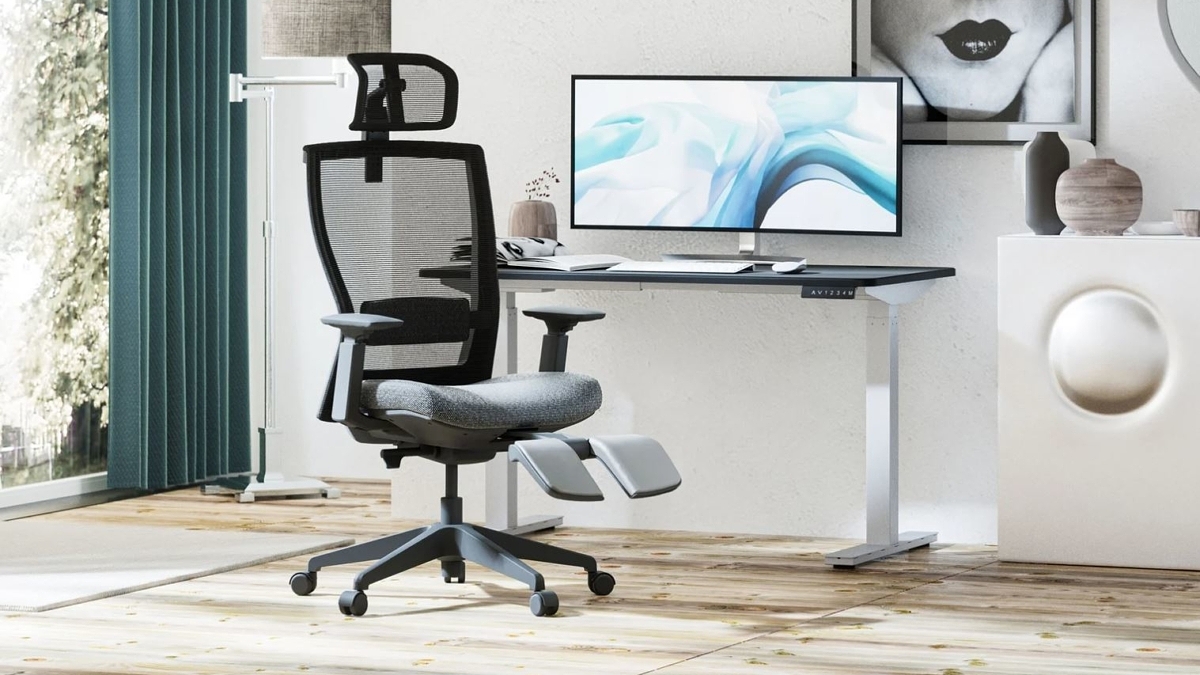
If breathability is your number one priority, mesh is your champion. Think of it like high-performance athletic wear for your office chair. It’s an open-weave material that allows air to circulate freely, effectively preventing any heat or moisture buildup.
- Pros:
- Unmatched Airflow: Nothing beats mesh for ventilation. It keeps you cool and dry, even during long work or gaming sessions on a hot day.
- Conforming Support: High-quality mesh can be flexible yet supportive, contouring to your body’s unique shape to distribute weight evenly and reduce pressure points.
- Easy Maintenance: Spills are generally less of a disaster on mesh. It’s relatively easy to clean and dries quickly.
- Modern Aesthetic: Mesh chairs often have a sleek, contemporary look that fits well in modern office environments.
- Cons:
- Quality Varies Wildly: Cheap, low-quality mesh can sag over time, losing its supportive properties. It can also be abrasive on clothing. Always look for high-tensile, quality mesh.
- Can Feel Too Firm: Some people find the suspension-like feel of mesh to be less cozy or plush than a traditional cushioned seat.
Fabric: The Cozy and Versatile Classic
Fabric chairs are the familiar, comfortable standard we see in many offices. They offer a softer, more traditional feel. But how do they stack up on the breathability front? It depends entirely on the type of fabric.
- Pros:
- Comfort and Softness: Fabric provides a cushioned, welcoming feel that many people prefer.
- Variety of Options: It comes in a vast array of colors, textures, and patterns to match any decor.
- Good for Colder Climates: A fabric chair can feel warmer and cozier than mesh, which can be a plus in an air-conditioned office or a cooler region.
- Cons:
- Variable Breathability: A loose, natural weave will be far more breathable than a tight, synthetic polyester. Generally, fabric is less breathable than mesh and will trap more heat.
- Absorbs Spills and Odors: Fabric is like a sponge. Spills can stain easily, and it can hold onto dust and odors, requiring more intensive cleaning.
- Can Trap Heat: While better than leather, most fabrics will still trap a significant amount of heat compared to mesh, especially those with dense foam padding underneath.
Leather (Genuine and PU): The Executive Look
Leather chairs scream “luxury” and “authority.” They have a premium look and feel that’s hard to beat. However, when it comes to the question of what is the best material for breathability, leather is at the bottom of the list.
- Pros:
- Premium Aesthetic: A leather chair adds a touch of sophistication and class to any office.
- Durability: High-quality genuine leather is incredibly durable and can last for decades if cared for properly.
- Easy to Wipe Clean: Surface spills are easily wiped away without staining.
- Cons:
- Poor Breathability: This is leather’s biggest downfall. It traps heat and doesn’t allow moisture to escape, leading to that sticky, sweaty feeling. Think of wearing a leather jacket on a warm day.
- Temperature Sensitive: Leather feels cold in the winter and can get uncomfortably hot and sticky in the summer.
- Higher Cost and Maintenance: Genuine leather is expensive and requires regular conditioning to prevent it from cracking. PU (polyurethane) or “vegan” leather is cheaper but can peel and crack over time.
Expert Take: As Dr. Evelyn Reed, a leading occupational therapist, often states, “The ideal seating environment minimizes physical distractions. A chair that causes you to overheat is a significant distraction. While aesthetics are important, your primary focus should be on materials that support your body’s natural thermoregulation, and for that, a quality mesh is often the superior clinical choice.”
So, What is the Best Material for Breathability, Really?
The best material for breathability in an ergonomic chair is, without a doubt, a high-quality mesh. Its open-weave design provides unparalleled air circulation, actively preventing heat and moisture buildup to keep you cool, dry, and focused throughout your workday.
Here’s a quick comparison to help you visualize the differences:
| Feature | Mesh | Fabric | Leather (Genuine & PU) |
|---|---|---|---|
| Breathability | Excellent | Fair to Good | Poor |
| Initial Comfort | Good (Firm Support) | Excellent (Soft & Cushioned) | Very Good (Plush) |
| Maintenance | Easy | Moderate | Moderate to High |
| Durability | Good to Excellent | Good | Excellent (Genuine) |
| Aesthetics | Modern, Minimalist | Traditional, Versatile | Executive, Classic |
| Best For | Hot climates, long hours | General use, comfort-focused | Style, easy cleaning |
Beyond the Material: Other Factors for Cool Comfort
While the surface material is key, it’s not the only thing that affects how hot you feel. The best chair will combine a breathable material with other smart design choices.
- Cushioning: For fabric or mesh chairs with a foam seat pan, the type of foam matters. High-density, open-cell foam will allow for better air circulation than cheap, dense foam that compresses and traps heat.
- Chair Design: A chair with an open, minimalist frame will naturally promote more airflow around your body than a bulky, overstuffed design.
- Adjustability: Proper adjustment is key to comfort. When your ergonomic chair is adjusted correctly, your posture improves, which can also improve circulation and overall comfort.
Common Mistakes to Avoid
When you’re on the hunt, it’s easy to get sidetracked. Here are a few common pitfalls to steer clear of:
- Choosing Looks Over Function: Don’t fall for a beautiful leather chair if you know you run hot or live in a warm climate. Prioritize your physical comfort.
- Ignoring Mesh Quality: Assuming all mesh is created equal is a huge mistake. Test it if you can. It should feel strong and supportive, not flimsy or scratchy.
- Forgetting the Seat: Many “mesh back” chairs have a thick foam fabric seat. While this is a good compromise for some, be aware that the seat will still be less breathable than the backrest.
Frequently Asked Questions
Q: Is mesh comfortable for long hours?
A: Yes, high-quality, supportive mesh is excellent for long hours. It prevents pressure points by distributing weight evenly and keeps you cool, which reduces fatigue. Cheap, sagging mesh, however, will be very uncomfortable.
Q: Will a mesh chair damage my clothes?
A: Low-quality, abrasive mesh can cause pilling on delicate fabrics over time. However, premium, soft-touch mesh used by reputable brands is designed to be smooth and is very unlikely to damage clothing.
Q: How do I clean a mesh chair?
A: Cleaning a mesh chair is simple. For dust, use a vacuum with a brush attachment. For light stains, use a cloth with mild soap and water. Always check the manufacturer’s cleaning instructions first.
Q: Are there any breathable fabric chairs?
A: Yes, chairs upholstered in natural fibers like wool or high-tech, porous synthetic weaves can offer decent breathability. They won’t match the airflow of mesh but are a significant improvement over dense polyesters or leather.
Q: I get cold easily, is mesh a bad choice for me?
A: Not necessarily. While mesh won’t retain heat, your room temperature and clothing are bigger factors. If your office is consistently cold, a high-quality fabric chair might feel cozier, but a mesh chair won’t actively make you colder.
Your Comfort Is an Investment
Choosing a chair is a major decision. You’re going to spend thousands of hours in it, and your choice will directly impact your daily comfort and productivity. When asking what is the best material for breathability, the evidence clearly points toward high-quality mesh. By investing in a chair that allows your body to breathe, you’re not just buying a piece of furniture; you’re investing in your focus, your well-being, and your ability to do your best work without distraction. Prioritize your health, stay cool, and let your productivity soar.