Let’s be real for a moment. That 3 PM slump hits hard, doesn’t it? Your lower back is staging a protest, your shoulders are hunched up to your ears, and your focus has officially left the building. Many of us blame the workload, but often, the real culprit is hiding in plain sight: your chair. If you’re wondering What To Look For In An Ergonomic Chair, you’re already on the right path to transforming your workday from a pain in the neck (literally) to a peak of productivity and comfort. This isn’t just about buying a new piece of furniture; it’s about investing in your long-term health.
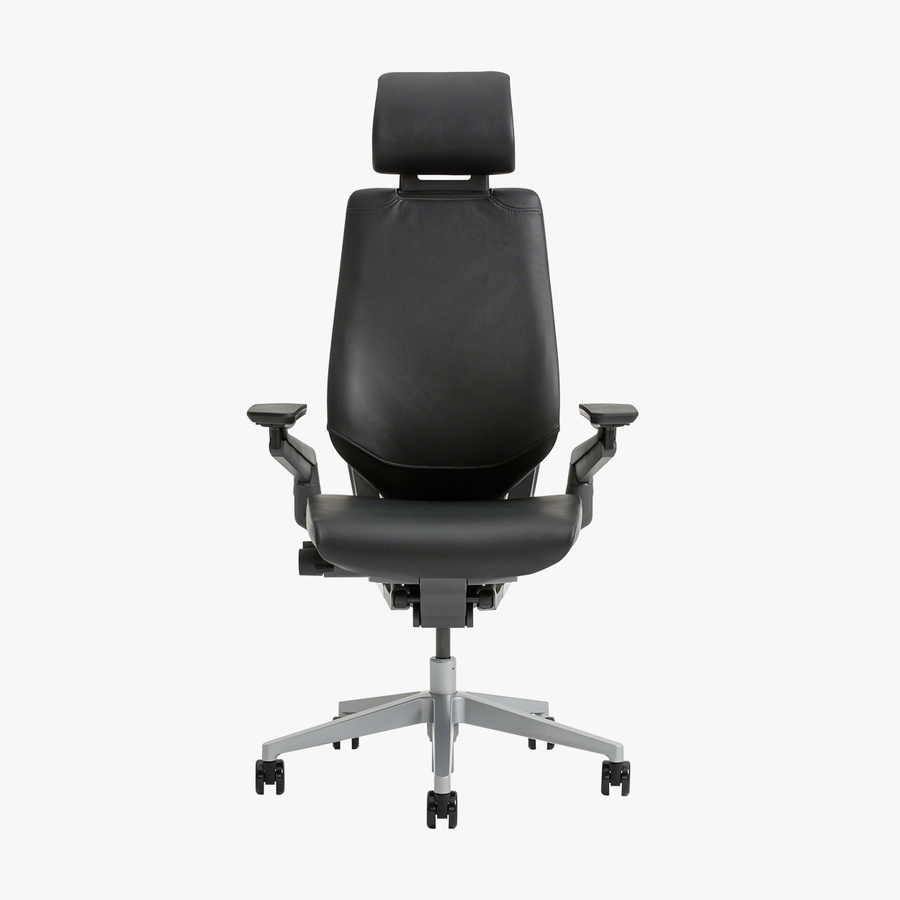
So, What Exactly is an Ergonomic Chair and Why Do I Need One?
An ergonomic chair is a chair designed to support the human body in the best possible way, considering posture, comfort, support, and health. Think of it this way: a standard office chair is like a one-size-fits-all t-shirt. It might fit, but it’s not doing you any favors. An ergonomic chair is like a tailored suit—it’s designed to conform to you.
Its primary job is to promote good posture and reduce the health risks associated with sitting for long periods. By providing proper support, it minimizes the stress on your spine, neck, and hips, which is something a simple, non-adjustable chair just can’t do.
The Game-Changing Benefits for Your Health and Productivity
Investing in a proper ergonomic chair isn’t a luxury; it’s a strategic move for your well-being and work performance. The right chair can be a total game-changer.
- Supercharged Posture Support: The core benefit is maintaining the natural “S” curve of your spine. This prevents slouching and the dreaded forward-head posture that leads to chronic pain.
- Kiss Back Pain Goodbye: With features like adjustable lumbar support, these chairs provide targeted relief to the lower back, one of the most common areas of discomfort for desk workers.
- Boosted Productivity and Focus: When you’re not constantly shifting around trying to get comfortable or distracted by nagging aches, your brain is free to focus on the task at hand. Comfort equals concentration.
- Reduced Pressure on Hips: A good ergonomic chair distributes your body weight evenly, preventing excessive pressure on your hips and buttocks.
- Improved Blood Circulation: Proper leg and arm positioning prevents the compression of limbs, allowing for healthier blood flow and reducing the risk of numbness or swelling.
The Non-Negotiables: What to Look For in an Ergonomic Chair
Alright, let’s get down to the nitty-gritty. When you’re shopping around, it’s easy to get overwhelmed by jargon and features. Here are the absolute must-haves—the non-negotiable elements of a truly great ergonomic chair.
Adjustability is King
If a chair isn’t adjustable, it’s not truly ergonomic. You need to be able to tailor it to your unique body shape and size. The more adjustment points, the better.
- Seat Height: Your feet should rest flat on the floor with your knees at a 90-degree angle, level with or slightly below your hips. The chair must adjust to make this possible.
- Seat Depth: You should be able to sit with your back against the backrest while leaving about 2-4 inches between the back of your knees and the edge of the seat. This prevents pressure on your nerves and blood vessels.
- Backrest Recline: A dynamic backrest that allows you to recline is crucial for shifting your weight and relieving pressure on your spinal discs throughout the day. Look for a tension control knob and a lock mechanism.
Lumbar Support: The Unsung Hero
Your lower back (the lumbar region) has a natural inward curve. A chair without proper support forces this curve to flatten, leading to strain and pain.
“Proper lumbar support is the cornerstone of a healthy sitting posture,” explains Dr. Emily Carter, a renowned physical therapist. “It maintains the natural curvature of the spine, which drastically reduces the load on the spinal discs and the surrounding muscles. It’s not a feature to be overlooked.”
Look for lumbar support that is adjustable in both height (up and down) and depth (in and out) to fit the precise curve of your back.
Armrests: More Than Just a Place to Rest Your Arms
Armrests do more than their name suggests. They take the strain off your shoulders and neck.
- 4D Armrests are the Gold Standard: Look for armrests that adjust in height, width, depth (forward/backward), and pivot (angle in/out). This allows you to position them so your shoulders are relaxed and your elbows are bent at a comfortable 90-degree angle.
The Right Materials and Build Quality
A chair is an investment, so you want it to last.
- Breathable Mesh vs. Cushioned Fabric: Mesh backs offer excellent breathability, which is great for keeping you cool. High-quality foam or fabric cushions provide a softer feel. This often comes down to personal preference, but ensure the material is durable.
- Sturdy Base and Smooth Casters: A five-point base made of steel or heavy-duty nylon provides stability. The casters (wheels) should glide smoothly over your type of flooring, whether it’s carpet or a hard surface.
How to Set Up Your Ergonomic Chair: A Step-by-Step Guide
Getting the chair is only half the battle. Setting it up correctly is what unlocks its full potential. Follow these steps, starting from the ground up:
- Adjust Seat Height: Stand in front of your chair. Adjust the height so the highest point of the seat cushion is just below your kneecap. Now sit down. Your feet should be flat on the floor.
- Set the Seat Depth: Sit all the way back. Slide the seat pan forward or backward until you can fit three fingers between the back of your knee and the edge of the seat.
- Dial in the Lumbar Support: Move the lumbar support up or down so it fits comfortably in the small of your back. If it has depth adjustment, push it forward until you feel gentle but firm support.
- Position the Backrest Angle: For focused work, set the backrest to a mostly upright position (around 100-110 degrees). Use the recline feature for taking short breaks.
- Adjust the Armrests: Lower or raise the armrests until your elbows are at a 90-degree angle when your shoulders are relaxed. Your wrists should be straight when typing.
- Set the Headrest (if you have one): Adjust the headrest to support the curve of your neck, just at the base of your skull. This is most useful when you’re in a reclined position.
Common Mistakes to Avoid When Buying and Using Your Chair
- The “One-Size-Fits-All” Fallacy: Don’t buy a chair without checking its height and weight specifications. A chair designed for someone 5’5″ won’t work for someone who is 6’2″.
- Forgetting to “Test Drive”: If possible, try a chair before you buy it. If you’re buying online, look for brands with a generous trial period and return policy.
- “Set It and Forget It”: Your body’s needs can change throughout the day. Don’t be afraid to make minor adjustments to your chair’s settings as you work. Dynamic sitting is healthy sitting.
Ergonomic vs. Standard Office Chairs: A Quick Showdown
| Feature | Standard Office Chair | Ergonomic Chair |
|---|---|---|
| Adjustability | Limited (usually just height) | Highly Adjustable (height, depth, back, arms, lumbar) |
| Support | Basic, generic padding | Targeted, science-backed support for spine & joints |
| Movement | Static, encourages a fixed posture | Dynamic, encourages movement and posture changes |
| Long-Term Cost | Cheaper upfront, potential health costs later | Higher upfront investment, saves on health issues |
| Focus | Basic function of sitting | Health, comfort, and productivity |
Your Ultimate Ergonomic Chair Buyer’s Checklist
Use this checklist to make sure you’re covering all your bases when searching for your perfect chair.
- [ ] Seat Height Adjustment: Does it fit your height?
- [ ] Seat Depth Adjustment: Can you achieve the “three-finger” rule?
- [ ] Adjustable Lumbar Support: Can you adjust its height and depth?
- [ ] Adjustable Backrest Recline: Does it recline and lock into place?
- [ ] 4D Adjustable Armrests: Do they move up/down, in/out, forward/back, and pivot?
- [ ] Quality Materials: Does it feel durable and breathable?
- [ ] Stable 5-Point Base: Does it feel secure?
- [ ] Appropriate Casters: Are the wheels right for your floor?
- [ ] Good Warranty & Return Policy: Does the company stand by its product?
Frequently Asked Questions
How much should I expect to spend on a good ergonomic chair?
A quality ergonomic chair is an investment. While you can find budget options, a reliable, highly adjustable chair with a good warranty typically starts around $300 and can go well over $1,500 for premium models. Think of it as an investment in your health that pays dividends for years.
Do I really need a headrest on my ergonomic chair?
A headrest is most beneficial if you recline frequently to rest or think. For constant upright, task-focused work, it’s less critical. However, it provides excellent support for your neck and upper spine during breaks, which can help reduce tension.
How long does it take to get used to an ergonomic chair?
It can take a few days to a couple of weeks. If you’ve been slouching for years, sitting with correct posture might feel strange or even slightly uncomfortable at first as your muscles adapt. Be patient and make small adjustments as needed.
Can an ergonomic chair fix my bad posture?
An ergonomic chair is a powerful tool, but it can’t magically fix your posture on its own. It enables and encourages correct posture. You still need to be mindful of how you sit. The chair provides the support system to make good posture the easiest and most comfortable option.
Are gaming chairs considered ergonomic?
Some gaming chairs incorporate ergonomic features, but many prioritize a “racing seat” aesthetic over science-backed design. A true ergonomic office chair is almost always a better choice for long hours of desk work, as its design is focused purely on support and adjustability rather than style.
The Bottom Line
Choosing the right office chair is one of the most impactful decisions you can make for your daily well-being. By understanding what to look for in an ergonomic chair, you’re empowering yourself to move beyond mere comfort and actively support your body’s health. It’s not just a chair; it’s your partner in productivity, your guard against chronic pain, and a daily investment in a healthier, more focused you. Your back will thank you for it.