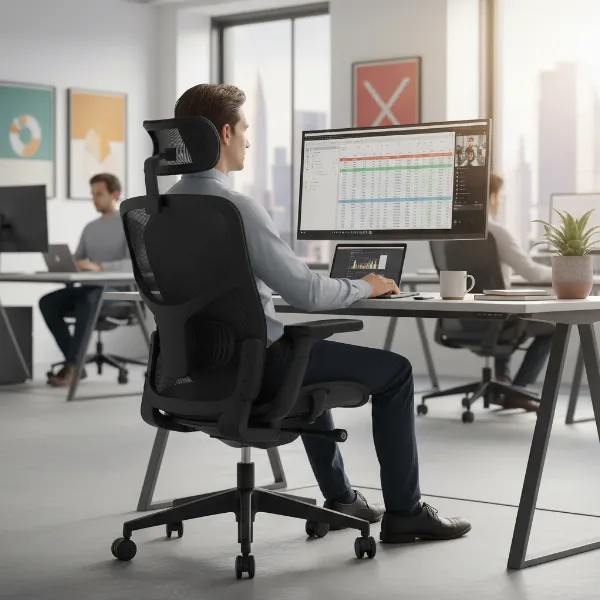
Few things are as frustrating as settling into your ergonomic office chair, ready for a productive workday, only to find yourself gradually sinking towards the floor. This “phantom sinking” doesn’t just disrupt your concentration; it actively undermines the very benefits your ergonomic chair is designed to provide, jeopardizing your posture, comfort, and long-term health. Understanding why your chair loses height and knowing how to effectively fix the issue is crucial for maintaining an optimal workspace and protecting your well-being. This guide will delve into the mechanics behind a sinking chair, explain the health implications, and provide both temporary DIY solutions and a permanent fix for the faulty cylinder.
1. Understanding Your Ergonomic Chair’s Height Mechanism
Ergonomic office chairs are engineered to support a healthy sitting posture, and central to this function is the ability to adjust and maintain height. This critical adjustment mechanism relies almost entirely on a single component: the pneumatic gas lift cylinder.
1.1. The Role of the Pneumatic Gas Lift Cylinder
|
Our Picks for the Best Ergonomic Chair in 2026
As an Amazon Associate I earn from qualifying purchases.
|
||
| Num | Product | Action |
|---|---|---|
| 1 | PatioMage Ergonomic Office Chair, Big and Tall Desk Chair with Adjustable Lumbar Support & Seat Depth, High Back Computer Chair, Swivel Mesh Chairs with Wheels for Home Office, Black |

|
| 2 | Ergonomic Office Chair with Footrest - Adjustable Lumbar Support & Headrest, 90-160° Reclining Mesh Back Computer Chair - Home Office/Gaming, 350lbs Capacity (SGS Certified) |
|
| 3 | TRALT Office Chair Ergonomic Desk Chair, 330 LBS Home Mesh Office Desk Chairs with Wheels, Comfortable Gaming Chair, High Back Office Chair for Long Hours (Black) |
|
| 4 | Ergonomic Office Chair with Footrest - Adjustable Lumbar Support & Headrest, 90-160° Reclining Mesh Back Computer Chair - Home Office/Gaming, 350lbs Capacity (SGS Certified) |
|
| 5 | Fizzin Ergonomic Office Chair, 400 LBS Computer Chairs with Adjustable Lumbar Support, Breathable Mesh Desk Chair Ergonomic with Thickened Cushion, Comfy Home Office Desk Chair (Black) |
|
| 6 | Marsail Ergonomic Office Chair Ergonomic Gaming Chair with Lumbar Support, 2D Headrest, Adjustable Armrests, Contoured Seat Cushion, Computer Desk Chair with Wheels for Home and Office |
|
| 7 | Ergonomic Office Chair, Mesh Seat Cushion with 3D Armrests and 3D Headrest, Adjustable Lumbar Support with 90-120° Rocking Function, SGS Class 4 Gas Clylinder, Black |
|
| 8 | Sweetcrispy Office Computer Desk Chair, Ergonomic High-Back Mesh Rolling Work Chairs with Wheels and Adjustable Headrests, Comfortable Lumbar Support, Comfy Flip-up Arms for Home, Bedroom, Study,Black |
|
| 9 | TRALT Office Chair - Ergonomic Desk Chair with Adjustable Lumbar Support, Mesh Computer Chair, Executive Chairs for Home Office Comfortable Lumbar Support (Black) |
|
| 10 | Marsail Ergonomic Office Chair: Office Desk Chair with High Back Mesh and Adjustable Lumbar Support Rolling Work Swivel Task Chairs with Wheel 3D Armrests and Headrest |
|
At its core, a pneumatic gas lift cylinder is a self-contained unit filled with pressurized nitrogen gas. When you operate the chair’s height lever, a valve opens, allowing gas to move between chambers. Applying weight pushes the piston down, compressing the gas and lowering the chair. Releasing weight allows the compressed gas to expand, pushing the piston up and raising the chair. This ingenious system provides smooth, effortless height adjustments and a crucial “bounce” that absorbs the initial impact of sitting.
1.2. The Importance of Proper Ergonomic Height
A properly adjusted ergonomic chair ensures your feet are flat on the floor or a footrest, your knees are at a 90-degree angle, and your forearms are parallel to the desk. This optimal “Ergonomic Triangle” between your chair, desk, and monitor promotes a neutral posture, distributing weight evenly and minimizing strain. When your chair sinks, it throws this entire alignment off, immediately compromising your ergonomic setup and introducing a cascade of potential issues.
2. Why Your Office Chair Keeps Sinking: Common Causes of Cylinder Failure
The primary culprit behind a sinking office chair is almost always a failing gas lift cylinder. While designed for durability, these components are not immune to wear and tear. Several factors contribute to their eventual failure, preventing the chair from holding its set height.
2.1. Degraded Internal Seals and Gas Leaks
The most frequent point of failure in a pneumatic cylinder is the degradation of its internal seals. Over time, constant pressure cycles, friction, and microscopic gaps between the piston and cylinder wall can lead to “seal nibbling,” where the seal material slowly wears away. Once these seals are compromised, nitrogen gas, which is under high pressure, begins to leak from the cylinder. With insufficient internal pressure, the cylinder can no longer support your weight effectively, causing the chair to gradually or suddenly sink.
2.2. Contaminant Ingress
While gas cylinders are often considered “lubed for life,” external contaminants can significantly accelerate seal failure. Dust, dirt, pet hair, and carpet fibers can cling to the lubricated piston rod. When the chair is lowered, these abrasive particles are pulled into the seal housing, effectively sandpapering the seals and breaking down the airtight environment. This is a common issue, especially in home office environments with carpets.
2.3. Mechanical Overload and Floor Surface Interaction
Every gas lift cylinder has a rated weight capacity, typically aligned with industry standards like ANSI/BIFMA X5.1. Consistently exceeding this weight limit, or subjecting the chair to frequent “shock loads” (such as dropping heavily into the seat), increases internal pressure beyond the seal’s design limits, leading to premature failure. Furthermore, the type of floor surface can also play a role. Technicians have observed that chairs used on high-pile carpet tend to fail faster than those on hard surfaces, as carpet fibers generate more static dust and can wrap around the cylinder base, accelerating wear on the bottom seal.
3. The Health and Productivity Impact of a Sinking Chair
Ignoring a sinking office chair is more than just an inconvenience; it’s a direct threat to your musculoskeletal health and overall work efficiency. The subtle descent can have significant negative long-term consequences.
3.1. Compromised Ergonomic Posture
As your chair sinks, the carefully calibrated “Ergonomic Triangle” between your chair, desk, and monitor is disrupted. Your elbows rise relative to the desk, forcing your wrists into extension and your shoulders into an unnatural shrugging posture. This deviation from a neutral position places increased static load on your upper trapezius and forearm muscles, setting the stage for discomfort and injury.
3.2. Increased Risk of Musculoskeletal Issues
Persistent use of a chair that fails to maintain height can contribute to various musculoskeletal disorders (MSDs). These include increased strain on the lower back and neck, chronic back pain, and the accelerated onset of Repetitive Strain Injuries (RSI) in the wrists, arms, and shoulders. Additionally, a seat that is too low can cause the backs of your thighs to press uncomfortably against the seat edge, potentially impeding blood circulation in your lower limbs.
3.3. Reduced Focus and Productivity
Constant discomfort and the need to manually readjust your chair can severely disrupt your “flow state” during work. This cognitive friction breaks concentration, leads to unnecessary interruptions, and ultimately reduces your overall focus and productivity. An uncomfortable setup makes it harder to concentrate on tasks, directly impacting your work quality and output.
4. How to Fix Your Sinking Office Chair Cylinder: DIY Solutions
If your office chair has started to sink, you have several options to temporarily fix the issue or permanently resolve it. Temporary DIY solutions are excellent for immediate relief, while cylinder replacement offers a lasting repair.
4.1. Temporary Fixes to Maintain Height
These methods involve physically blocking the cylinder from retracting, effectively locking your chair at a fixed height. While they restore height, they will disable the chair’s adjustable pneumatic function.
The Hose Clamp Method
This is a popular and straightforward fix that uses a standard hardware store item.
- Materials: A ¾ inch (2 cm) hose clamp (also known as a Jubilee Clip), a flathead screwdriver or nut driver.
- Steps:
- Expose the Cylinder: Slide any plastic skirt or cover tubes on the central cylinder either up or down to fully reveal the metal piston rod.
- Set Desired Height: Raise your chair to your preferred working height. If the chair won’t stay up, lay it on its side to hold its position while you work.
- Wrap and Tighten: Loosen the screw on the hose clamp and wrap the metal band around the exposed metal piston rod, just below the seat mechanism or at the lowest point of the exposed cylinder.
- Secure the Clamp: Slide the clamp to the top of the cylinder’s exposed portion and pull it tight. Use your screwdriver or nut driver to fasten the screw as much as possible, ensuring the clamp cannot slide down.
- Tips for Better Grip: To prevent the clamp from slipping, you can wrap a strip of rubber (like from an old bicycle inner tube) or a few layers of duct tape around the cylinder before applying the clamp. Cleaning off any lubricant or grease from the cylinder area where you are clamping can also improve grip.
The PVC Pipe Spacer Method
This method uses a piece of PVC pipe as a sturdy physical spacer.
- Materials: PVC pipe (around 1.5 inches / 3.8 cm in diameter, similar to your cylinder), a hacksaw or PVC cutting tool.
- Steps:
- Measure: Extend your chair to the desired height. Measure the length of the exposed metal piston rod from the chair base to the seat mechanism.
- Cut the Pipe: Cut a piece (or multiple pieces) of PVC pipe to this measured length. For easier installation, you can cut the pipe lengthwise down one side, creating a C-shape.
- Place the Spacer: Slide the cut PVC pipe over the exposed cylinder, snapping it into place if you cut it lengthwise. If you didn’t cut it, you’ll need to remove the chair’s base and wheels to slide the pipe over the cylinder, then reassemble. This pipe will now prevent the chair from sinking below that height.
The Shaft Collar Method
Shaft collars are designed to precisely lock components onto a shaft and can be an effective, albeit slightly more expensive, temporary fix.
- Materials: One or two shaft collars (matching your cylinder’s diameter), an Allen wrench.
- Steps:
- Expose and Set Height: Similar to the hose clamp method, expose the metal piston rod and set your chair to the desired fixed height.
- Install Collars: Slide one or two shaft collars over the exposed piston rod, positioning them just beneath the seat mechanism.
- Tighten: Use the Allen wrench to tighten the screws on the shaft collars securely around the cylinder. Ensure they are tight enough to prevent slipping but do not overtighten to avoid damaging the cylinder surface.
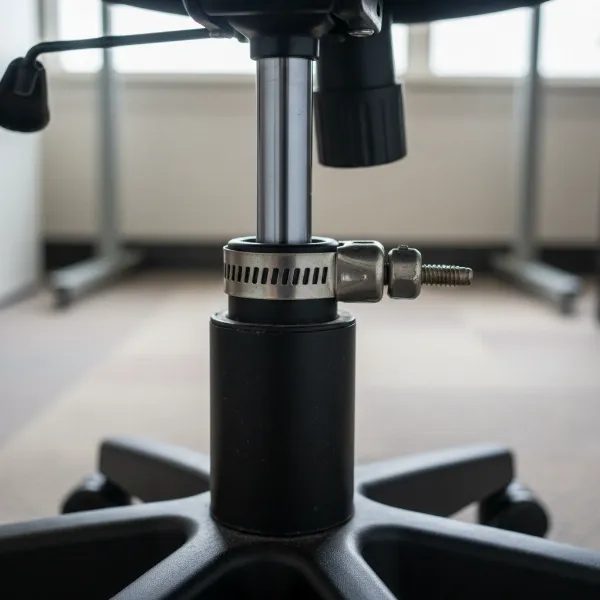 A close-up of an office chair's gas lift cylinder with a metal hose clamp tightened around the exposed silver piston rod, holding it at a fixed height.
4.2. Permanent Solution: Replacing the Gas Lift Cylinder
While temporary fixes can provide immediate relief, replacing the entire gas lift cylinder is the only way to fully restore your chair’s original height adjustment functionality and “bounce.” This is a more involved DIY project but can extend the life of an otherwise perfectly good chair.
When to Consider Replacement
You should consider replacing your cylinder if:
- Temporary fixes don’t hold or are too inconvenient.
- You want to restore full height adjustability.
- The chair itself is still in good condition and worth the investment. A replacement cylinder can cost around $30, which is often significantly less than a new ergonomic chair.
Step-by-Step Replacement Guide
Safety Warning: Gas cylinders contain high-pressure nitrogen gas. Never attempt to open, puncture, or disassemble a sealed cylinder, as it can be hazardous.
- Tools Required: Pipe wrench (preferably with rubber jaws or a cloth to protect finishes), rubber mallet, flathead screwdriver, new BIFMA-certified replacement cylinder.
- Removal:
- Separate the Chair Base: Turn the chair upside down. Using a rubber mallet, firmly strike the center of the chair base, around where the cylinder meets it. The base should gradually loosen and slide off the bottom of the cylinder.
- Detach Cylinder from Seat Mechanism: With the base removed, you’ll see the top of the cylinder inserted into the seat mechanism. Use a pipe wrench to grip the top of the old cylinder tightly. Twist and pull while applying upward pressure until it releases from the seat mechanism. If it’s stuck due to years of use, apply a small amount of penetrating oil to the joints and let it sit for about 15 minutes before trying again.
- Installation:
- Insert New Cylinder: Insert the tapered end of the new cylinder into the hole in the center of the chair base. It should fit snugly.
- Reattach Seat: Align the top of the new cylinder with the hole in the seat mechanism. Carefully lower the seat onto the cylinder.
- Secure: Once the cylinder is in place, sit on the chair and gently bounce a few times to use your body weight to “press-fit” the components together securely. Test the height adjustment.
Choosing the Right Replacement Cylinder
Not all cylinders are universal. When purchasing a replacement, consider:
- Class Rating: Cylinders are typically rated Class 1 to Class 4, with Class 4 being the most durable and highest weight capacity. For heavier users or prolonged use, a Class 4 cylinder is a preventative maintenance strategy.
- Length/Diameter: Measure your existing cylinder’s visible length and diameter to ensure compatibility.
- BIFMA Certification: Look for BIFMA (Business and Institutional Furniture Manufacturers Association) certified cylinders, which indicates they meet rigorous safety and performance standards.
5. Proactive Maintenance to Prevent Future Sinking
While eventual wear and tear are inevitable, regular maintenance can significantly extend the life of your ergonomic chair’s gas lift cylinder and prevent premature sinking.
5.1. Regular Cleaning of the Piston Rod
Dust, dirt, and pet hair are major culprits in seal degradation. Monthly, wipe down the visible silver piston rod with a dry, lint-free cloth to remove any accumulated debris. This simple step helps prevent contaminants from being drawn into the seal housing when the chair is lowered.
5.2. Checking and Tightening Seat Mechanism Bolts
Quarterly, inspect and tighten the bolts that connect the seat to the underlying mechanism. Loose bolts can cause the chair to tilt or wobble, putting uneven pressure and lateral stress on the cylinder seals. Ensuring a stable connection helps the cylinder operate smoothly and maintain its integrity.
5.3. Inspecting Casters and Chair Base
Annually, turn your chair over and inspect the casters (wheels) and the chair base for any accumulated hair, lint, or debris that might impede movement. While not directly linked to cylinder failure, a clean, smoothly rolling base reduces overall stress on the chair’s components, including the gas lift.
5.4. Adhering to Weight Limits
Always be mindful of your ergonomic chair’s specified weight limit. Consistently exceeding this limit puts excessive strain on the gas cylinder and its internal seals, accelerating wear and increasing the likelihood of failure. Invest in a chair with a higher class cylinder (e.g., Class 4) if you anticipate heavy usage or are a heavier individual. Using a high-quality chair mat, especially on carpeted floors, can also reduce stress on the cylinder by allowing casters to roll smoothly and minimizing contaminant ingress.
A stable, height-adjustable ergonomic chair is the bedrock of a healthy and productive workspace. When your office chair starts to sink, it’s a clear signal that its vital gas lift cylinder is failing, compromising your posture and potentially leading to discomfort and long-term health issues. By understanding the underlying causes—primarily degraded seals and contaminant ingress—you are empowered to choose the right solution. Whether you opt for a practical temporary fix like a hose clamp or commit to a full cylinder replacement for restored functionality, addressing this issue proactively is an investment in your musculoskeletal health and daily efficiency. Don’t let a sinking chair pull down your productivity; take action today.
Frequently Asked Questions
How long does an office chair gas cylinder typically last?
The lifespan of an office chair gas cylinder can vary greatly depending on quality, usage, and weight load. On average, a standard Class 2 or 3 cylinder might last anywhere from 1 to 5 years before its seals begin to degrade and it starts to lose pressure. Higher-quality Class 4 cylinders, often found in premium Ergonomic Chairs, are designed for more rigorous use and can last significantly longer, often 5-10 years or more with proper maintenance.
Is it difficult to replace an office chair gas cylinder yourself?
Replacing an office chair gas cylinder is a moderately challenging DIY task. The main difficulty often lies in detaching the old cylinder, which can become tightly wedged in the base and seat mechanism over years of use. With the right tools (a pipe wrench and rubber mallet are typically essential) and a bit of patience, most individuals can successfully replace a cylinder in under an hour. Installation of the new cylinder is usually much simpler than removal.
Can a sinking office chair be dangerous?
While a sinking office chair might not pose an immediate physical danger in terms of breakage, it can be hazardous to your health over time. A chair that consistently fails to maintain its ergonomic height forces you into suboptimal postures, leading to increased strain on your back, neck, and shoulders. This can contribute to chronic pain, musculoskeletal disorders, and repetitive strain injuries, negatively impacting your long-term well-being and productivity.
What are the signs that my chair cylinder is failing?
The most obvious sign of a failing chair cylinder is when your chair gradually or suddenly sinks after being adjusted to a higher position. Other indicators might include the chair feeling “bouncy” or spongy, difficulty raising the chair, or the height adjustment mechanism becoming inconsistent. If you find yourself frequently readjusting your chair throughout the day because it keeps losing height, it’s a strong sign that the gas lift cylinder is compromised.