Are you tired of the backaches and stiffness that come with prolonged hours in a conventional office chair? The quest for a healthier, more dynamic sitting experience has led many to explore innovative alternatives, with kneeling chairs emerging as a compelling option. These unique ergonomic designs promise to reshape your posture and engage your core, offering a fresh approach to workstation comfort. But are they truly the ideal substitute for traditional seating, or merely a temporary trend? Let’s delve into the world of kneeling chairs to uncover their benefits, explore their key components, compare different types, and guide you in finding the perfect fit for your ergonomic needs and lifestyle.
1. What is an Ergonomic Kneeling Chair?
An ergonomic kneeling chair is a specialized seating solution designed to promote a healthier posture by altering the way your body sits. Instead of relying on a standard seat and backrest, it features a forward-sloping seat and separate knee or shin rests. This innovative design fundamentally changes your sitting mechanics.
1.1. Definition of an Ergonomic Kneeling Chair
|
Our Picks for the Best Ergonomic Chair in 2026
As an Amazon Associate I earn from qualifying purchases.
|
||
| Num | Product | Action |
|---|---|---|
| 1 | Ergonomic Office Chair, Mesh Seat Cushion with 3D Armrests and 3D Headrest, Adjustable Lumbar Support with 90-120° Rocking Function, SGS Class 4 Gas Clylinder, Black |

|
| 2 | TRALT Office Chair - Ergonomic Desk Chair with Adjustable Lumbar Support, Mesh Computer Chair, Executive Chairs for Home Office Comfortable Lumbar Support (Black) |
|
| 3 | Ergonomic Office Chair with Footrest - Adjustable Lumbar Support & Headrest, 90-160° Reclining Mesh Back Computer Chair - Home Office/Gaming, 350lbs Capacity (SGS Certified) |
|
| 4 | Marsail Ergonomic Office Chair: Office Desk Chair with High Back Mesh and Adjustable Lumbar Support Rolling Work Swivel Task Chairs with Wheel 3D Armrests and Headrest |
|
| 5 | Marsail Ergonomic Office Chair Ergonomic Gaming Chair with Lumbar Support, 2D Headrest, Adjustable Armrests, Contoured Seat Cushion, Computer Desk Chair with Wheels for Home and Office |
|
| 6 | TRALT Office Chair Ergonomic Desk Chair, 330 LBS Home Mesh Office Desk Chairs with Wheels, Comfortable Gaming Chair, High Back Office Chair for Long Hours (Black) |
|
| 7 | Sweetcrispy Office Computer Desk Chair, Ergonomic High-Back Mesh Rolling Work Chairs with Wheels and Adjustable Headrests, Comfortable Lumbar Support, Comfy Flip-up Arms for Home, Bedroom, Study,Black |
|
| 8 | Fizzin Ergonomic Office Chair, 400 LBS Computer Chairs with Adjustable Lumbar Support, Breathable Mesh Desk Chair Ergonomic with Thickened Cushion, Comfy Home Office Desk Chair (Black) |
|
| 9 | Ergonomic Office Chair with Footrest - Adjustable Lumbar Support & Headrest, 90-160° Reclining Mesh Back Computer Chair - Home Office/Gaming, 350lbs Capacity (SGS Certified) |
|
| 10 | PatioMage Ergonomic Office Chair, Big and Tall Desk Chair with Adjustable Lumbar Support & Seat Depth, High Back Computer Chair, Swivel Mesh Chairs with Wheels for Home Office, Black |
|
At its core, a kneeling chair redistributes your body weight, sharing it between your buttocks and your shins. Unlike typical chairs that often force your hips into a tight 90-degree angle, a kneeling chair opens up your hip angle, typically to around 60-70 degrees or even 110-120 degrees depending on the specific design. This subtle yet significant tilt encourages your pelvis to move forward, aligning your spine into its natural, healthy curve. Essentially, it helps you maintain an upright posture with less effort, reducing the tendency to slouch.
1.2. Benefits of an Ergonomic Kneeling Chair
Embracing a kneeling chair can unlock a range of ergonomic advantages that traditional seating often struggles to deliver. Many users find it a refreshing change that positively impacts their physical well-being and productivity.
- Posture Improvement: By tilting the pelvis forward and opening the hip angle, kneeling chairs naturally encourage your spine to adopt its healthy “S” curve. This alignment minimizes slouching and promotes a more upright sitting position, which can lead to better posture over time.
- Reduced Back and Neck Pain: The primary goal of a kneeling chair is to alleviate pressure on the lower back. By distributing weight more evenly between the glutes and shins, it reduces the load on the lumbar spine, which is a common source of discomfort in conventional chairs. This can lead to a significant reduction in lower back and neck pain.
- Increased Productivity: When your body is comfortable and properly aligned, your mind can focus better on tasks at hand. Improved posture enhances blood circulation and allows for deeper breathing, supplying more oxygen to your brain. This can translate into increased alertness, sustained concentration, and ultimately, higher productivity throughout your workday.
- Core Engagement: Without a traditional backrest for passive support, a kneeling chair subtly engages your core and back muscles. This “active sitting” helps to strengthen these vital muscles over time, contributing to better overall stability and reducing reliance on external support.
- Improved Digestion: The open hip angle fostered by a kneeling chair can prevent the compression of internal organs that sometimes occurs in standard sitting positions. This can aid in better digestion and overall abdominal comfort.
2. Key Components of an Ergonomic Kneeling Chair
Understanding the various parts of an ergonomic kneeling chair is essential for appreciating its function and making an informed decision about which model is right for you. Each component plays a crucial role in delivering comfort, support, and ergonomic benefits.
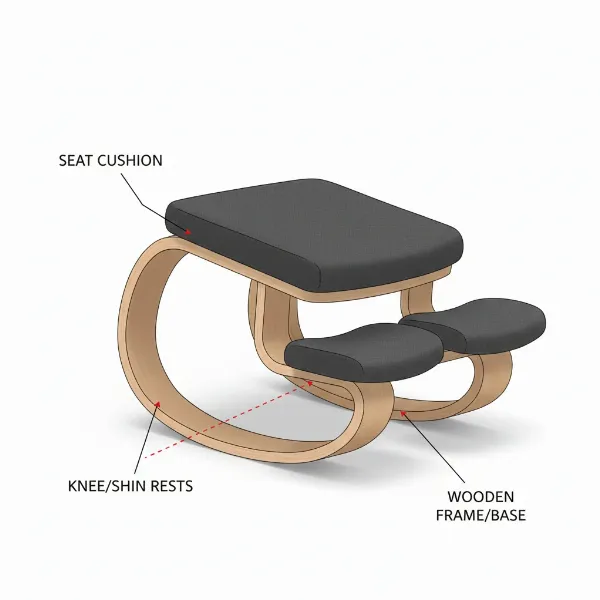 Illustration of key components of a kneeling chair for ergonomic sitting
2.1. Seat Cushion
The seat cushion is where a significant portion of your weight rests, so its design and material are paramount for comfort and proper weight distribution.
- Material and Comfort: High-quality kneeling chairs typically feature thick, high-density foam padding for both the seat and knee rests. This dense cushioning prevents “bottoming out” and distributes pressure effectively, ensuring comfort during longer periods of use. Materials like mesh, fabric, or durable vinyl upholstery offer varied levels of breathability, tactile feel, and ease of cleaning.
- Adjustability: Many kneeling chairs offer adjustable seat height and angle. This allows you to customize the chair to your body dimensions and desk height, ensuring your hips are at the optimal open angle. Some advanced models even provide independent adjustment for the seat.
2.2. Knee/Shin Rests
These padded supports are a defining feature of kneeling chairs, taking on a portion of your body weight and guiding your leg position.
- Padding: Just like the seat, adequate padding on the knee/shin rests is crucial to prevent discomfort and pressure points, especially for new users. Look for generous and resilient cushioning.
- Adjustability: While not universal, some kneeling chairs offer adjustable knee pad height or even individual knee pad adjustment. This can be beneficial for fine-tuning comfort and accommodating different leg lengths or preferences.
- Role in Weight Distribution: The knee/shin rests work in tandem with the seat to distribute your weight, offloading pressure from your lower back and promoting the characteristic open hip posture.
2.3. Frame and Base
The frame and base provide the structural integrity and stability of the kneeling chair, influencing its mobility and the type of movement it allows.
- Types: Kneeling chairs primarily come in three designs:
- Sled-based: These often feature a flexible wooden frame, allowing for a gentle rocking motion that encourages active sitting. They typically have individual knee pads. While providing excellent range of motion, they are generally less mobile for moving around your workspace.
- X-base with Casters: Characterized by a metal or wooden frame that forms an “X” shape, these chairs usually have wheels (casters) for mobility. Height adjustment is often achieved via a pneumatic lift or manual screw mechanism. They offer good sitting mobility but tend to be more rigid, limiting active movement of the legs.
- 5-star Base with Casters: Resembling a traditional office chair base with five wheels, these models offer the best mobility for moving across your workspace. They often include pneumatic height adjustment and may allow for seat swivel but are generally rigid in terms of leg movement.
- Materials: Frames can be crafted from sturdy wood, such as birch plywood, known for its flexibility and aesthetic appeal, or durable metal (steel) for enhanced strength and stability.
- Stability and Mobility: A robust frame and a stable base are non-negotiable for safety and long-term use. Casters are a plus for mobility if you need to roll around your desk, but ensure they are good quality and ideally lockable. Rocking bases encourage subtle, active movement, which can improve circulation.
2.4. Optional Backrest
While many traditional kneeling chairs are designed without a backrest to encourage core engagement, some models do incorporate one. A backrest can offer additional support, particularly for those transitioning to a kneeling chair or for longer work sessions when momentary lumbar support is desired. These are typically adjustable in height and depth to fit various users.
3. Comparison Table of Kneeling Chair Designs
Choosing the right kneeling chair often comes down to understanding the nuances of its structural design. Here’s a comparison of the primary types you’ll encounter:
| Feature | Sled-Based Designs (e.g., Varier Variable Balans) | X-Base with Casters (e.g., DRAGONN, Sleekform) | 5-Star Base with Casters (e.g., Jobri Jazzy) |
|---|---|---|---|
| Movement/Flexibility | High (rocking motion, flexible frame) | Low (rigid frame) | Low (rigid frame, seat swivel) |
| Mobility | Low (requires sliding/swiveling) | Medium (casters for rolling) | High (best for moving around a workspace) |
| Adjustability | Often limited to seat angle, some height | Seat height (pneumatic/manual), some knee pad | Seat height (pneumatic), some backrest |
| Comfort for Long Periods | Good, due to active movement, but may need breaks | Can be restrictive, best for shorter sessions | Good mobility, but fixed leg position can tire |
| Typical Materials | Wood (birch plywood) | Metal (steel), sometimes wood | Metal |
| Pros | Promotes active sitting, natural spinal curve | Good basic ergonomics, often budget-friendly | High workstation mobility, stable |
| Cons | Less mobile, can be higher priced | Less active movement, may feel restrictive | Fixed leg position, less core engagement |
4. Buying Guide: How to Choose the Perfect Kneeling Chair
Selecting the best kneeling chair is a personal journey, as what works for one person might not suit another. Consider these factors carefully to ensure your investment leads to lasting comfort and improved posture.
4.1. Identify Your Needs
Before diving into models and features, take a moment to assess your personal requirements and how a kneeling chair will integrate into your daily routine.
- Daily Usage Time: Are you planning to use the chair for short bursts of focused work (1-2 hours) or for longer periods? While rocking or adjustable kneeling chairs can extend comfort up to 4-6 hours, many experts recommend alternating with a traditional chair or taking regular breaks to prevent fatigue.
- Health Issues: If you have existing back, neck, or knee problems, consult with a healthcare professional before making a switch. Look for chairs that offer specific adjustments or features that address your particular concerns. For instance, those with knee sensitivity will need ample, high-quality knee padding.
- Budget: Kneeling chairs range significantly in price, from budget-friendly options under $100 to premium models costing hundreds or even over a thousand dollars. Define your budget early to narrow down your choices, but remember that investing in quality can prevent discomfort and lead to greater long-term value.
4.2. Essential Features
Certain features are non-negotiable for an effective and comfortable kneeling chair. Prioritize these when evaluating different models.
- Adjustability: The ability to adjust seat height and angle is critical for tailoring the chair to your body and desk. Some chairs also offer adjustable knee pad height and angle, providing even greater customization and comfort.
- Cushion Quality: This is paramount. Look for generous, thick, and high-density foam padding on both the seat and knee rests. Poor cushioning can lead to pressure points and discomfort, negating the chair’s ergonomic benefits.
- Durability and Stability: A sturdy frame, whether wood or metal, is essential. Check the chair’s weight capacity to ensure it can safely support you. A stable base prevents wobbling and provides a secure sitting experience.
- Mobility: If you need to move frequently around your workspace, opt for a chair with smooth-gliding casters. For active sitting that encourages subtle movement and circulation, sled-based rocking chairs are an excellent choice.
4.3. Material
The materials used in a kneeling chair affect not only its aesthetics but also its durability and comfort.
- Wood: Often found in sled-based designs, wood frames (like birch plywood) offer a natural aesthetic and a degree of flexibility that allows for rocking motions.
- Metal: Steel frames are common in X-base and 5-star base chairs, providing robust durability and stability.
- Upholstery: Consider breathable mesh for airflow, durable fabric for a soft feel, or easy-to-clean vinyl/leatherette for practicality. The upholstery should be robust and comfortable against the skin.
4.4. Reputable Brands
While the ergonomic chair market is vast, a few brands consistently stand out for their quality and innovation in kneeling chairs. These include:
- Varier: Known for pioneering kneeling chair designs like the Variable Balans and Thatsit Balans, offering high-end build quality, active sitting, and flexible wooden frames.
- DRAGONN by VIVO: A popular choice often praised for its balance of quality, comfort, and affordability, frequently featuring metal frames and adjustable height.
- Sleekform: Offers a range of kneeling chairs, including rocking models, often highlighting posture correction and breathable cushions.
- Jobri: Provides kneeling chairs with features like 5-star bases and pneumatic height adjustment, resembling more traditional office chairs while maintaining the kneeling posture.
4.5. Testing and Reviewing
The best way to know if a kneeling chair is right for you is to experience it firsthand.
- Visit a Store: If possible, try out different models in person. Sit in them for a while, adjust the settings, and notice how your body feels.
- Read Online Reviews: Dive into user testimonials and expert reviews. Pay attention to feedback regarding comfort for different body types, durability, and how the chair performs in various work scenarios. This can provide invaluable insights into real-world performance.
5. Popular Kneeling Chair Models
The market offers a diverse range of kneeling chairs, catering to various needs, preferences, and budgets. Here’s a glimpse at some popular categories and exemplary models that consistently receive high marks.
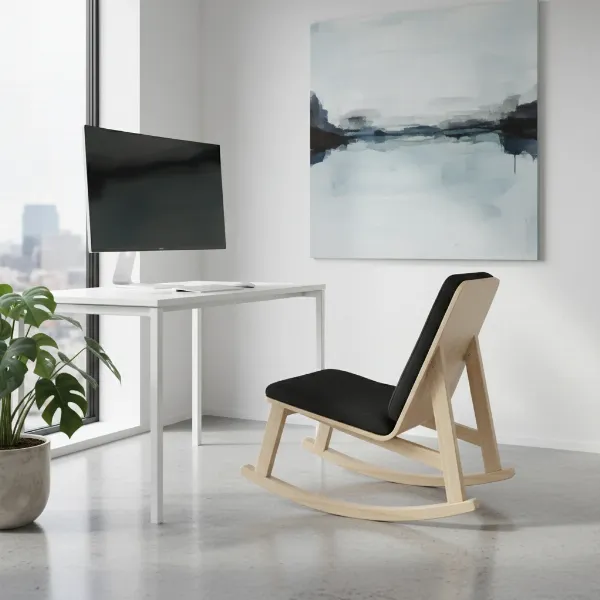 A modern ergonomic kneeling chair, the Varier Variable Balans, made of light wood with black cushions, promoting active sitting.
5.1. High-End Kneeling Chairs
For those prioritizing exceptional build quality, advanced adjustability, and enduring comfort, high-end kneeling chairs are a worthwhile investment. These models often feature premium materials and thoughtful designs that cater to prolonged use.
- Varier Thatsit Balans: Often cited as a top-tier option, this sled-based chair boasts Scandinavian craftsmanship, a flexible wooden frame, and, uniquely for a kneeling chair, an adjustable backrest. It offers extensive range of motion and independently adjustable knee pads, though it comes with a higher price tag.
- Varier Variable Balans: The original kneeling chair design, this model is renowned for its iconic rocking wooden frame that encourages active sitting and core engagement. It offers excellent flexibility and comfort, representing a slightly more basic yet equally effective alternative to the Thatsit.
5.2. Budget-Friendly Kneeling Chairs
You don’t need to break the bank to experience the benefits of a kneeling chair. Several models offer solid ergonomic support and good value, making them accessible entry points.
- DRAGONN by VIVO Ergonomic Kneeling Chair: A popular choice for beginners, this chair typically features a sturdy metal X-base with casters and thick padding. It offers height adjustability and good mobility, providing a comfortable experience for many users without the premium cost.
- Boss B248 Kneeling Stool: This budget-friendly option often includes pneumatic seat height adjustment and an X-base with casters. While it may have a more basic build quality, it offers a functional introduction to the kneeling posture.
5.3. Rocking Kneeling Chairs
Rocking kneeling chairs are designed to promote continuous, subtle movement, which can be beneficial for circulation and keeping muscles engaged throughout the day.
- Varier Variable Balans: As mentioned, this classic is a prime example of a rocking kneeling chair. Its flexible wooden runners allow for gentle swaying, making it a favorite for those who enjoy active sitting and find stillness uncomfortable.
- Sleekform Austin Rocking Kneeling Chair: This model offers a similar rocking experience, often focusing on posture correction and comfortable padding. The rocking motion helps alleviate stiffness and keeps you subtly engaged, making it a good choice for dynamic work.
Conclusion
Kneeling chairs represent a distinctive and valuable alternative to traditional sitting, offering a unique approach to ergonomic support. By encouraging an open hip angle, promoting natural spinal alignment, and engaging your core muscles, they can significantly reduce back and neck pain while boosting your overall productivity. While they may require an adjustment period and are often best used in rotation with other seating options, the benefits of active sitting and improved posture are undeniable.
Whether you opt for a high-end, flexible wooden rocker or a more budget-friendly model with casters, prioritizing adjustability, cushion quality, and overall stability is key. With the right kneeling chair, you’re not just buying furniture; you’re investing in a healthier, more dynamic way to work and live. So, are you ready to embrace this ergonomic shift and transform your sitting experience?
Frequently Asked Questions
Are kneeling chairs truly good for you?
Yes, for many individuals, kneeling chairs are beneficial. They promote an open hip angle and engage core muscles, which can help maintain the spine’s natural curve and reduce lower back strain. However, they are not a one-size-fits-all solution and are often best used in moderation or rotated with other ergonomic seating to prevent localized pressure or fatigue.
Can you use a kneeling chair all day?
While some users find prolonged comfort, it’s generally recommended to use kneeling chairs for sessions of 1-4 hours, particularly when starting. Rocking or highly adjustable models can extend comfortable usage. Alternating a kneeling chair with a traditional Ergonomic Chair or taking regular movement breaks is often advised to distribute pressure and prevent stiffness.
What’s the ideal angle for a kneeling chair?
The ideal angle for a kneeling chair typically positions your hips at a wider angle than 90 degrees, often around 60-70 degrees at the knee bend, or an open hip angle of 110-120 degrees relative to your torso. Many chairs feature adjustable seat and knee pad angles to help you find the most comfortable and ergonomically beneficial position for your body.
Do kneeling chairs help with back pain?
Many users report that kneeling chairs help alleviate lower back pain. By tilting the pelvis forward, they reduce compression on the lumbar spine and encourage the natural curvature of the back. This can lessen strain on back muscles. However, individual results vary, and consulting a healthcare professional for persistent pain is always recommended.