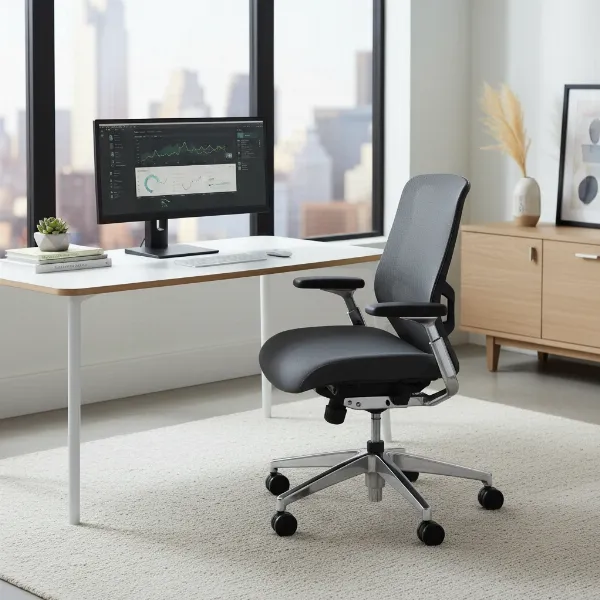
The world of ergonomic chairs can be bewildering. On one side, you have the titans: Herman Miller, Steelcase, Haworth, with price tags that often make eyes water. On the other, a vast sea of “no-name” or budget-friendly ergonomic chairs floods online marketplaces, promising similar benefits for a fraction of the cost. This often leaves consumers wondering: are these affordable alternatives truly ergonomic, or are they just imposters trading on a buzzword? Is there really a significant difference, or are they all essentially the same chair with a different label? We’re here to cut through the confusion and uncover the truth about these ubiquitous chairs, helping you make an informed decision for your health and wallet.
1. What is an Ergonomic Chair?
An ergonomic chair is specifically designed to support the human body’s natural posture, promoting well-being and productivity, especially during prolonged sitting periods. Unlike standard office chairs, ergonomic models offer extensive adjustability to customize the fit for individual users.
1.1. Definition of Ergonomic Chair
|
Our Picks for the Best Ergonomic Chair in 2026
As an Amazon Associate I earn from qualifying purchases.
|
||
| Num | Product | Action |
|---|---|---|
| 1 | PatioMage Ergonomic Office Chair, Big and Tall Desk Chair with Adjustable Lumbar Support & Seat Depth, High Back Computer Chair, Swivel Mesh Chairs with Wheels for Home Office, Black |

|
| 2 | Marsail Ergonomic Office Chair: Office Desk Chair with High Back Mesh and Adjustable Lumbar Support Rolling Work Swivel Task Chairs with Wheel 3D Armrests and Headrest |
|
| 3 | TRALT Office Chair - Ergonomic Desk Chair with Adjustable Lumbar Support, Mesh Computer Chair, Executive Chairs for Home Office Comfortable Lumbar Support (Black) |
|
| 4 | Ergonomic Office Chair with Footrest - Adjustable Lumbar Support & Headrest, 90-160° Reclining Mesh Back Computer Chair - Home Office/Gaming, 350lbs Capacity (SGS Certified) |
|
| 5 | Ergonomic Office Chair with Footrest - Adjustable Lumbar Support & Headrest, 90-160° Reclining Mesh Back Computer Chair - Home Office/Gaming, 350lbs Capacity (SGS Certified) |
|
| 6 | Fizzin Ergonomic Office Chair, 400 LBS Computer Chairs with Adjustable Lumbar Support, Breathable Mesh Desk Chair Ergonomic with Thickened Cushion, Comfy Home Office Desk Chair (Black) |
|
| 7 | Sweetcrispy Office Computer Desk Chair, Ergonomic High-Back Mesh Rolling Work Chairs with Wheels and Adjustable Headrests, Comfortable Lumbar Support, Comfy Flip-up Arms for Home, Bedroom, Study,Black |
|
| 8 | Marsail Ergonomic Office Chair Ergonomic Gaming Chair with Lumbar Support, 2D Headrest, Adjustable Armrests, Contoured Seat Cushion, Computer Desk Chair with Wheels for Home and Office |
|
| 9 | TRALT Office Chair Ergonomic Desk Chair, 330 LBS Home Mesh Office Desk Chairs with Wheels, Comfortable Gaming Chair, High Back Office Chair for Long Hours (Black) |
|
| 10 | Ergonomic Office Chair, Mesh Seat Cushion with 3D Armrests and 3D Headrest, Adjustable Lumbar Support with 90-120° Rocking Function, SGS Class 4 Gas Clylinder, Black |
|
An ergonomic chair is engineered using principles of ergonomics, a science focused on optimizing the interaction between people and their work environment. These chairs are characterized by their highly adjustable components, which allow users to fine-tune the chair to their unique body dimensions and preferences, thereby supporting proper spinal alignment and reducing physical strain.
1.2. Benefits of Ergonomic Chair
Investing in a true ergonomic chair offers a multitude of benefits that extend beyond simple comfort, impacting your long-term health and daily performance.
- Posture Improvement: Ergonomic chairs are meticulously designed to encourage and maintain the natural S-curve of your spine. Features like adjustable lumbar support ensure your lower back is properly cradled, preventing slouching and promoting an upright, healthy posture, which is crucial for preventing chronic pain.
- Back and Neck Pain Reduction: By providing targeted support and encouraging correct posture, these chairs significantly alleviate pressure on your spine, neck, and shoulders. This can lead to a substantial reduction in the aches and pains commonly associated with prolonged sitting in ill-fitting chairs, making long workdays far more tolerable.
- Increased Productivity: When you’re comfortable and free from discomfort, your focus naturally improves. An ergonomic chair reduces physical distractions and fatigue, allowing you to concentrate better on tasks and sustain higher levels of energy throughout the day, ultimately boosting your overall work output.
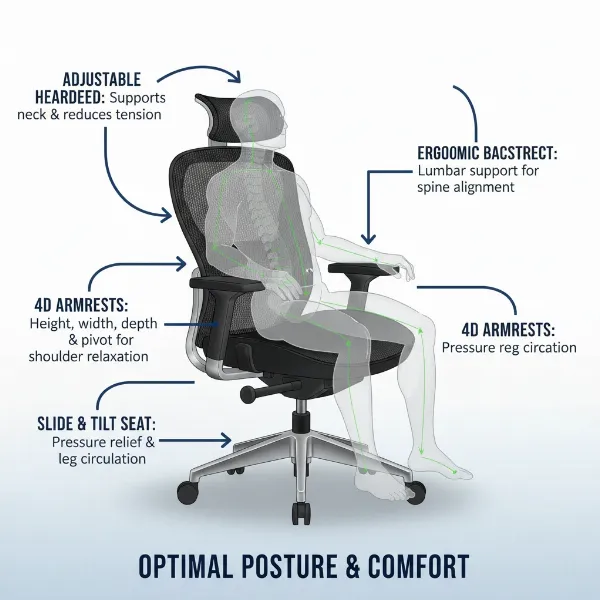 An ergonomic office chair showing its various adjustable parts, highlighting posture improvement and comfort for productivity.
2. Key Components of an Ergonomic Chair
Understanding the essential components of an ergonomic chair is vital for discerning its quality and functionality, especially when comparing different models. Each part plays a crucial role in providing comprehensive support and adjustability.
2.1. Headrest
The headrest of an ergonomic chair is designed to support the head and neck, reducing strain on your upper spine. Ideally, it should be adjustable in height and angle to properly cradle your head and neck, especially when reclining or taking short breaks. Many premium ergonomic chairs integrate headrests seamlessly, while some traditional high-end models opt out, sometimes requiring aftermarket additions.
2.2. Backrest
The backrest is a cornerstone of ergonomic support, shaping how your entire back is supported. Its design should conform to the natural curvature of your spine, providing consistent contact and promoting healthy alignment.
- Lumbar Support: This is arguably one of the most critical features of an ergonomic backrest. Lumbar support cradles the natural inward curve of your lower back, preventing slouching and reducing pressure on the lumbar discs. In quality ergonomic chairs, lumbar support is often adjustable in height and depth, allowing you to fine-tune it for personalized comfort and effective pain prevention.
2.3. Armrests
Armrests are more than just a place to rest your arms; they alleviate tension in your shoulders and upper back. Proper armrest usage ensures your shoulders are relaxed and your forearms are supported, maintaining a neutral posture while typing or using a mouse.
- Height and Angle Adjustment: The best ergonomic armrests offer multi-directional adjustments (2D, 3D, or 4D), allowing you to adjust their height, depth, width, and pivot angle. This adaptability ensures your arms can rest comfortably at your desk height, reducing strain on your wrists and shoulders.
2.4. Seat Cushion
The seat cushion is where your body makes primary contact with the chair, making its material and design critical for comfort and circulation. A well-designed seat prevents pressure points and numbness during long hours of sitting.
- Material and Comfort: High-quality ergonomic chairs often feature dense, resilient foam or breathable mesh that distributes weight evenly and prevents “bottoming out.” Materials like multi-stretch polyurethane covers or advanced mesh enhance breathability and comfort, crucial for long sitting sessions. Cheaper chairs often use foam that flattens quickly or rigid seats that cause discomfort.
2.5. Chair Base
The chair base provides stability and mobility, ensuring the chair can safely support your weight and move smoothly across different surfaces.
- Wheels and Stability: A sturdy, five-star base made from durable materials like aluminum or heavy-duty plastic is standard for quality ergonomic chairs. High-quality casters (wheels) allow for effortless movement without damaging floors, contributing to overall stability and ease of use.
3. Comparison Table of Ergonomic Chairs
When navigating the vast market of ergonomic chairs, it’s essential to understand that not all chairs are created equal. Here’s a general comparison between high-end branded ergonomic chairs and many “no-name” or budget options, focusing on key aspects.
| Feature | High-End Branded Ergonomic Chairs (e.g., Herman Miller, Steelcase, Haworth) | “No-Name” / Budget Ergonomic Chairs (e.g., many Amazon options) |
|---|---|---|
| Price Range | $800 – $2000+ | $100 – $500 |
| Build Quality & Materials | Premium, durable materials (e.g., high-grade aluminum, steel, advanced mesh, high-density foam). Built to last 10-15+ years. Excellent fit and finish. | Often use more plastic components, lower-grade mesh, and less durable foam that may flatten quickly. Construction can feel less solid, with noticeable inconsistencies. May last only 2-5 years. |
| Adjustability | Extensive, precise, multi-directional adjustments (4D armrests, dynamic lumbar support, seat depth, tilt lock, recline tension). Designed to fit 95% of the population ergonomically. | Limited adjustments, often basic height and tilt. Lumbar support may be static or less effective. Armrests may be 2D or fixed. Less ability to truly customize to individual body types. |
| Ergonomic Design | Backed by extensive R&D and ergonomic science. Focus on long-term health, dynamic support, and optimal posture through sophisticated mechanisms. | May incorporate “ergonomic” features cosmetically without deep research. Often lack the nuanced support and movement designed for prolonged use. Claims can be misleading. |
| Comfort & Support | Designed for superior comfort over many hours, with materials that maintain integrity. Adaptable support that moves with you. | Comfort can vary wildly; some may feel fine initially but degrade quickly. Can have uncomfortable pressure points or insufficient support, especially for long sessions. |
| Warranty | Typically 10-12 years, covering most components. | Varies widely, often 1-5 years, sometimes with limited coverage. |
| Brand Reputation | Established brands with a track record of innovation and customer satisfaction. | Often lesser-known brands, sometimes rebranded versions of the same core product. Reputation can be inconsistent, with many online reviews potentially unreliable. |
“The biggest difference between an office chair vs. ergonomic chair is the primary purpose they serve. Regular office chairs are designed for comfort over a certain amount of time, but lack the ability to promote proper posture and maximize productivity like ergonomic chairs do.”
4. Buying Guide for Ergonomic Chairs
Choosing the right ergonomic chair is a significant investment in your health and productivity. Don’t rush the decision; instead, approach it systematically to ensure you find the perfect fit for your unique needs.
4.1. Identify Your Needs
Before you even start looking at chairs, take a moment to assess how you’ll be using it and what personal considerations you have.
- Daily Usage Time: How many hours a day will you spend in the chair? If it’s for occasional use, a simpler chair might suffice. However, for 6+ hours daily, robust adjustability and durability become paramount for long-term comfort and health.
- Health Issues: Do you suffer from back pain, neck strain, sciatica, or other discomforts? Prioritize chairs with specific features that address these issues, such as enhanced lumbar support or adjustable headrests to provide targeted relief.
- Budget: While you can find decent budget options, understand that significant ergonomic benefits often come with a higher price tag. Set a realistic budget, but be prepared to invest more if long-term health and comfort are top priorities. “Spending more on the right office chair is likely to lead to much better comfort overall.”
4.2. Essential Features
Certain features are non-negotiable for a truly ergonomic experience. Look for these core adjustments to ensure the chair can adapt to your body.
- Height Adjustment: The ability to easily adjust the seat height is fundamental. Your feet should rest flat on the floor, or on a footrest, with your knees at a 90-degree angle, ensuring proper circulation and hip alignment.
- Backrest Adjustment: A good ergonomic backrest should allow you to adjust its angle and tension, letting you recline comfortably while maintaining lumbar support. Some chairs also offer depth adjustment for the backrest itself.
- Lumbar Support: As discussed, adjustable lumbar support is crucial. It should move both vertically and horizontally to align precisely with the natural curve of your lower back, offering customized support that prevents slouching.
- Adjustable Armrests: Look for armrests that can adjust in height, depth, and pivot (3D or 4D). This flexibility allows you to keep your elbows at a 90-degree angle, reducing strain on your shoulders and wrists, especially when typing.
4.3. Material
The material of your ergonomic chair affects comfort, breathability, and durability. Choose one that suits your climate and preference.
- Mesh: Excellent for breathability, keeping you cool during long hours. It often provides flexible, dynamic support. However, lower-quality mesh can stretch out or feel less supportive over time.
- Leather: Offers a premium look and feel, and is generally durable. It can, however, trap heat and may not be as breathable as mesh.
- Fabric: A common choice, fabric chairs offer a good balance of comfort and breathability. Quality fabric can be very durable, but some may not have the longevity of high-end mesh or leather.
4.4. Reputable Brands
While the article focuses on “no-name” chairs, understanding the benchmarks set by reputable brands helps contextualize quality.
- Herman Miller: Known for iconic designs like the Aeron and Embody, Herman Miller chairs are celebrated for their innovative ergonomics, high-quality materials, and exceptional durability, often backed by a 12-year warranty.
- Steelcase: Another industry leader, Steelcase offers chairs like the Leap and Gesture, which are renowned for their advanced adjustability, adaptive recline mechanisms, and robust build quality, designed for dynamic sitting.
- Haworth: With models like the Fern, Haworth chairs combine sophisticated design with extensive ergonomic features, focusing on natural movement and personalized comfort through flexible backrests and comprehensive adjustments.
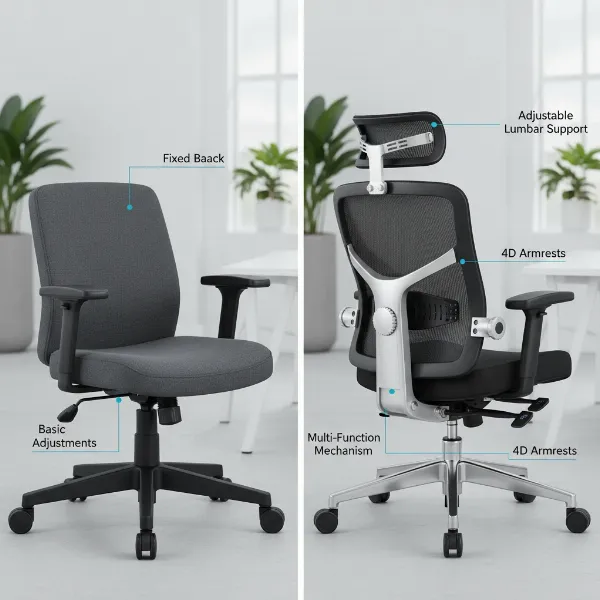 A side-by-side comparison illustrating key components and design philosophies of a generic chair versus a premium ergonomic chair.
4.5. Testing and Trying
Never underestimate the importance of personal experience when choosing an ergonomic chair. What works for one person may not work for another.
- Visit a Store: If possible, physically visit an office furniture showroom to sit in various models. This allows you to feel the materials, test the adjustments, and assess how the chair supports your body firsthand.
- Read Online Reviews: While some reviews for budget chairs can be unreliable, reputable review sites (like BTOD.com or professional tech sites) offer in-depth, unbiased assessments. Look for reviews that discuss long-term comfort, durability, and the effectiveness of adjustable features. Be wary of chairs with only overwhelmingly positive, short reviews.
5. Popular Ergonomic Chair Models
The market offers a spectrum of ergonomic chairs, from top-tier investments to surprisingly capable budget finds, catering to diverse needs and preferences.
5.1. High-End Ergonomic Chairs
These chairs represent the pinnacle of ergonomic design, offering unparalleled adjustability, superior materials, and exceptional durability. They are investments designed to last decades, often coming with generous warranties. Examples include the Herman Miller Aeron, Steelcase Leap, and Haworth Fern. Their cost reflects extensive research and development, high-quality components, and precision manufacturing.
5.2. Budget-Friendly Ergonomic Chairs
For those with a tighter budget, several chairs aim to deliver essential ergonomic features without the premium price tag. While they may not match the longevity or extensive adjustability of high-end models, some can provide decent support for their cost. Chairs like the Sihoo M18 and certain Colamy models (e.g., Colamy Ergonomic Chair) have received positive mentions for offering good value under $300, focusing on core adjustability and acceptable comfort. However, buyers should be aware of potential trade-offs in material quality and long-term durability.
5.3. Ergonomic Chairs for Gamers
Gaming chairs have evolved to incorporate ergonomic principles, recognizing that gamers spend long hours seated. While many gaming chairs prioritize aesthetics, reputable brands now offer models with enhanced lumbar support, adjustable armrests, and recline functions tailored for gaming posture. Some Ergonomic Chairs from traditional brands also offer gaming