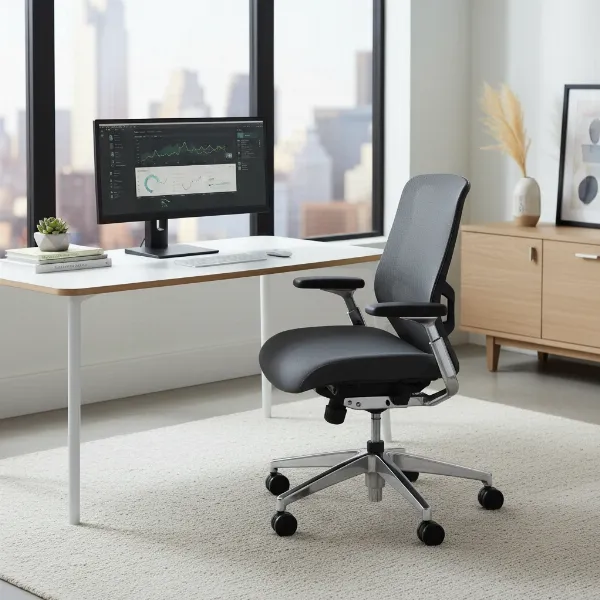
Spending extended hours at your desk can take a toll on your body, making the choice of an ergonomic office chair crucial for your comfort and long-term health. The seat material is a fundamental factor, often coming down to a debate between breathable mesh and supportive foam. Which one truly offers the best experience for those marathon work sessions? Understanding the unique characteristics of each can help you make an informed decision, transforming your workday from a struggle against discomfort into a productive and pain-free experience.
1. What is an Ergonomic Chair?
An ergonomic chair is specifically designed to provide optimal support, comfort, and good posture while sitting for prolonged periods. Its features are engineered to adapt to your body’s natural curves, promoting a healthy seated position and minimizing strain on your musculoskeletal system.
1.1. Definition of Ergonomic Chair
|
Our Picks for the Best Ergonomic Chair in 2026
As an Amazon Associate I earn from qualifying purchases.
|
||
| Num | Product | Action |
|---|---|---|
| 1 | Ergonomic Office Chair, Mesh Seat Cushion with 3D Armrests and 3D Headrest, Adjustable Lumbar Support with 90-120° Rocking Function, SGS Class 4 Gas Clylinder, Black |

|
| 2 | TRALT Office Chair - Ergonomic Desk Chair with Adjustable Lumbar Support, Mesh Computer Chair, Executive Chairs for Home Office Comfortable Lumbar Support (Black) |
|
| 3 | Sweetcrispy Office Computer Desk Chair, Ergonomic High-Back Mesh Rolling Work Chairs with Wheels and Adjustable Headrests, Comfortable Lumbar Support, Comfy Flip-up Arms for Home, Bedroom, Study,Black |
|
| 4 | TRALT Office Chair Ergonomic Desk Chair, 330 LBS Home Mesh Office Desk Chairs with Wheels, Comfortable Gaming Chair, High Back Office Chair for Long Hours (Black) |
|
| 5 | Marsail Ergonomic Office Chair: Office Desk Chair with High Back Mesh and Adjustable Lumbar Support Rolling Work Swivel Task Chairs with Wheel 3D Armrests and Headrest |
|
| 6 | Fizzin Ergonomic Office Chair, 400 LBS Computer Chairs with Adjustable Lumbar Support, Breathable Mesh Desk Chair Ergonomic with Thickened Cushion, Comfy Home Office Desk Chair (Black) |
|
| 7 | Marsail Ergonomic Office Chair Ergonomic Gaming Chair with Lumbar Support, 2D Headrest, Adjustable Armrests, Contoured Seat Cushion, Computer Desk Chair with Wheels for Home and Office |
|
| 8 | Ergonomic Office Chair with Footrest - Adjustable Lumbar Support & Headrest, 90-160° Reclining Mesh Back Computer Chair - Home Office/Gaming, 350lbs Capacity (SGS Certified) |
|
| 9 | PatioMage Ergonomic Office Chair, Big and Tall Desk Chair with Adjustable Lumbar Support & Seat Depth, High Back Computer Chair, Swivel Mesh Chairs with Wheels for Home Office, Black |
|
| 10 | Ergonomic Office Chair with Footrest - Adjustable Lumbar Support & Headrest, 90-160° Reclining Mesh Back Computer Chair - Home Office/Gaming, 350lbs Capacity (SGS Certified) |
|
An ergonomic chair is more than just a seat; it’s a tool crafted with human factors in mind, aiming to improve your well-being at work. These chairs incorporate adjustable components that allow users to customize their seating experience to fit their individual body shape and work habits, thus supporting a neutral posture. The goal is to reduce physical stress and fatigue, which are common issues associated with static postures and poorly designed furniture.
1.2. Benefits of Ergonomic Chair
Investing in an ergonomic chair can yield significant advantages for your health and productivity, especially if your job requires you to be seated for many hours a day.
- Posture Improvement: Ergonomic chairs are built to support the natural S-curve of your spine, encouraging proper alignment of your back, neck, and shoulders. This design helps prevent slouching and the development of poor posture habits that can lead to chronic pain.
- Back and Neck Pain Reduction: With features like adjustable lumbar support, headrests, and contoured backrests, ergonomic chairs effectively distribute your body weight and alleviate pressure on vulnerable areas. This targeted support can significantly reduce existing back and neck pain and prevent new issues from arising.
- Increased Productivity: When you’re comfortable and free from discomfort, your focus and concentration naturally improve. An ergonomic chair minimizes distractions caused by pain or stiffness, allowing you to maintain higher energy levels and productivity throughout your workday.
2. Key Components of an Ergonomic Chair
While seat material is vital, the overall effectiveness of an ergonomic chair also depends on its other adjustable components, all working in harmony to support your body.
2.1. Headrest
An adjustable headrest provides crucial support for your head and neck, especially during recline or when taking short breaks. It helps maintain the natural curve of your cervical spine, preventing tension and strain in your neck and shoulders. A good headrest should allow you to adjust its height and angle to perfectly cradle your head.
2.2. Backrest
The backrest of an ergonomic chair is fundamental for spinal health. It should be tall enough to support your entire back and incorporate a natural curve that mimics your spine. Many ergonomic chairs offer dynamic backrests that move with you, providing continuous support even as you shift positions.
Lumbar Support
Integrated into the backrest, lumbar support specifically targets the lower back, filling the natural inward curve of your spine. This feature helps maintain good posture, reduces stress on the lumbar discs, and alleviates lower back pain. High-quality ergonomic chairs often include adjustable lumbar support, allowing you to fine-tune its depth and height.
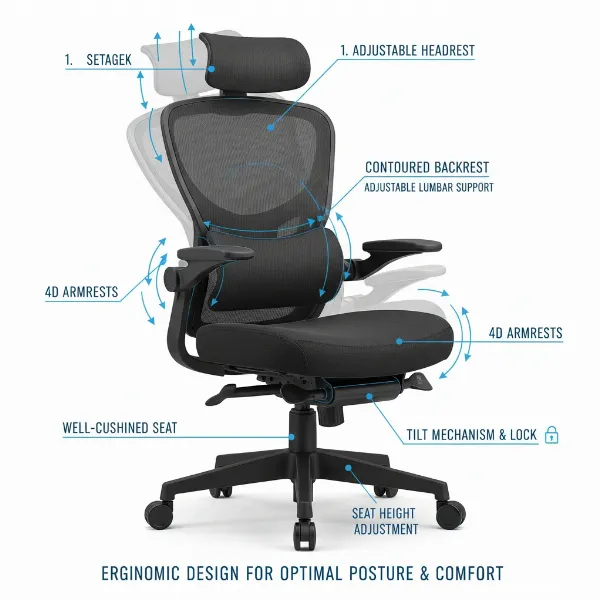 Diagram of an ergonomic office chair highlighting adjustable headrest, backrest, lumbar support, armrests, and seat cushion.
2.3. Armrests
Armrests play a crucial role in supporting your arms and shoulders, reducing tension that can build up from typing or using a mouse.
Height and Angle Adjustment
Optimal armrests should be adjustable in height, depth, and pivot to allow your forearms to rest comfortably, parallel to the floor, with your elbows forming an open angle (around 90-100 degrees). This prevents shrugging of the shoulders and promotes relaxation in the upper body.
2.4. Seat Cushion
The seat cushion is where the mesh vs. foam debate truly comes into play, as it directly impacts pressure distribution and comfort during prolonged sitting.
Material and Comfort
The material and construction of the seat cushion are critical for long-term comfort. It should evenly distribute your weight, reduce pressure points, and prevent numbness or discomfort in your hips and thighs. The choice between mesh and foam largely dictates the feel, breathability, and support of the seat.
2.5. Chair Base
The chair base provides stability and mobility, supporting the entire structure of the chair and your body weight.
Wheels and Stability
A sturdy five-star base with smooth-rolling casters ensures stability and easy movement across various floor surfaces. Quality wheels allow you to glide effortlessly, reducing the need to strain your body to reach items on your desk.
3. Mesh vs. Foam Seats: The Ultimate Showdown for Long Work Days
When it comes to the seat material, both mesh and foam offer distinct advantages and disadvantages that can influence your comfort during long workdays. Let’s delve into a detailed comparison.
Mesh Seats
Mesh seats, often made from woven synthetic fibers like polyester or nylon, are stretched taut over a frame, creating a suspension-like surface rather than thick padding.
Pros:
- Superior Breathability: The most celebrated advantage of mesh is its excellent airflow. The porous structure allows air to circulate freely, preventing heat and moisture build-up, which is ideal for warm climates or individuals prone to sweating. This can keep you cool and dry, even during extended sitting.
- Lighter Feel & Modern Aesthetic: Mesh chairs tend to have a lighter, more minimalist appearance, which can make a workspace feel more open and modern.
- Firm, Responsive Support: Mesh offers a springier, more responsive feel, suspending you in a generally more upright position. High-quality mesh conforms to your body’s contours, distributing weight evenly and reducing pressure points.
- Easy to Clean: Spills are less likely to soak into mesh, making them relatively easy to wipe clean with soap and water.
- Durability: High-quality mesh is resistant to wear and tear and sagging over time, offering a long lifespan.
Cons:
- Less Insulation: In colder environments, mesh chairs can feel less warm as they don’t retain heat like foam, potentially requiring extra layers for comfort.
- Potential for Sagging (Lower Quality): Cheap or low-quality mesh can stretch out or sag over time, leading to reduced support.
- Less Padding: For those who prefer a very soft, “spongey” seating experience, mesh might feel too firm.
- Structural Frame: Mesh requires a rigid frame, which can sometimes lead to harder edges if not well-designed.
Foam Seats
Foam seats typically consist of high-density polyurethane foam or memory foam, often upholstered with fabric or leather.
Pros:
- Plush Comfort & Cushioning: Foam seats offer a soft, cushioned, and plush feel, providing a “hugging” sensation. This makes them ideal for relaxed postures and users who prefer to sink into their seat.
- Excellent Pressure Distribution: Especially high-density or memory foam, these materials adapt to your body shape, distributing weight evenly and relieving pressure points on the hips and thighs. This can be particularly beneficial for those experiencing discomfort from prolonged sitting.
- Insulation: Foam retains heat, making it a cozier option for cold office environments or during winter months.
- More Design Versatility: Foam can be cut into various shapes, allowing for diverse ergonomic contours without needing an external frame for tension.
- Quieter Operation: Being solid, cushioned materials, foam seats are generally quieter than mesh seats, which can sometimes creak.
Cons:
- Heat Retention (Less Breathable): The primary drawback of foam is its tendency to retain heat, which can lead to sweating and discomfort in warm climates or stuffy rooms.
- Compression Over Time: Lower-density foam can compress and lose its shape and supportive qualities over time, leading to a flat, uncomfortable cushion. High-density or cold-cure foam mitigates this significantly.
- Harder to Clean & Odor Retention: Spills can soak into foam, making them harder to clean and potentially leading to unsavory odors if not dried properly. Fabric upholstery can also trap allergens.
- Heavier: Foam seats are generally heavier than mesh chairs, making them less portable.
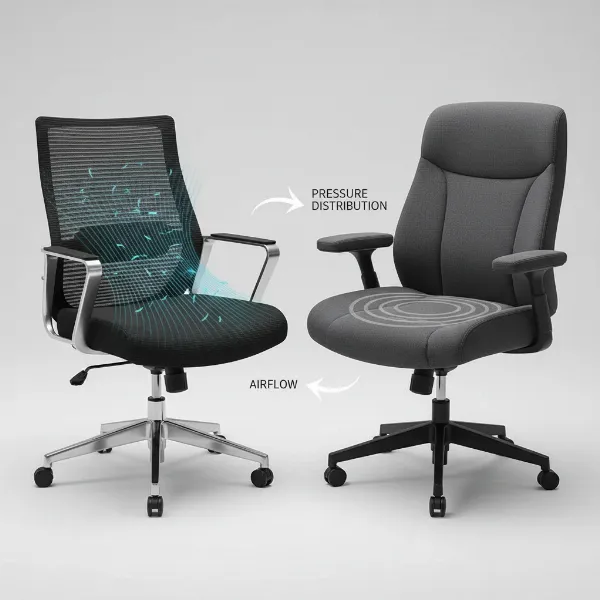 Side-by-side comparison of a mesh office chair and a foam office chair, highlighting breathability vs. cushioning.
Comparison at a Glance
| Feature | Mesh Seat | Foam Seat |
|---|---|---|
| Breathability | Excellent (prevents heat/sweat build-up) | Poor (retains heat) |
| Comfort Feel | Firmer, springy, suspended, responsive | Softer, plush, cushioned, “hugging” |
| Support | Conforms to body, promotes upright posture | Contours to body, excellent pressure distribution |
| Durability | High-quality resists sagging, easy to clean | High-density resists compression, can degrade if low quality |
| Temperature | Cool in hot climates, less insulated in cold | Warm in cold climates, hot in warm climates |
| Maintenance | Easy to clean, dries quickly | Harder to clean, can absorb odors/stains |
| Aesthetic | Modern, minimalist, airy | Solid, traditional, can look premium |
| Noise | Can creak over time (rare with quality chairs) | Generally quieter |
4. Buying Guide for Ergonomic Chairs
Choosing the right ergonomic chair, especially when considering seat material, requires careful thought about your individual needs.
4.1. Identify Your Needs
Before you start shopping, assess your personal requirements.
- Daily Usage Time: If you spend 8+ hours a day in your chair, prioritizing durability, consistent support, and pressure relief is paramount.
- Health Issues: Individuals with specific back or neck conditions may benefit more from particular features, such as enhanced lumbar support or memory foam for pressure relief.
- Budget: Ergonomic chairs vary widely in price. Determine a realistic budget, understanding that higher quality materials and adjustability often come with a higher cost.
4.2. Essential Features
Beyond the seat material, look for these critical adjustment features in any ergonomic chair.
- Height Adjustment: The seat height should allow your feet to rest flat on the floor (or a footrest) with your knees at roughly a 90-degree angle.
- Backrest Adjustment: A backrest that reclines, tilts, and locks into various positions is crucial for dynamic sitting and support.
- Lumbar Support: Adjustable lumbar support, both in height and depth, ensures your lower back is adequately cushioned and aligned.
- Adjustable Armrests: Armrests that adjust in height, depth, and pivot (3D or 4D) are vital for relieving shoulder and neck strain.
4.3. Material
The material choice extends beyond the seat to the entire chair, impacting aesthetics and performance.
- Mesh: Excellent for breathability and a lighter feel. Often used for backrests, but also for seats.
- Leather: Offers a premium look and feel, but can be less breathable and hotter than mesh.
- Fabric: Can provide a comfortable, soft surface with good insulation, often concealing foam padding.
4.4. Reputable Brands
Focus on brands known for their commitment to ergonomic design, quality materials, and durable construction.
- Herman Miller: Known for iconic designs like the Aeron, often featuring advanced mesh technology.
- Steelcase: Offers robust and highly adjustable chairs with a focus on long-term support and various material options.
- Haworth: Provides innovative ergonomic solutions with a range of sophisticated designs.
4.5. Testing and Trying
The best way to know if a chair is right for you is to experience it firsthand.
- Visit a Store: If possible, sit in prospective chairs for at least 15-20 minutes to assess comfort, support, and adjustability.
- Read Online Reviews: Consult expert and user reviews to gain insights into long-term comfort, durability, and common issues. Pay attention to reviews from people with similar body types and work habits.
5. Popular Ergonomic Chair Models
The market offers a vast array of ergonomic chairs, catering to different budgets and needs.
5.1. High-End Ergonomic Chairs
These chairs represent the pinnacle of ergonomic design, often incorporating advanced materials and extensive adjustability for unparalleled comfort during long workdays. Brands like Herman Miller and Steelcase are prominent here, frequently featuring high-performance mesh for backrests and sometimes seats, or meticulously sculpted high-density foam.
5.2. Budget-Friendly Ergonomic Chairs
For those on a tighter budget, many manufacturers offer ergonomic chairs that still provide essential adjustability and supportive designs. While materials might be simpler, it’s possible to find comfortable options with decent foam or mesh, focusing on core ergonomic benefits like lumbar support and adjustable height.
5.3. Ergonomic Chairs for Gamers
Gaming chairs often feature bold designs and a focus on contoured support for various postures. Many popular gaming chairs utilize high-density, cold-cure foam for their seats and backrests, providing a “hugging” sensation and robust support during intense gaming sessions. Some models also incorporate mesh for breathability in the backrest. A study by the University of California, Berkeley, even indicated that foam chairs might lead to improved performance in computer-based tasks compared to mesh chairs for long bouts of sitting.
Key Considerations for Your Choice
The debate between mesh and foam seats for ergonomic chairs is not about one being definitively superior to the other; rather, it hinges on your personal preferences, working environment, and specific comfort needs. While mesh excels in breathability and a firm, responsive feel, foam offers plush cushioning and robust pressure distribution. For long workdays, the trend from some studies suggests that well-designed foam seats should not be underestimated for their supportive qualities and ability to reduce seat pan pressure. Ultimately, the best choice is a chair that blends advanced ergonomics with a seat material that keeps you comfortable, supported, and focused, allowing you to conquer your longest workdays with ease.
What elements are most important to your long-term sitting comfort?
Frequently Asked Questions
Which seat material is better for hot climates, mesh or foam?
Mesh seats are generally better for hot and humid climates due to their superior breathability. The woven material allows for excellent airflow, preventing heat and sweat from accumulating, which helps keep you cool and comfortable during prolonged sitting. Foam, by contrast, tends to retain heat.
Does foam or mesh provide more support for prolonged sitting?
While mesh offers responsive support, studies indicate that high-density or molded foam seats are associated with more consistent support and better pressure distribution for long bouts of sitting. A UC Berkeley study found trends suggesting foam chairs felt more supportive and had lower seat pan pressure measures over extended periods.
Can mesh chairs sag over time?
Lower-quality mesh can sag or stretch out over time, leading to reduced support. However, high-quality, taut mesh used in premium ergonomic chairs is designed to be highly durable and resistant to sagging, maintaining its supportive properties for many years. Always prioritize quality when considering mesh.
Is it possible to have a chair with both mesh and foam?
Yes, many Ergonomic Chairs offer a hybrid design, commonly featuring a mesh backrest for breathability and a foam seat for cushioning and pressure relief. This combination allows users to benefit from the cooling properties of mesh on their back while enjoying the plush comfort and support of foam for their seat.
How do I maintain and clean mesh and foam seats?
Mesh seats are relatively easy to clean; spills tend to stay on the surface and can often be wiped away with a damp cloth and mild soap, drying quickly. Foam seats, especially those covered in fabric, are more prone to absorbing spills and stains, which can be harder to clean and may lead to odors if not dried thoroughly. Regular vacuuming can help keep both types of seats clean.